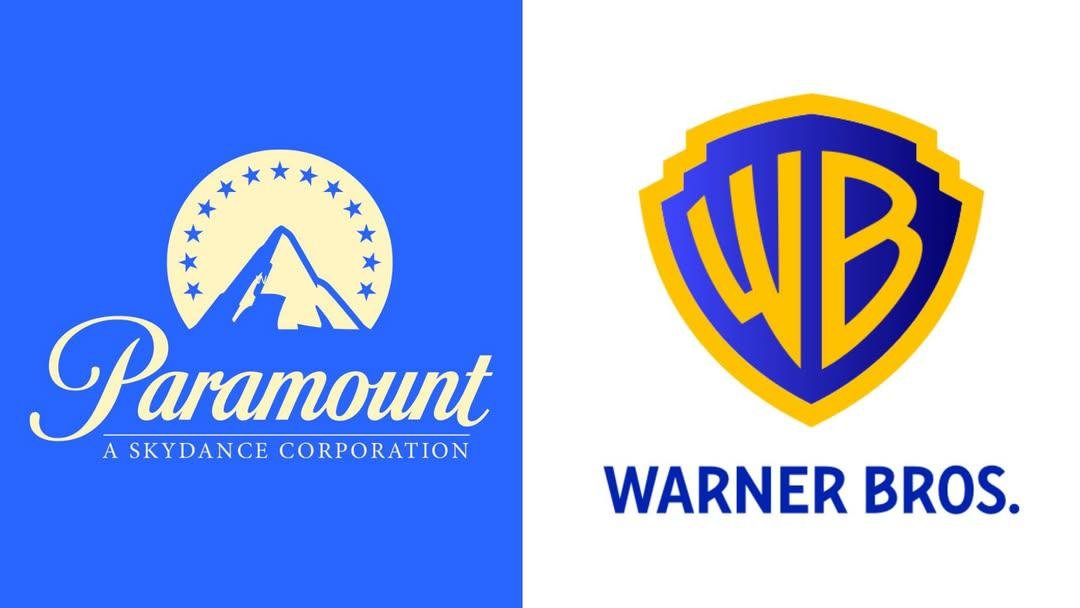
California and 11 other U.S. states have filed a lawsuit seeking to stop the proposed $110 billion merger between Paramount and Warner Bros., arguing that the deal would create excessive concentration in the entertainment industry, reduce competition, and ultimately increase costs for consumers.
The legal challenge, led by California Attorney General Rob Bonta, marks one of the most significant state-level antitrust actions against a media merger in recent years. California is home to the headquarters and major production facilities of both companies.
Bonta said the merger would hurt “audiences on every sofa and movie theatre seat in the US,” arguing that combining two of Hollywood’s largest studios would diminish competition in film production, television programming, and cable distribution.
States Argue Merger Would Reshape Hollywood
According to the lawsuit, the combined company would account for more than one-quarter of major theatrical film releases in the United States. Together with Disney, Universal, and Sony, four media conglomerates would control approximately 86% of the major film release market, giving them unprecedented influence over the entertainment industry.
The states contend that such market concentration would weaken the bargaining power of movie theater operators and cable television distributors, potentially leading to Higher movie ticket prices, Increased cable television fees, Reduced content choices for consumers and Lower-quality programming over time
The legal action follows reports by Semafor that David Ellison, chief executive of Paramount Skydance and son of Oracle founder Larry Ellison, had been advised to consider relocating company operations outside California if regulators blocked the merger.
Responding to the report in an interview with the BBC World Service, Bonta said he viewed the suggestion as an attempt to pressure regulators. “It felt like a threat… a last-ditch effort to blackmail the regulators into allowing an illegal deal to go through,” he said.
The lawsuit presents a new hurdle for the transaction after the U.S. Department of Justice approved the merger in June.

Paramount Defends Transaction
Paramount rejected the lawsuit, describing it as “fundamentally flawed” and pledging to defend the merger in court. The company argued that traditional media businesses face mounting financial pressure as cable television audiences continue to decline and streaming platforms intensify competition. It said greater scale is necessary to remain competitive against technology companies reshaping the entertainment landscape.
Paramount also warned that delaying the transaction would further hurt entertainment workers, saying the industry has already suffered significant job losses due to technological disruption.