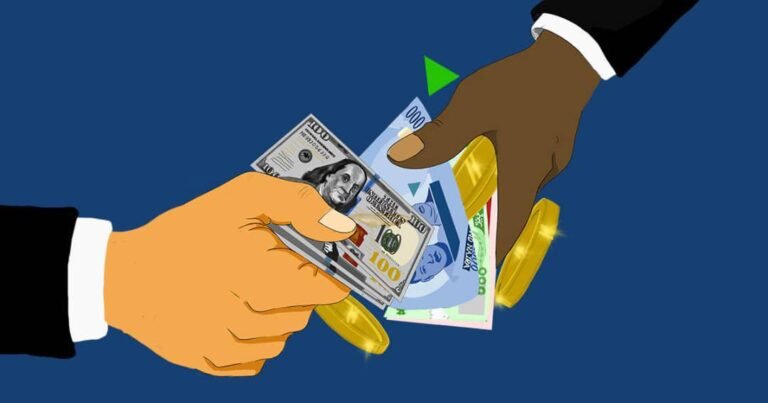
BRICS has put plans for a common currency on the back burner, shifting its immediate focus to expanding local-currency trade and connecting members’ payment systems.
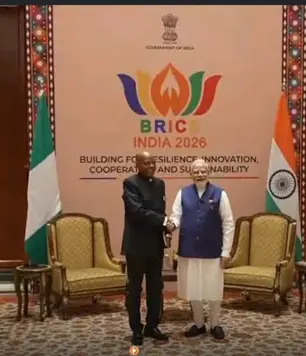
The shift was reinforced at the 18th BRICS Leaders’ Summit in New Delhi, India, where the expanded bloc discussed ways to make cross-border payments more efficient and allow member countries to settle more transactions directly in their national currencies.
India, which hosted the summit from September 12 to 13, said there is currently no proposal for a common currency among BRICS members.
Sudhakar Dalela, India’s Secretary for Economic Relations, said discussions would instead continue around bilateral trade settlements using local currencies. He said such arrangements could help reduce transaction costs and make cross-border payments easier.
Rather than establishing a new currency to rival the US dollar, BRICS is pursuing greater interoperability between members’ existing payment and financial systems.
The New Delhi Declaration recognised the work of the BRICS Payment Task Force on payment interoperability and cross-border transactions. It also noted that there may not be a single payment solution suitable for all BRICS members.
The bloc further encouraged the New Development Bank to expand financing in local currencies and diversify its funding sources. This could increase the role of national currencies in financing infrastructure and development projects across BRICS and other emerging economies.
Increased Local Currency Trade Prioritized
The strategy would allow countries to trade using their existing currencies while improving the systems through which banks and financial institutions process cross-border transactions.
The summit also placed emphasis on local-currency trade and interoperability involving central bank digital currencies, although differences remain among members over how BRICS payment infrastructure should be designed.
For now, the move represents a more gradual approach to reducing dependence on the US dollar in trade among BRICS economies.