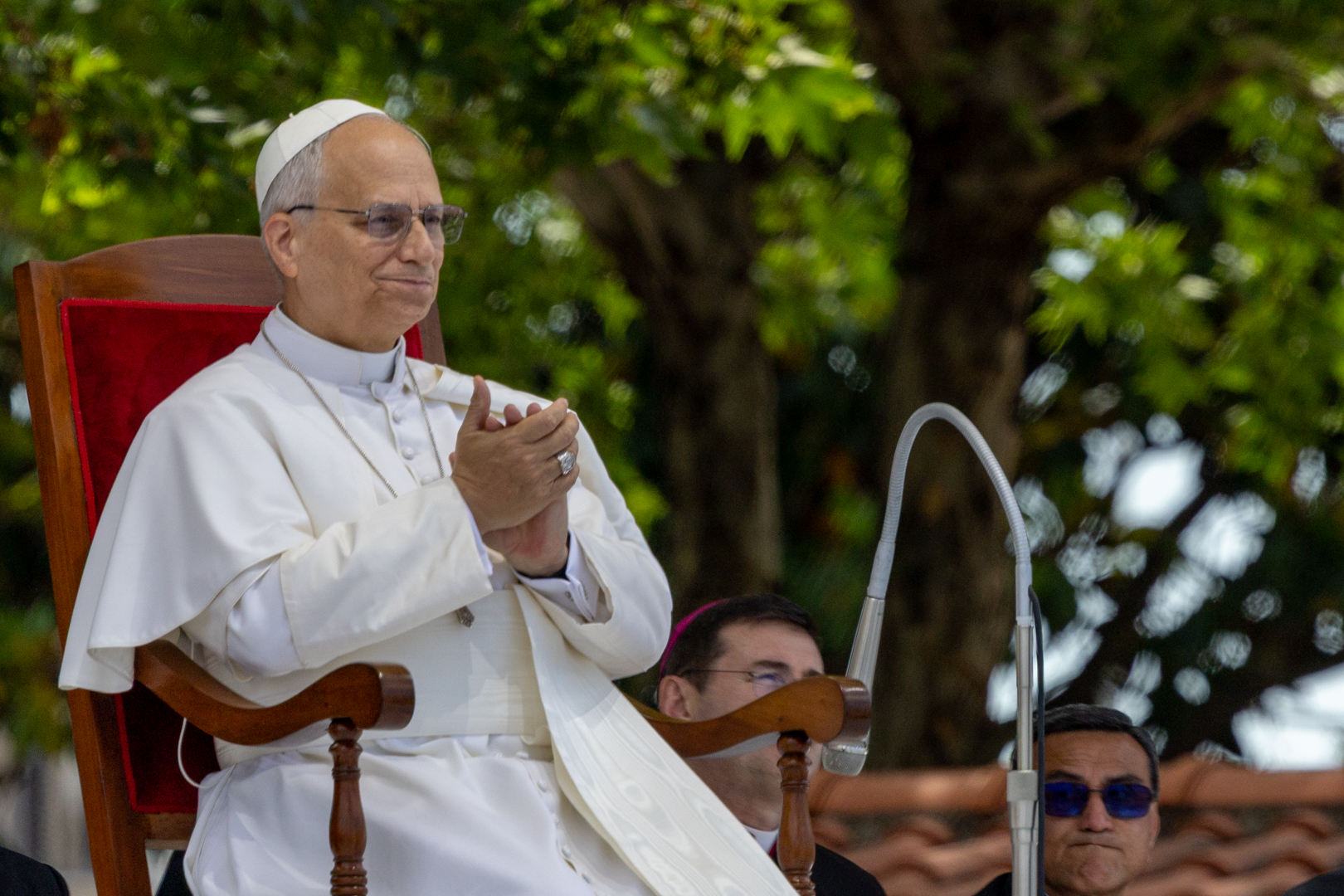
Pope Leo XIV has issued a powerful call for sweeping global regulation of artificial intelligence, warning that unchecked development of the technology could undermine human dignity, disrupt labour systems, and escalate modern warfare.
The message came in his first encyclical, “Magnifica Humanitas: On Safeguarding the Human Person in the Time of Artificial Intelligence,” presented on Monday at the Vatican in Vatican City.
The document positions AI as one of the most urgent moral and political challenges of the modern era, urging governments and technology developers to prioritize the “common good” over profit and competitive advantage.
“Human dignity must come first,” Pope says
In the encyclical, Pope Leo XIV warned that the rapid advancement of AI systems is being driven by what he described as a “culture of power,” especially in the development of autonomous weapons and large-scale surveillance technologies.
He argued that decisions involving human life — particularly lethal military actions — must never be delegated to machines, stressing that such responsibility must remain under direct human control.
The Pope also criticized the concentration of AI capabilities within a small group of powerful private companies, cautioning that this imbalance could weaken democratic accountability and expose vulnerable populations, including children, to harm.
Call for enforceable global regulation
Rather than relying on voluntary ethical guidelines, the Pope called for binding legal frameworks and independent oversight bodies to govern AI development.
He emphasized that ethical intentions alone are insufficient if they are controlled by a limited number of corporations or governments without transparency.
The encyclical urges political leaders to slow the pace of AI deployment and reflect on its long-term consequences for employment, security, and human identity.
Silicon Valley engagement and controversy
The Vatican event included participation from leading AI researchers, including co-founder of Anthropic, Christopher Olah, reflecting the Church’s ongoing dialogue with the global tech industry.
While some praised the engagement as constructive, critics questioned whether it signaled endorsement of specific companies at a time when major AI firms are under scrutiny for their influence and military partnerships.
Anthropic and OpenAI — two of the most valuable private AI companies globally — have been central to debates over regulation, safety, and government access to advanced models.
AI, war, and the future of labour
A significant portion of the document focuses on the military use of artificial intelligence, warning that automated warfare risks normalizing conflict and distancing societies from the human cost of war.
Pope Leo XIV also addressed economic concerns, cautioning that widespread automation could lead to large-scale job displacement if profits are prioritized over workers’ dignity.
He framed the AI revolution as comparable to the Industrial Revolution, calling for a renewed global social contract to protect employment and ensure technology serves humanity rather than replaces it.
A modern extension of Catholic social teaching
The encyclical draws on long-standing Catholic social doctrine, linking modern technological disruption to historical concerns about industrialization, labour rights, and economic justice.
It echoes themes from foundational Church teachings such as Rerum Novarum, updating them for the digital age and placing AI within the broader debate on human dignity and social responsibility.

Global policy implications
Experts say the document is likely to become a reference point in international AI policy debates, particularly as governments struggle to regulate rapidly evolving systems.
Law and ethics scholars have described it as one of the most comprehensive moral critiques of AI from a global religious leader, with potential influence across policymaking, academia, and civil society.
Key takeaways
- Pope Leo XIV calls for strict international AI regulation
- Warns against autonomous lethal weapons systems
- Urges transparency and accountability in tech companies
- Highlights risk of job displacement and economic imbalance
- Frames AI as a defining ethical challenge of the modern era