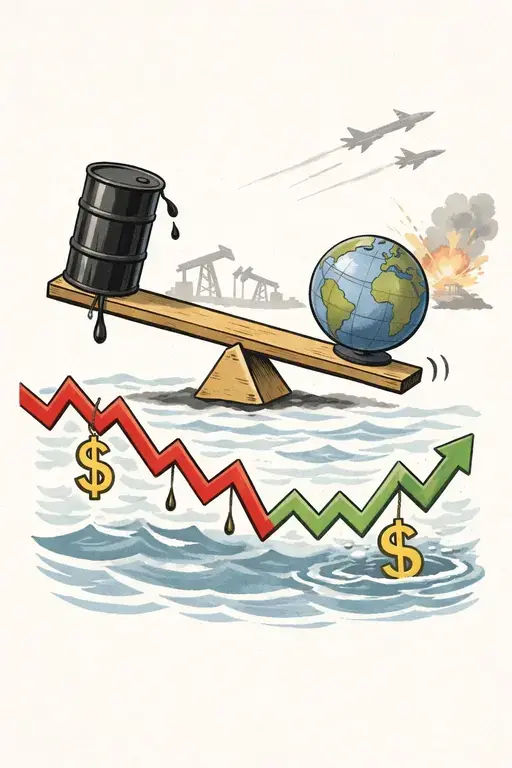
Oil prices rose on Wednesday, October 21, 2026, as escalating tensions in the Middle East and concerns over potential disruptions to energy supplies supported the market.
Brent crude, the international benchmark, gained 0.57% to trade at approximately $109.40 per barrel, while West Texas Intermediate (WTI), the US benchmark, advanced 0.84% to around $98.64 per barrel.
Prices fluctuated during the session, with Brent at times approaching $111 per barrel and WTI moving towards $100, reflecting heightened sensitivity to developments affecting global oil supply.
The latest gains extended a period of volatility in the oil market, as traders weighed geopolitical risks against prospects for diplomatic intervention and changes in US crude inventories.
Brent-WTI Spread Remains Wide
The price difference between Brent and WTI remained around $10 to $11 per barrel, with the international benchmark trading at a premium to the US crude marker.
The spread reflects differences in crude oil grades, transportation costs, regional supply and demand conditions, and the influence of geopolitical risks on internationally traded barrels.
The wide spread therefore highlights the differing supply dynamics affecting the international and US oil markets.

Oil prices are likely to remain sensitive to developments in the Middle East, inventory data and signals about the availability of crude supplies.
A further escalation affecting oil infrastructure or shipping routes could push prices higher by increasing fears of supply shortages. Conversely, credible diplomatic progress or evidence that shipments are continuing without significant disruption could ease some of the geopolitical premium.