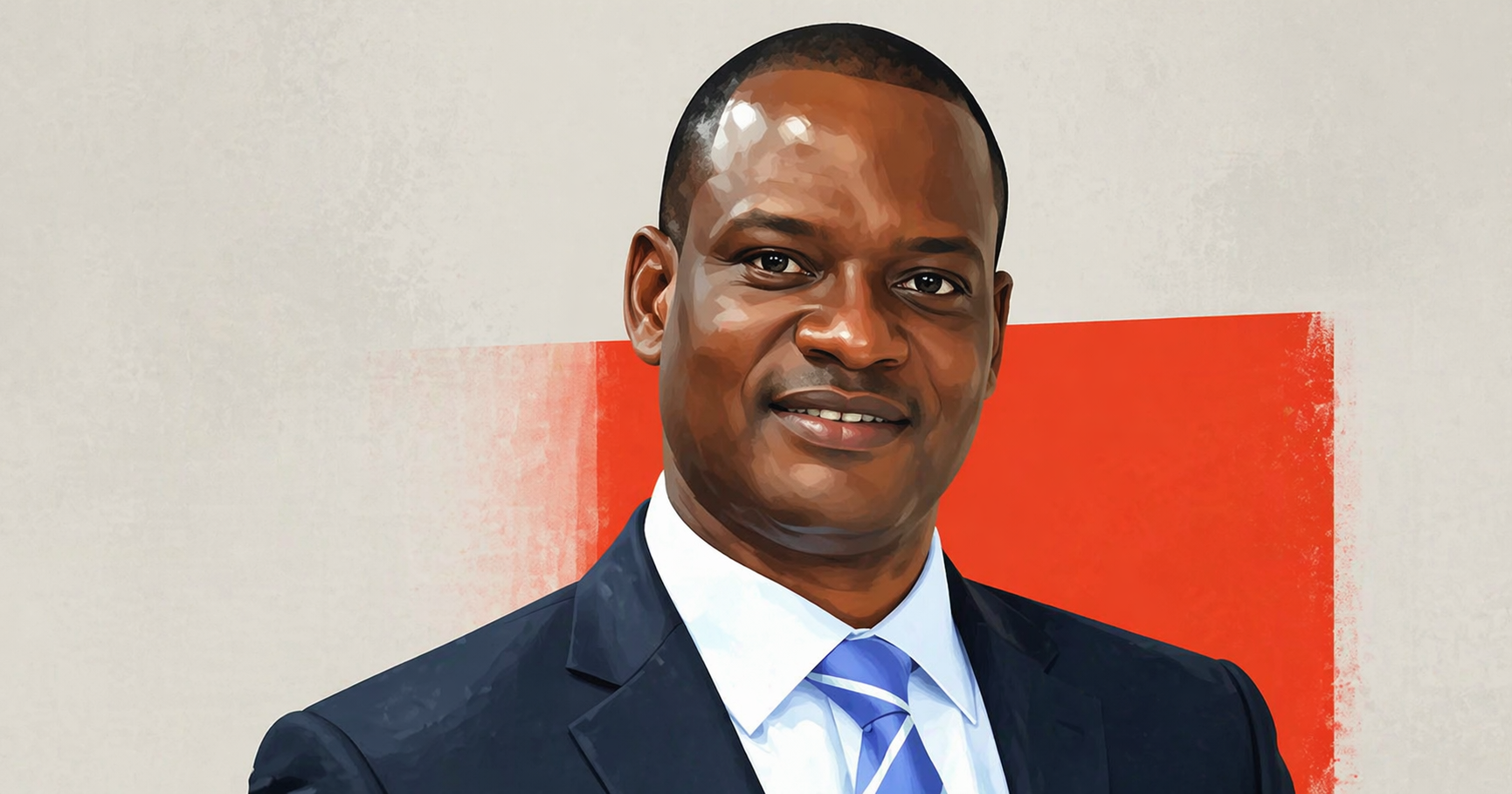
Finance Minister Taiwo Oyedele has warned that the naira could depreciate to between ₦3,000 and ₦4,000 per dollar if the Federal Government reinstates petrol subsidy.
Oyedele said reversing the fuel subsidy removal could trigger capital flight, weaken foreign exchange inflows and intensify pressure on the naira, ultimately worsening economic conditions for ordinary Nigerians.
He spoke while responding to a question about how the government balances the interests of investors with the welfare of Nigerians, arguing that the two objectives should not be treated as competing priorities.
“There’s nothing to balance. It’s the same thing. What the people need is what the investors are looking for,” Oyedele said.
According to him, the disconnect arises when political leaders prioritise short-term measures to satisfy the public at the expense of policies needed to sustain long-term economic stability.
He cited proposals to reinstate fuel subsidies as an example, noting that although such measures might initially appeal to consumers, their broader economic consequences could be severe.
“Someone said they can do ₦700. Someone said ₦500. Someone said ₦300. I said very soon, somebody will just say we’ll give it up for free,” he said, referring to proposals to reduce petrol prices through renewed government intervention.
Potential Impact of Restoring Subsidy
Oyedele argued that a reversal of the subsidy removal could undermine investor confidence, particularly if international and domestic investors interpret the decision as a retreat from economic reforms.
“If, for any reason, Mr. President says we are considering just that, we are considering return of subsidy on fuel, you know this thing that you say happened to Indonesia, it would be a child’s play,” he said.
“Because at the end of the day, capital will leave once you say that, because they know what it means. So when capital leaves, your FX will struggle.”
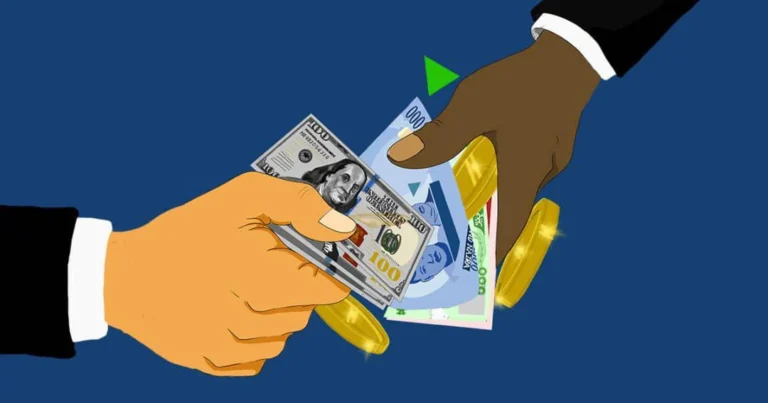
He warned that sustained capital outflows could weaken the naira significantly, pushing the exchange rate to ₦3,000, ₦3,500 or even ₦4,000 per dollar.
“The fuel that they want to subsidize, they will be wishing for ₦1,400 per litre,” he added, arguing that currency depreciation could ultimately make imported and domestically priced petroleum products more expensive despite attempts to lower pump prices.
Oyedele Defends Fuel Price Discounts
The fiscal policy committee chairman also defended commercial fuel price discounts, arguing that reductions in retail margins should not automatically be classified as government subsidies.
He explained that fuel retailers typically add logistics costs, overheads and profit margins to their purchase prices. A retailer can therefore reduce or waive part of its margin to attract customers while continuing to sell at commercial prices.
“If you give that profit as a discount, how is this subsidy?” he asked.
Oyedele cited promotional offers such as “buy one, get one free” and discounts for students as examples of ordinary commercial strategies rather than subsidies.
He also argued that NNPC Retail could use lower margins to increase sales volumes and build customer loyalty, potentially recovering some of the revenue sacrificed through discounts in subsequent periods.
“If NNPC retail does this well, their monthly volume is 70,000 litres. They can easily double that. Their volumes are too small. You can win loyalty, and whatever you give up in one month, you can make it back subsequently,” he said.
According to Oyedele, the distinction is important because a commercial pricing decision by a company with government ownership does not automatically constitute a government subsidy.
He noted that the government has interests in several commercial enterprises and that their pricing decisions should be assessed according to their commercial arrangements rather than simply their ownership structures.
Investors Watching Nigeria’s Commitment to Reforms
Oyedele further disclosed that the possibility of Nigeria reversing its economic reforms had featured prominently in his engagements with investors, including meetings in London.
He said investors had repeatedly asked whether the government would maintain its reform programme despite political pressure and electoral considerations.
According to him, both domestic and international capital markets have largely discounted proposals by opposition politicians to reinstate fuel subsidies, reflecting doubts about their credibility and the sustainability of such a policy reversal.