Nigeria plans to adopt lessons from Ethiopia’s mechanised farming model to increase agricultural productivity, reduce food imports and achieve food self-sufficiency, Vice President Kashim Shettima has said.
Shettima disclosed this during the Ethiopia–Nigeria Leadership Exchange, where he led a Nigerian delegation on a tour of farms and agricultural facilities in Ethiopia’s Oromia region.
He said Nigeria would draw from Ethiopia’s experience in deploying improved seeds, mechanisation and climate-smart farming practices to expand domestic food production and strengthen agricultural value chains.
“We intend to embrace improved seeds, mechanisation, and climate-smart agriculture,” the vice president said.
Ethiopia’s Agricultural Transformation
Ethiopia’s agricultural transformation has helped the country move from importing about $1 billion worth of wheat annually to achieving self-sufficiency and generating more than $3.1 billion annually from wheat, according to figures cited during the visit.
The country has also started exporting surplus wheat to neighbouring countries, including Djibouti and Kenya, while making progress towards self-sufficiency in rice production.
Shettima described Ethiopia’s agricultural model as a potential blueprint for Nigeria and other African countries seeking to reduce food import dependence and improve food security.
The vice president warned that excessive dependence on imported food could undermine Nigeria’s economic independence, arguing that domestic production was essential to national sovereignty.
“Food dependency compromises our sovereignty. Without independence in food production, a nation remains incomplete in its sovereignty,” he said.
He said the Federal Government was pursuing investments in agricultural infrastructure to address supply chain gaps and logistical bottlenecks, reduce risks for agribusinesses and attract private-sector investment.
Shettima also called for stronger agricultural cooperation between Nigeria and Ethiopia, saying both countries could use their resources and experience to improve food production across Africa.
“Africa must learn to feed itself. Ethiopia is doing it and Nigeria is on course to do the same. Ethiopia is a success story worthy of emulation,” he said.
Planned Tree Planting Campaign
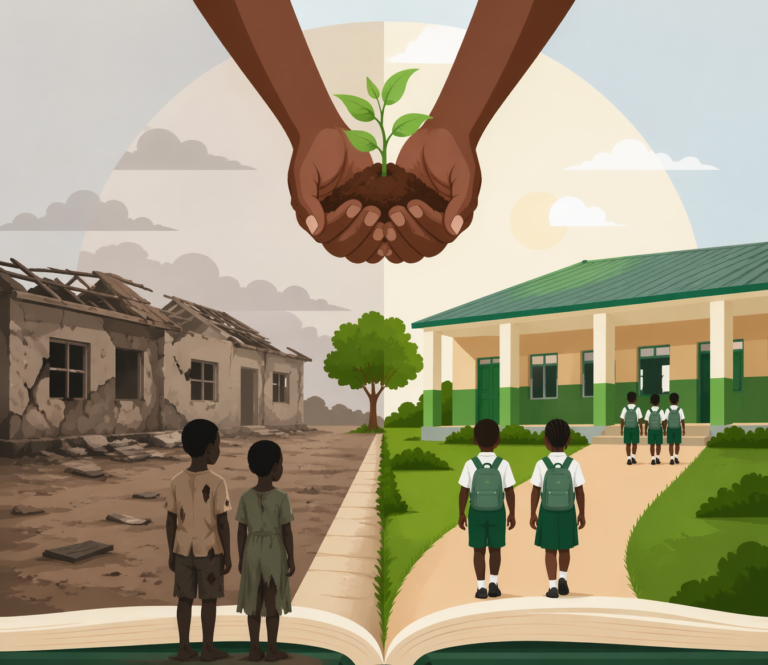
Shettima also announced plans for a nationwide tree-planting campaign targeting 20 billion trees during the next rainy season, drawing inspiration from Ethiopia’s Green Legacy Initiative.
He said the programme would support environmental restoration, create jobs and improve livelihoods, although its implementation would require extensive planning and public participation.
“We will embark on a massive tree-planting campaign in the next rainy season. It requires a lot of planning, energy and drive, which Ethiopia was able to galvanise its population into doing. We intend to plant 20 billion trees,” he said.
Shettima further highlighted the economic opportunities available through closer cooperation between the two countries, whose combined population exceeds 400 million.
He said Ethiopia’s agricultural progress could have wider implications for Africa by demonstrating how large-scale production could support food security, exports and industrial development.
Nigeria to Increase Domestic Wheat Production
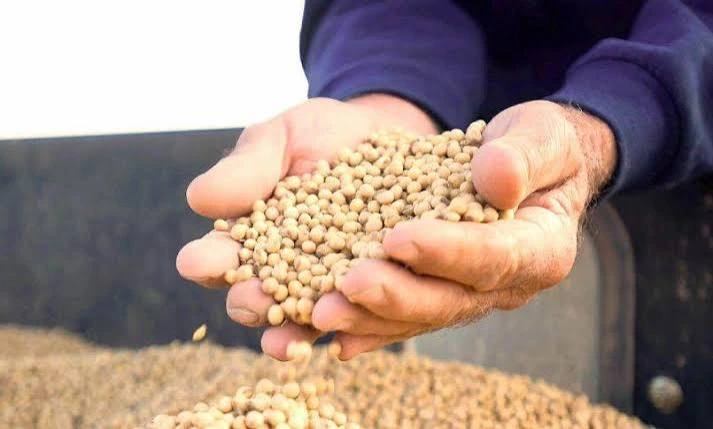
Nigeria’s proposed adoption of Ethiopia’s agricultural model comes as the Federal Government seeks to increase domestic wheat production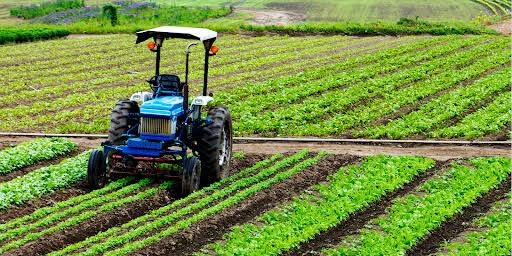 and reduce reliance on imports.
Under the National Agricultural Growth Scheme and Agro-Pocket (NAGS-AP), annual wheat production has risen from about 120,000 metric tonnes to 420,000 metric tonnes, representing a 250 per cent increase from the reported baseline.

The government has identified increased domestic production as part of its broader strategy to strengthen food security, improve farmers’ productivity and make the agricultural sector more resilient.
However, scaling up mechanised farming will require sustained investment in equipment, improved seeds, irrigation, storage, transport infrastructure and access to finance to ensure that higher production translates into more affordable food and stronger farm incomes.