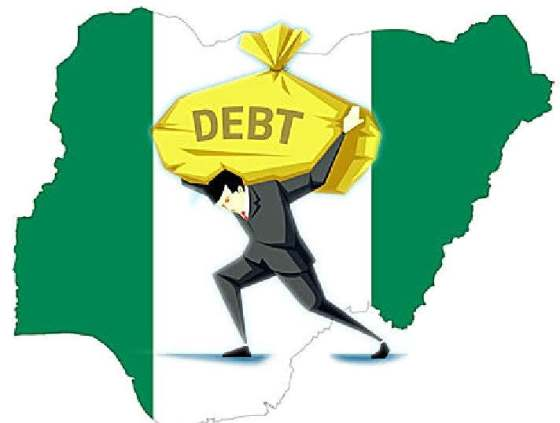
Nigeria’s outstanding exposure to the World Bank’s International Development Association (IDA) rose to $19.12 billion as of June 2026, making the country the largest IDA borrower in Africa and the third-largest globally.
The IDA exposure accounts for most of Nigeria’s $20.73 billion total debt to the World Bank Group, including $1.61 billion owed to the International Bank for Reconstruction and Development (IBRD).
At the same time, the Federal Government is discussing three additional IDA credits worth a combined $1.5 billion, according to World Bank project documents.
The proposed financing consists of three facilities of $500 million each, targeting climate resilience, social protection and early childhood development.
Three New $500m Requests
The most advanced of the proposed facilities is an additional $500 million for the Agro-Climatic Resilience in Semi-Arid Landscapes (ACReSAL) project.
The project is scheduled for World Bank Board consideration on October 29, 2026. If approved, the additional financing would increase total funding for ACReSAL from $700 million to $1.2 billion.
The second proposed facility is the Household Prosperity and Empowerment – Social Protection Project (HOPE-SP), while the third would finance a nationwide early childhood development programme targeting children aged zero to five across Nigeria’s 36 states and the Federal Capital Territory.
The latter two projects are at earlier stages of preparation, with tentative World Bank Board consideration dates in March 2027.
Nigeria’s IDA Debt
Nigeria’s IDA exposure increased from $18.04 billion in June 2025 to $19.12 billion in June 2026, representing an increase of about $1.08 billion over the 12-month period.
The increase was particularly pronounced in the second quarter of 2026. IDA debt rose by approximately $733 million between March and June 2026.
As of March 2026, Nigeria accounted for about 8% of IDA’s global loan portfolio, placing it among the institution’s largest borrowers.
Bangladesh and Pakistan ranked ahead of Nigeria globally, while Nigeria remained the largest IDA borrower in Africa.
Concessional Financing Make up Bulk of Loans
Nigeria’s IDA portfolio consists largely of concessional financing, which generally carries more favourable terms than commercial borrowing, including long maturities and extended grace periods.
The loans support projects across sectors including power, agriculture, climate resilience, human capital, social protection and economic reforms.
The concessional structure means the cost of servicing IDA debt is generally lower than that of market-based borrowing such as Eurobonds, although the growing stock of obligations adds to Nigeria’s overall external debt burden.
World Bank Accounts for Major Share of Nigeria’s External Debt
The World Bank Group’s $20.73 billion exposure represents a significant portion of Nigeria’s external obligations.
IDA alone accounts for approximately 35% of Nigeria’s total external debt, based on the figures for June 2026, while the World Bank Group accounts for about 38% of the country’s external debt.
The World Bank Group also represents roughly 84% of Nigeria’s multilateral debt.

The proposed $1.5 billion in additional IDA financing would therefore increase Nigeria’s exposure further if the facilities are approved and subsequently disbursed.
The growing reliance on concessional development financing comes as Nigeria continues to fund large-scale programmes in agriculture, climate adaptation, social protection and human capital.