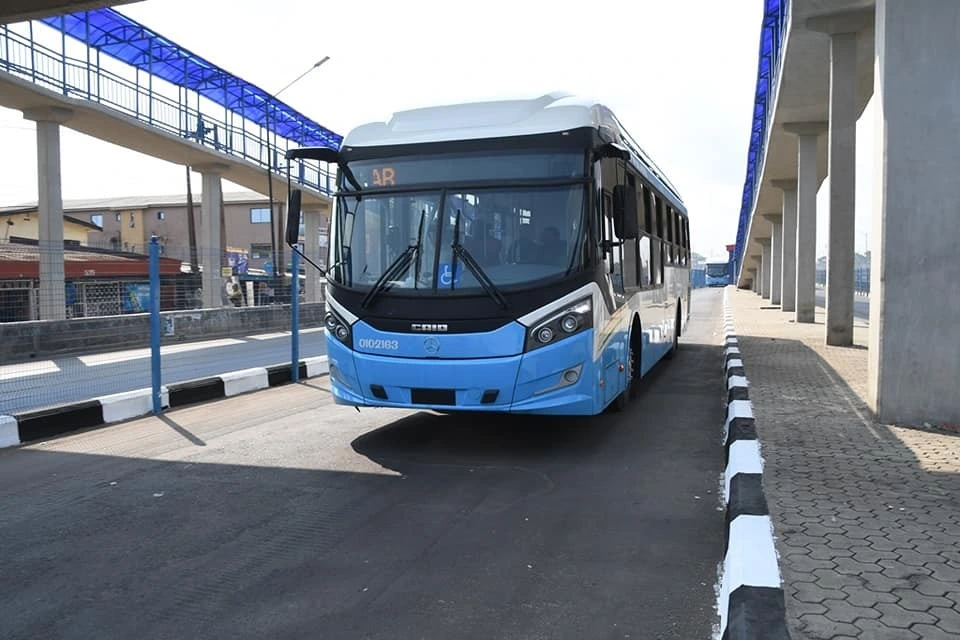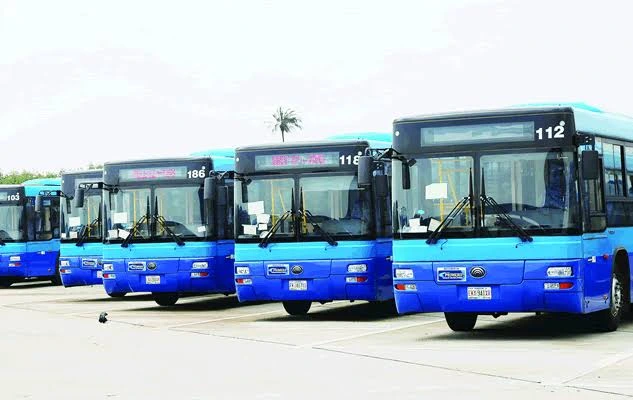
The Lagos Metropolitan Area Transport Authority (LAMATA) has announced that commuters who pay cash for fares on any of its regulated public transport services will face penalties from August 1 as the state intensifies enforcement of its cashless fare policy.
The agency said the measure is aimed at improving accountability, transparency and revenue protection across Lagos’ regulated transport network. It also warned passengers to report any driver or conductor demanding cash payments through its official customer service channels.
Speaking during an X Space engagement with transport stakeholders titled “Lagos Cashless Transit: What Aug. 1 Enforcement Means to You,” LAMATA’s Head of Legal, Idris Akinola, said existing Lagos State transport regulations require commuters to pay fares exclusively through the approved electronic payment platform, the Cowry Card.
According to Akinola, both passengers who offer cash and transport personnel who accept it could be liable under applicable state laws governing unauthorised payments. “This means both the person offering cash and the person accepting it may be held liable under the applicable laws,” he said.
He added that offenders, upon conviction, could face prison terms of up to seven years, while urging transport operators to strengthen internal monitoring by recruiting trustworthy staff and conducting regular compliance checks.
Move Away From Cash Payments
Transport operators say the new enforcement is necessary after previous efforts targeting only drivers failed to eliminate cash collections.
Managing Director of Teejay Motors, Adekunle Tajudeen, said the company has trained its drivers and boarding officers to reject cash payments under all circumstances and require passengers to use Cowry Cards. He disclosed that some drivers had previously been arrested and jailed for accepting cash, arguing that passengers often encourage the practice by insisting on cash payments.
To minimise service disruptions during enforcement, Tajudeen said the company has expanded its fleet and recruited additional drivers so that non-compliant staff can be removed without affecting commuters.
Public transport and urban mobility expert Adepoju Fawokon said LAMATA’s decision reflects the reality that every cash transaction involves both a payer and a receiver.
According to him, holding both parties accountable is intended to reduce revenue leakage and strengthen the long-term sustainability of Lagos’ regulated bus system rather than simply punish commuters.
Cowry Card Challenges Being Fixed
Meanwhile, Managing Director of Touch and Pay Technologies, Olamide Afolabi, acknowledged complaints from commuters over incorrect Cowry Card top-ups by agents but said new digital tools have been introduced to improve transparency.
He said commuters can now verify balances and recent transactions through the Carry Hub and the company’s mobile application, while self-service kiosks at bus and rail terminals enable passengers to top up their cards without using agents.

Afolabi also disclosed that a postpaid, single-card payment system is expected to be rolled out more broadly before the end of the year, allowing commuters to use online top-ups immediately without first transferring funds to their physical Cowry Cards.
The stricter enforcement marks another step in Lagos State’s push toward a fully cashless public transport system, with authorities hoping the policy will curb fare leakages, improve operational accountability and enhance the efficiency of urban mobility across the state.