For more than a decade, Apple’s September keynote has followed a predictable script: unveil the next generation of iPhones, begin pre-orders within days and ship every flagship model before the end of the month. That routine may be ending.
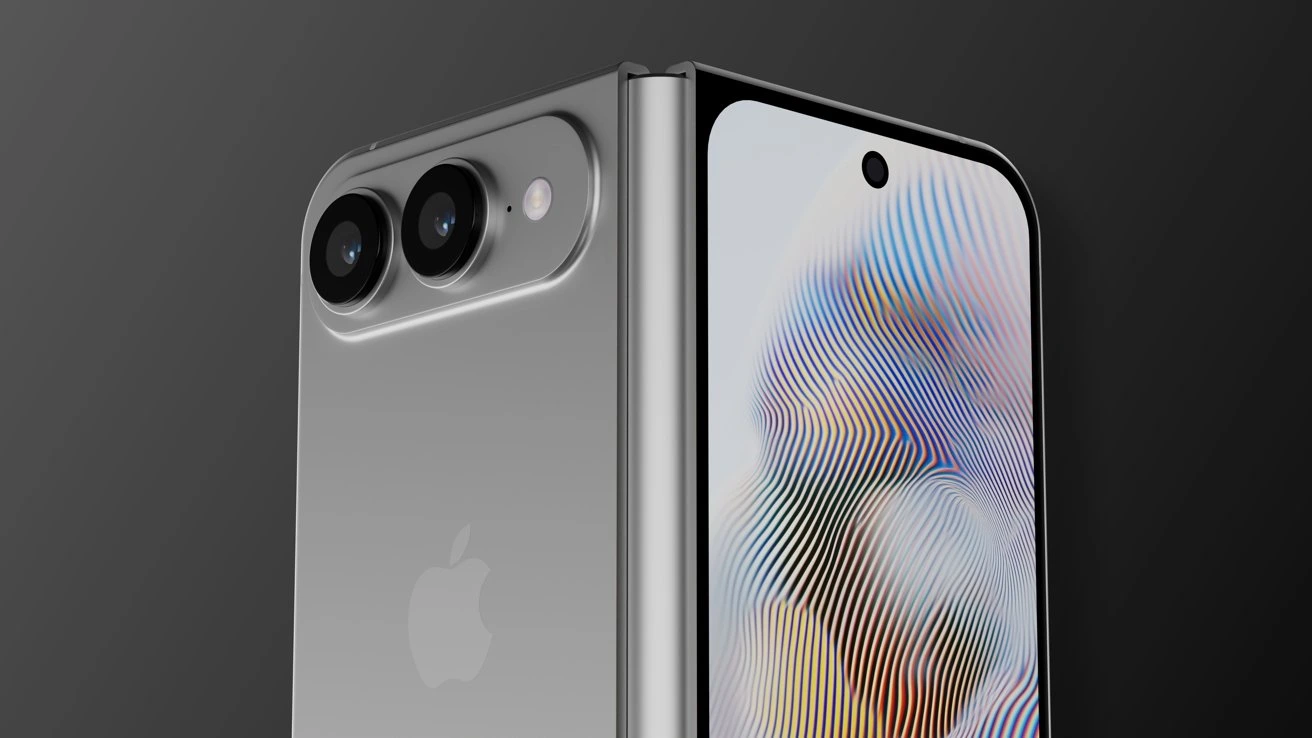
A growing body of reports from Apple’s supply chain suggests the company is preparing to abandon its long-established release schedule by delaying the standard iPhone 18 until early 2027 while introducing only higher-end models—including the iPhone 18 Pro, iPhone 18 Pro Max and what is expected to be Apple’s first foldable iPhone—during its September 2026 launch event.
The claim, which has spread rapidly across social media, did not originate from Apple. Instead, it emerged through a series of reports from analysts and publications with established records of tracking the company’s manufacturing plans, including Nikkei Asia, MacRumors and respected Apple analyst Ming-Chi Kuo. Apple has not publicly confirmed its 2026 product roadmap.
Evidence from Apple’s Supply Chain
The strongest indication of a revised launch calendar came not from Cupertino but from Taiwan.
Earlier this year, Largan Precision, Apple’s largest supplier of smartphone camera lenses, disclosed during an earnings briefing that one of its major U.S. customers had postponed a flagship product launch from late 2026 to early 2027. Although the company did not identify the customer, analysts widely interpreted the comments as referring to Apple because of Largan’s dominant role in the iPhone supply chain and the timing of earlier reports predicting a delayed standard iPhone 18.
That disclosure followed reports citing manufacturing sources indicating Apple intends to split its flagship releases across two launch windows: premium devices in September 2026 and more affordable models several months later.
Neither Apple nor its manufacturing partners have officially confirmed those reports.
A Radical Departure From Apple’s Playbook
If implemented, the strategy would represent Apple’s most significant overhaul of the iPhone launch cycle since the company settled into its annual September release pattern with the iPhone 4S in 2011.
The company has occasionally staggered launches because of extraordinary circumstances. The iPhone X debuted later than expected in 2017 due to production constraints, while the COVID-19 pandemic pushed the iPhone 12 launch into October 2020. Those delays, however, were driven by operational challenges rather than a deliberate commercial strategy.
What appears to be emerging now is different: a permanent restructuring of Apple’s product calendar designed to separate premium and mainstream devices.
Preparing for a Larger iPhone Portfolio
The shift reflects the growing complexity of Apple’s smartphone lineup.
Alongside the expected Pro models, Apple is widely anticipated to introduce its first foldable iPhone—a product reportedly under development for years as competitors including Samsung, Huawei and Honor expanded their own foldable offerings.
Adding another flagship device risks overwhelming Apple’s traditional September launch, both from a marketing perspective and across its global manufacturing network, where suppliers must ramp up production simultaneously for multiple high-volume products.
Splitting launches would allow Apple to spread manufacturing capacity over a longer period while keeping consumer attention focused on successive product releases rather than a single annual event.
The Commercial Logic Behind the Delay
Analysts believe the revised schedule serves more than operational purposes.
By releasing premium devices first, Apple captures demand from early adopters willing to pay its highest prices before introducing lower-cost models months later. The approach could improve average selling prices, ease pressure on component procurement and create two distinct sales peaks instead of one.
The strategy also aligns with Apple’s broader shift toward services and ecosystem revenue, where keeping customers engaged throughout the year has become increasingly valuable.
For investors, smoothing hardware sales across multiple quarters may reduce the sharp seasonal fluctuations that have long characterised Apple’s financial results.
What Remains Unconfirmed
While the broader timeline has gained support from multiple independent reports, several claims circulating online remain speculative.
Social media posts frequently state that buyers this September will choose between the iPhone 18 Pro, iPhone 18 Pro Max and an “iPhone Ultra.”
The first two devices are widely expected. The third is less certain.
Although reports consistently suggest Apple is preparing a foldable iPhone, there is no evidence that the company has settled on “iPhone Ultra” as its commercial name. Apple has not announced either the product or its branding.
Similarly, online claims that Apple split the launch because unveiling six phones at once would be “too much” are not supported by any official statement. Industry observers instead point to manufacturing efficiency, portfolio expansion and commercial strategy as more likely explanations.
A New Phase for Apple’s Hardware Strategy
If the reported plans materialise, consumers could soon experience an iPhone release cycle resembling the automotive industry, where flagship products reach showrooms months before more affordable variants.
It would also mark another step in Apple’s gradual transformation from a company driven primarily by annual hardware launches into one managing an increasingly diverse ecosystem spanning smartphones, wearables, artificial intelligence features, services and, potentially, entirely new device categories.

For customers hoping to buy the standard iPhone 18 this autumn, however, patience may become part of the upgrade experience.
Until Apple unveils its next-generation iPhones, the reports remain well-sourced but unconfirmed, illustrating how the company’s tightly controlled secrecy increasingly coexists with a global supply chain capable of revealing strategic shifts long before executives take the stage.