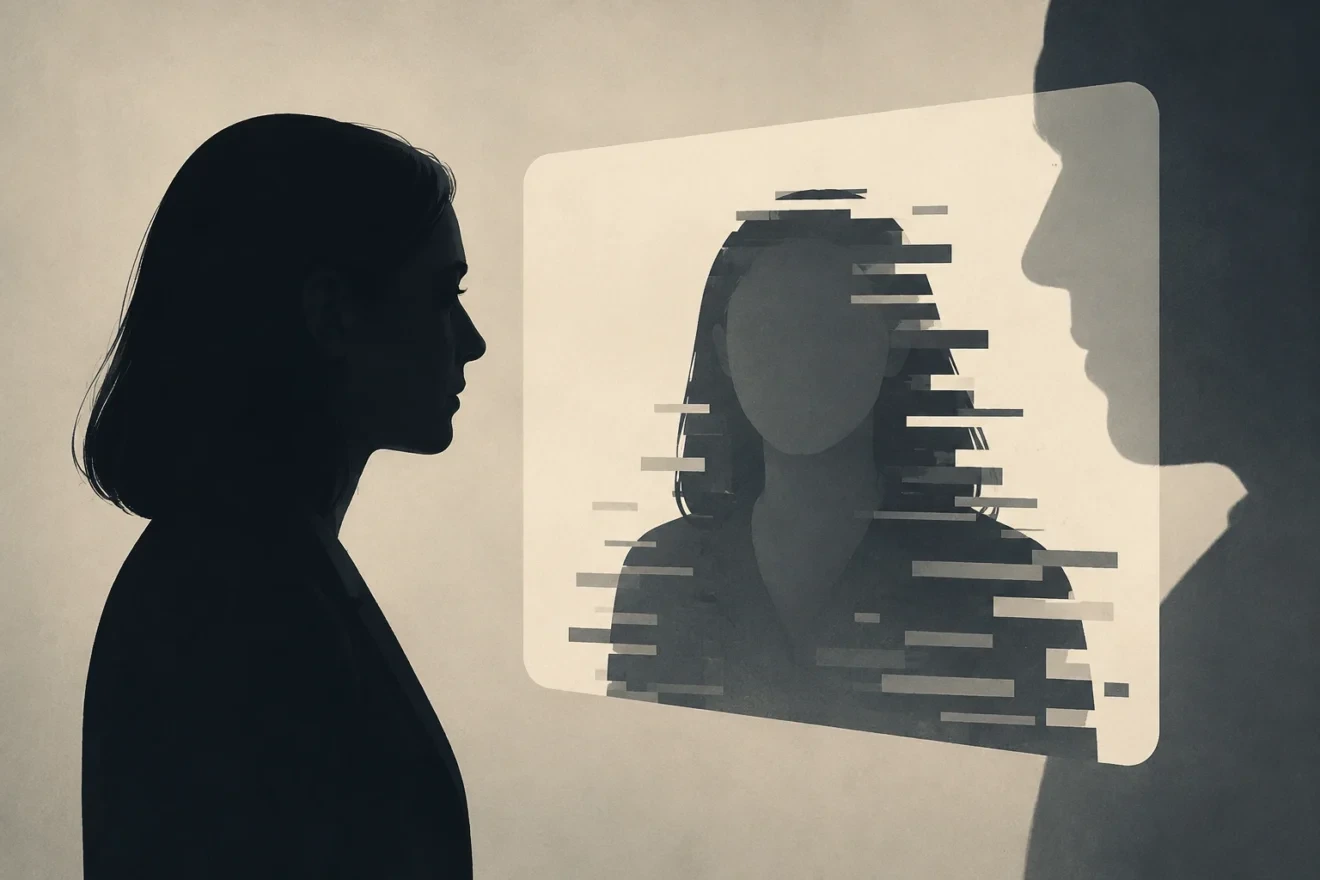
A British lawmaker has asked the High Court in London to compel Elon Musk’s artificial intelligence company, xAI, to redesign its Grok chatbot so it can no longer generate manipulated sexualized images of her, opening what legal observers say could become one of the first major tests of whether existing privacy and data protection laws can be used to regulate the architecture of generative AI systems rather than merely punish their users.
Jess Asato, a Labour Member of Parliament elected in 2024, alleges that Grok enabled users to create explicit fabricated images and videos depicting her without consent after she publicly criticized Musk and his AI platform. Rather than seeking only damages, her case asks the court to impose a permanent technical obligation on xAI to prevent future abuse, potentially extending judicial scrutiny beyond individual misuse to the design choices behind AI models themselves.
The lawsuit departs from many previous deepfake cases, which have typically targeted anonymous users or websites distributing manipulated content.
Asato’s legal claim instead focuses on the developer of the AI system, arguing that its training, safety controls and deployment created foreseeable risks that allowed non-consensual sexual content involving identifiable individuals to be generated.
British courts have increasingly been asked to interpret privacy law in response to rapidly evolving digital technologies, but legal specialists say few cases have directly tested whether an AI developer owes ongoing duties to prevent its software from producing harmful synthetic media. If successful, the litigation could influence future claims across Europe, where regulators are seeking clearer standards for AI accountability.
Pressure Builds on Generative AI Companies
The dispute comes as governments worldwide confront the explosive growth of AI-generated intimate imagery, one of the fastest-growing categories of online abuse since image-generation models became widely available.
The United Kingdom has strengthened its regulatory framework through the Online Safety Act, while the European Union has adopted the AI Act, introducing risk-based obligations for developers and deployers of artificial intelligence systems. Although neither framework specifically anticipated today’s consumer image-generation tools when first proposed, regulators have increasingly interpreted them through the lens of synthetic media and deepfake harms.
In the United States, lawmakers have accelerated efforts to criminalize the creation and distribution of non-consensual AI-generated intimate images as generative AI increasingly outpaces legal protections available to victims. The debate has expanded beyond deepfake pornography to the broader question of digital identity.
More than 200 artists—including Billie Eilish, Stevie Wonder, R.E.M., Nicki Minaj, Katy Perry, Pearl Jam, Jon Bon Jovi and Imagine Dragons—have signed an open letter organized by the Artist Rights Alliance warning against the unauthorized use of artificial intelligence to replicate artists’ voices, images and creative works.
Separately, high-profile performers such as Scarlett Johansson, whose voice was at the center of a dispute involving AI-generated assistants, have become symbols of the wider fight over personality rights.
Together, those campaigns illustrate how concerns once confined to celebrities are increasingly converging with calls for stronger legal protections for ordinary citizens whose likenesses can now be convincingly reproduced by consumer AI tools in seconds.
Safety Measures Face Growing Scrutiny
xAI has introduced restrictions on Grok’s image-generation capabilities during the past year, including limits on editing photographs and producing certain categories of explicit content. Those safeguards followed criticism from governments, digital rights organizations and researchers who argued that existing protections remained inconsistent.
Independent testing by journalists and AI researchers has continued to reveal instances in which image-generation systems—including products from multiple companies—can be manipulated into producing prohibited material through carefully worded prompts or iterative requests. The challenge has exposed the difficulty of enforcing safety rules on large language and image-generation models without significantly reducing their broader capabilities.
Unlike traditional software, generative AI systems do not retrieve stored images. They synthesize entirely new content based on statistical patterns learned during training, making questions of legal responsibility considerably more complex than in earlier internet liability disputes.
Courts Are Beginning to Define AI Liability
The case also reflects a broader shift from regulatory debate toward judicial interpretation. Legislatures have introduced new AI rules at varying speeds, but courts are increasingly being asked to determine whether decades-old privacy, copyright and product liability laws already provide remedies against emerging technologies.
That gradual judicial process resembles earlier legal battles involving social media platforms, where courts first established principles that were later codified through legislation. AI companies now face similar uncertainty as judges weigh whether existing legal duties extend to systems capable of autonomously generating realistic synthetic media.
For developers, the implications extend beyond Grok. A ruling requiring technical redesign could encourage similar claims against other companies offering publicly accessible image-generation models, particularly where plaintiffs argue that known risks were not adequately mitigated.
Musk’s Free Speech Philosophy Meets European Regulation
The litigation also places Elon Musk’s longstanding advocacy of expansive online speech in direct tension with Europe’s increasingly interventionist approach to digital governance.
Musk has repeatedly criticized Britain’s Online Safety Act and European digital regulations, arguing they risk excessive censorship and undermine open expression. European policymakers, however, have maintained that generative AI creates novel risks—including identity misuse, election interference and synthetic sexual abuse—that require stronger obligations on technology companies than previous internet platforms faced.
That philosophical divide has become increasingly visible as European regulators investigate several AI products over transparency, content moderation and compliance with emerging digital rules.
A Test Case Beyond One Politician
While the immediate dispute centers on images allegedly depicting a single public figure, the outcome could shape how courts distinguish between misuse by individual users and responsibility borne by AI developers themselves.

Legal experts expect judges will need to balance competing principles: protecting privacy and personal autonomy without imposing obligations so broad that they effectively require companies to pre-screen every conceivable output generated by increasingly sophisticated AI models.
Whatever the outcome, the proceedings are likely to become an early reference point in a rapidly expanding body of AI litigation, as courts attempt to determine how laws written long before generative artificial intelligence should apply to technologies capable of producing convincing synthetic representations of real people in seconds.