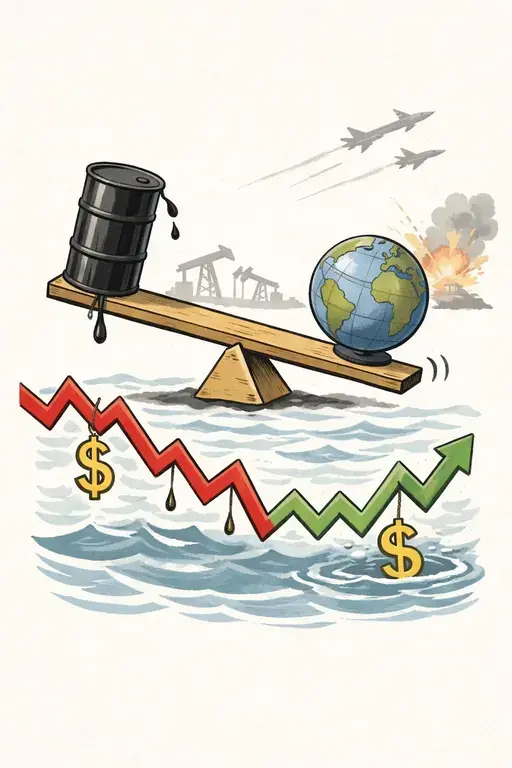
Oil prices climbed above $85 per barrel on Tuesday, reaching their highest level since the United States and Iran agreed to extend a ceasefire in June, as renewed fighting over the strategic Strait of Hormuz intensified concerns over global energy supplies.
Brent crude, the international oil benchmark, rose as high as $85.64 per barrel, extending sharp gains recorded on Monday when prices jumped nearly 10%. The rally reflects growing fears that disruptions in one of the world’s most critical energy transit routes could significantly tighten global oil supplies.
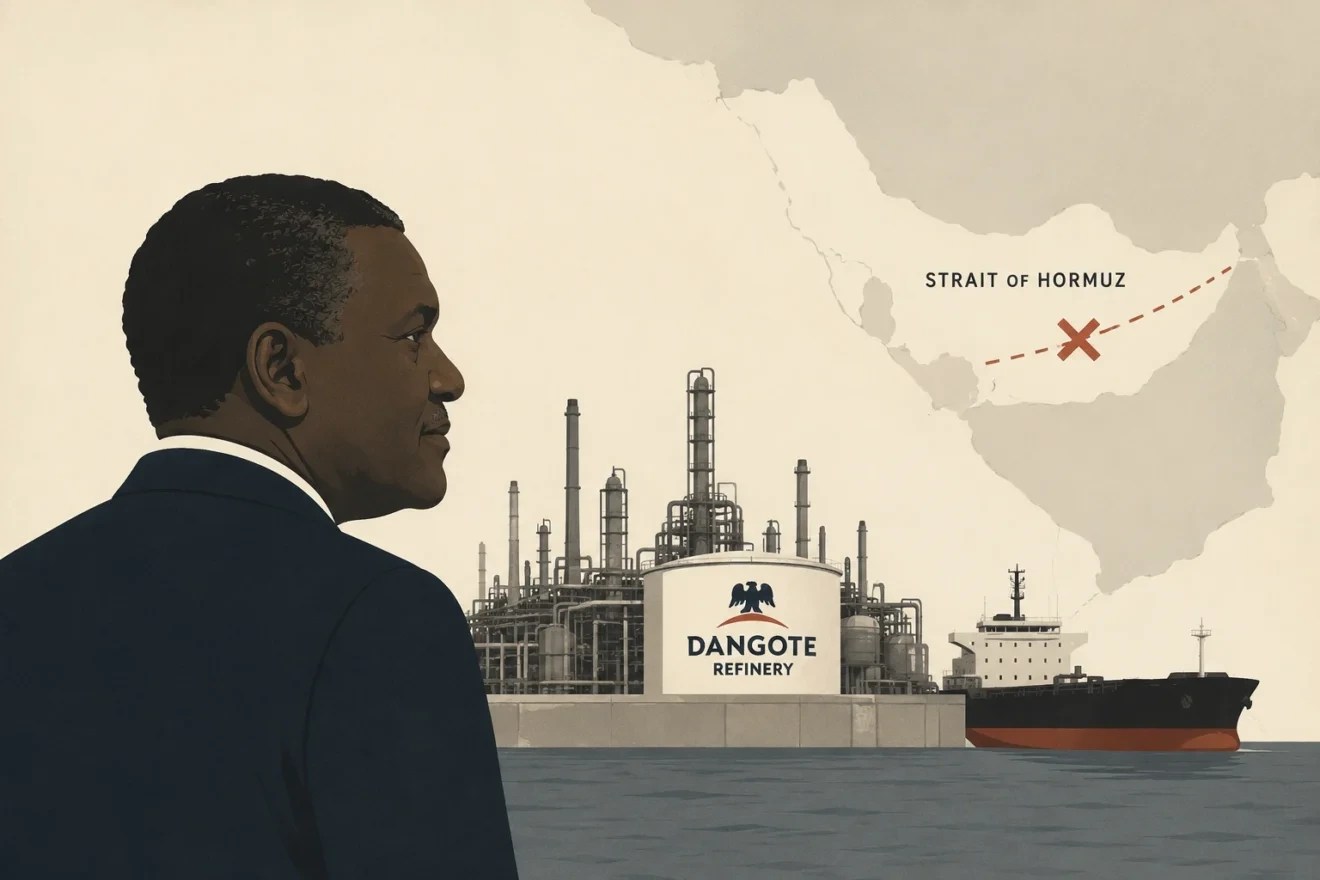
The Strait of Hormuz, through which roughly one-fifth of the world’s oil passes, has become the latest flashpoint in the escalating confrontation between US and Iran.
According to reports, US forces carried out another wave of strikes against Iranian targets overnight after Iran allegedly targeted commercial oil tankers with cruise missiles. The latest escalation follows President Donald Trump’s decision last week to resume military action against Iran in response to attacks on commercial shipping.
Investor anxiety intensified after Trump announced plans to reinstate a naval blockade against Iran and impose a 20% fee on cargo transiting the contested waterway.
The renewed surge in crude prices has also rippled through global financial markets. US equities ended Monday lower, with the S&P 500 falling 0.8% while the Nasdaq Composite declined 1.6%, reflecting investor concerns that higher energy prices could reignite inflationary pressures and complicate central banks’ interest-rate decisions.
Oil prices had retreated after the US and Iran agreed on June 17 to extend their ceasefire and reopen the Strait of Hormuz. However, the latest military escalation has reversed those gains.
If tensions continue to escalate or shipping through the Strait of Hormuz becomes significantly disrupted, crude prices could remain elevated, adding fresh pressure on fuel costs, transportation expenses and consumer prices worldwide.