Nigeria has recorded its strongest crude oil production in more than six years, surpassing its production quota under the Organisation of the Petroleum Exporting Countries (OPEC) for the second consecutive month. While the milestone marks a significant operational recovery for Africa’s largest oil producer, it also raises a more important question: Will higher production improve Nigeria’s economy, or is the country simply producing more barrels without solving its deeper fiscal and energy challenges?
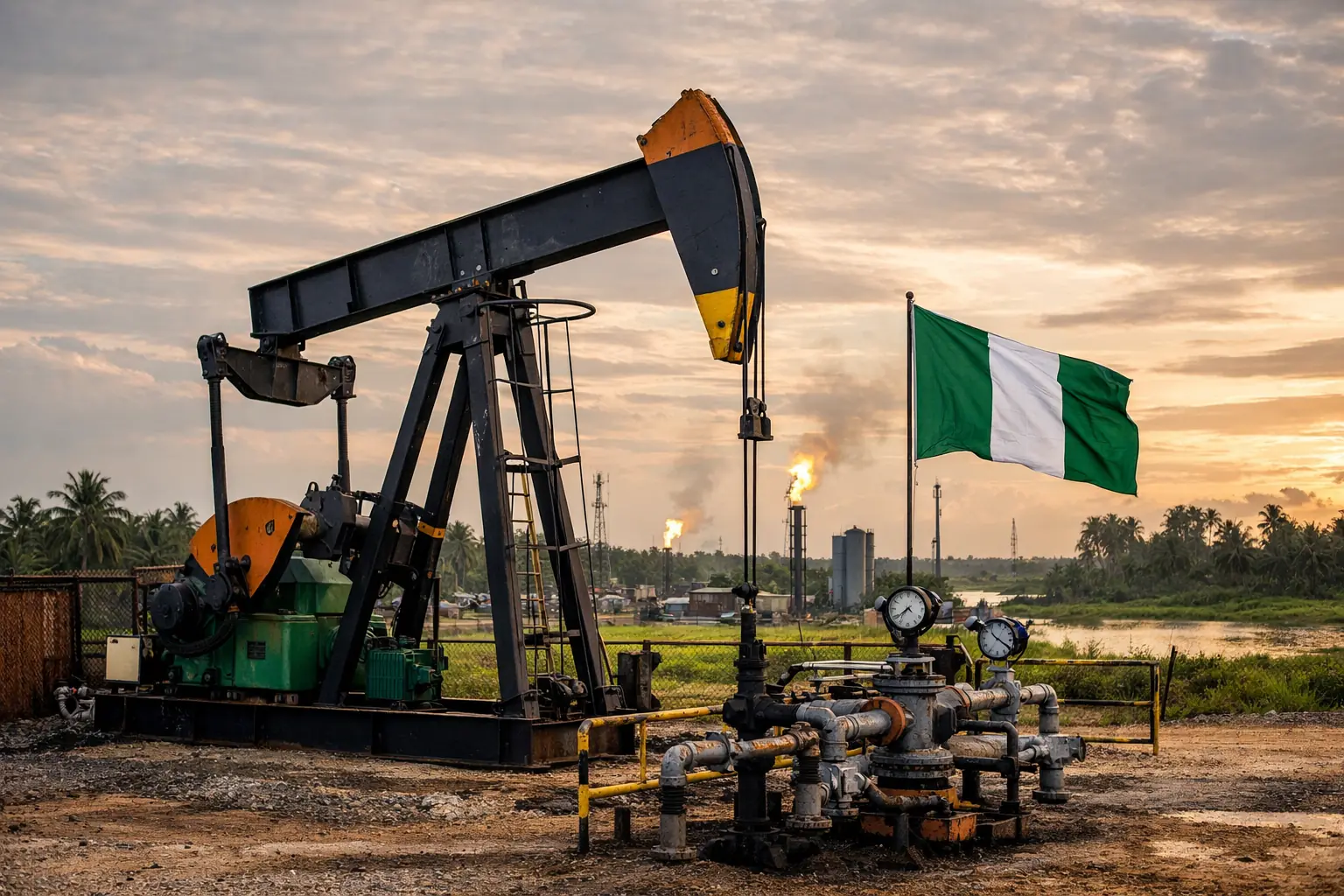
According to data released by the Nigerian Upstream Petroleum Regulatory Commission (NUPRC), Nigeria produced an average of 1.56 million barrels of crude oil per day (mbpd) in June 2026. Combined with approximately 180,000 barrels per day of condensates, total liquids production reached 1.735 million barrels per day, extending a four-month streak of rising output.
The crude oil figure places Nigeria at 104 percent of its 1.5 mbpd OPEC quota, making June the country’s highest crude production month since April 2020.
A Welcome Recovery—But Not the Full Story
The latest figures reflect improvements in operational stability, fewer pipeline disruptions and stronger output from major export terminals including Bonny and Forcados.
For an industry that has spent years battling crude theft, pipeline vandalism and declining investment, the numbers suggest that government efforts to secure oil infrastructure are beginning to yield results. The NUPRC has recently intensified partnerships with security agencies and other institutions to protect oil and gas assets and improve production reliability.
However, production alone tells only part of the story.
For investors, economists and fiscal planners, the more important questions are whether increased output will generate significantly higher revenue, improve foreign exchange liquidity and help Nigeria meet the assumptions underpinning its 2026 budget.
Although Nigeria exceeded its OPEC quota, the country’s fiscal outlook still depends heavily on international crude prices, production costs and the share of oil revenues accruing to government after contractual obligations.
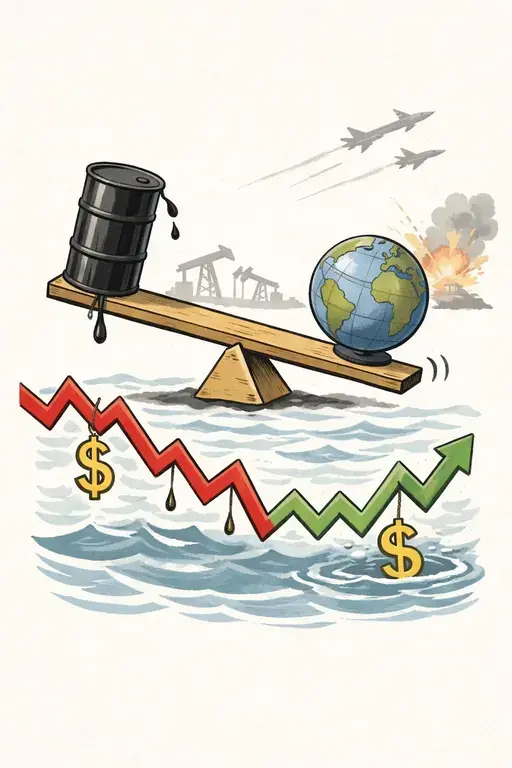
In other words, producing more barrels does not necessarily translate into proportionately higher earnings. If oil prices weaken or production costs remain elevated, the financial benefit of additional output could be far smaller than headline production figures suggest.
Industry observers therefore argue that the Federal Government should disclose how much additional revenue June’s production generated compared with previous months, rather than focusing solely on output volumes.
Nigeria Is Still Below Its Own Budget Target
Perhaps the biggest omission from discussions around the latest production figures is that Nigeria remains below the production benchmark used to prepare the 2026 Federal Budget.
The budget assumes average production of about 1.84 million barrels per day, meaning June’s combined production of 1.735 million barrels per day still falls short by more than 100,000 barrels daily.
That shortfall matters because oil exports remain one of the Federal Government’s largest revenue sources. If production remains below budget assumptions for an extended period, Nigeria could continue facing revenue gaps despite meeting its OPEC allocation.
The NUPRC describes June as the fourth consecutive month of production growth. While encouraging, analysts caution that Nigeria has experienced similar recoveries before, only for production to decline again because of pipeline attacks, maintenance disruptions or renewed oil theft.
The critical question is therefore not whether Nigeria reached 1.56 million barrels in June, but whether it can sustain or improve on that level throughout the remainder of the year. Maintaining production consistency is likely to matter more to investors than achieving occasional monthly highs.
The regulator attributes much of the improvement to uninterrupted operations and fewer infrastructure disruptions. Yet there remains little publicly available data showing how much crude theft has actually declined compared with previous years.
Security experts say a lasting production recovery will depend on continued protection of pipelines, stronger community engagement and sustained enforcement against illegal refining networks. Without those structural improvements, production gains could prove temporary.
What Does This Mean for Dangote Refinery?
Another issue attracting growing attention is domestic crude supply.
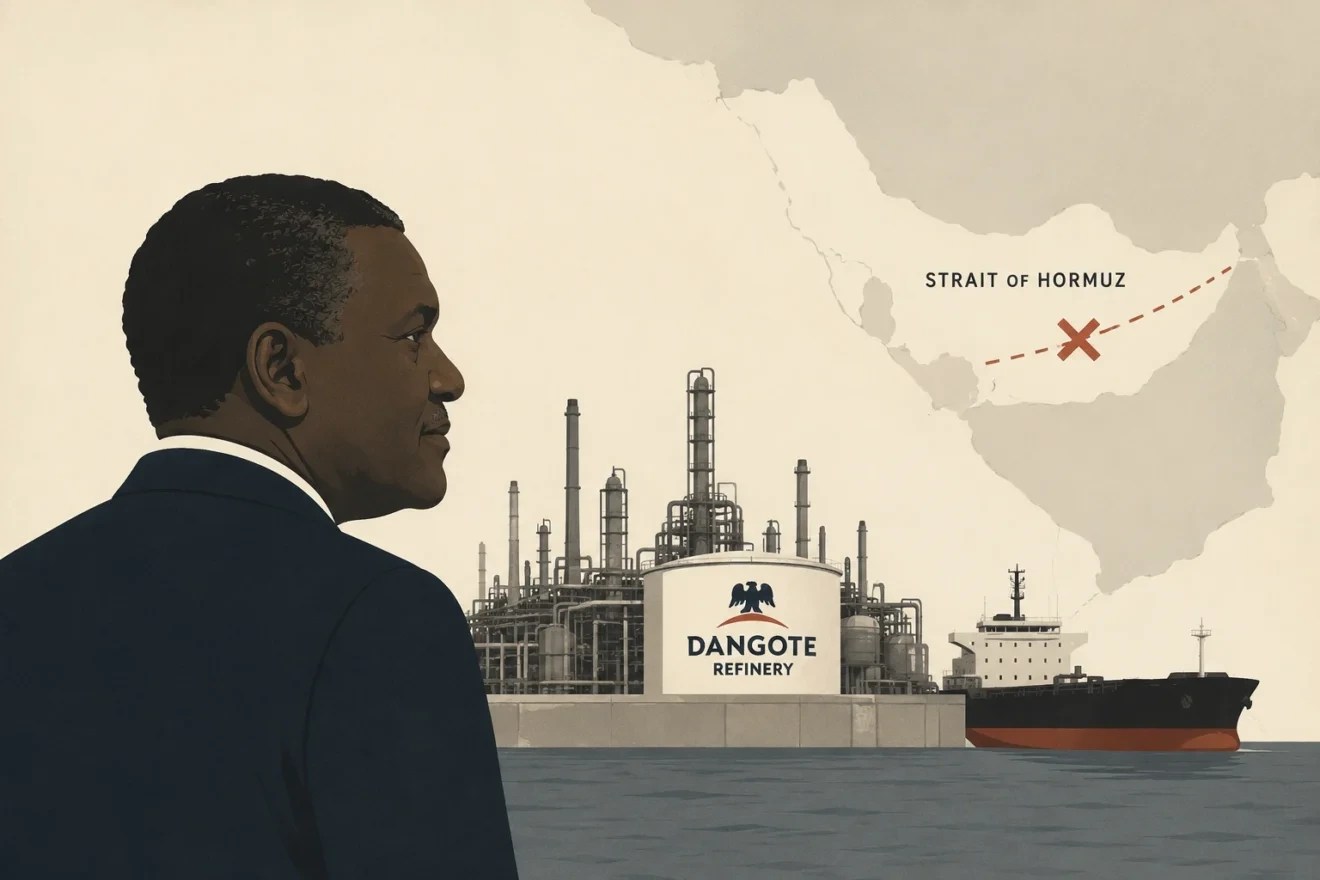
Nigeria now has one of the world’s largest single-train refineries in operation, yet the Dangote Refinery has repeatedly sought greater access to locally produced crude to reduce dependence on imports. Earlier this year, NNPC increased the number of crude cargoes allocated to the refinery, although reports indicated supplies still remained below its full requirements.
NUPRC data also show that while producers allocated substantial crude volumes to domestic refineries, actual deliveries have lagged behind allocations, highlighting continuing implementation challenges under Nigeria’s Domestic Crude Supply Obligation framework.
For policymakers, ensuring that rising crude production supports domestic refining may prove just as important as increasing exports. For households and businesses, the answer is less straightforward.
Higher crude production does not automatically reduce petrol prices because domestic fuel costs remain closely linked to international crude prices, exchange rates and refining economics.
Similarly, increased oil production alone is unlikely to lower inflation or strengthen the naira unless it significantly boosts export earnings, government revenues and foreign exchange reserves over a sustained period.
Looking Ahead
June’s production figures represent one of the strongest signs yet that Nigeria’s upstream petroleum sector is recovering after years of underperformance.

But the country’s success should not be measured solely by whether it exceeds an OPEC quota. The more meaningful indicators will be whether higher production:
- closes the gap between actual output and the Federal Government’s budget assumptions;
- generates materially higher government revenue;
- improves foreign exchange inflows and fiscal stability;
- ensures reliable crude supply to domestic refineries;
- attracts fresh upstream investment; and
- ultimately delivers measurable economic benefits to businesses and ordinary Nigerians.
Until those outcomes become evident, June’s production milestone should be viewed as an important operational achievement—one that offers renewed optimism but not yet definitive proof that Nigeria’s broader oil sector challenges have been resolved.