A coalition of environmental organisations has filed a lawsuit against TotalEnergies in a French civil court, seeking access to environmental documents related to the company’s planned sale of its 10% stake in a major Nigerian onshore oil venture formerly operated by Shell to Vaaris.
The lawsuit, led by Friends of the Earth France and supported by other non-governmental organisations, was filed on Wednesday under France’s corporate duty of vigilance law, which requires large companies to identify and mitigate environmental and human rights risks associated with their operations.
At the centre of the dispute is TotalEnergies’ proposed divestment of its stake in the joint venture formerly known as Shell Petroleum Development Company (SPDC), now renamed Renaissance. The company announced in January that it had agreed to sell its interest to Nigerian energy firm Vaaris, although the transaction is yet to receive regulatory approval in Nigeria.
The environmental groups are seeking disclosure of environmental management plans contained in the sale agreement. They argue that the documents are necessary to determine whether TotalEnergies has adequately addressed its environmental responsibilities before exiting the asset.
If the plans are found to be insufficient, the organisations say they could pursue a second legal action asking the French court to compel the company to adopt stronger environmental remediation measures.
Niger Delta Environmental Degradation
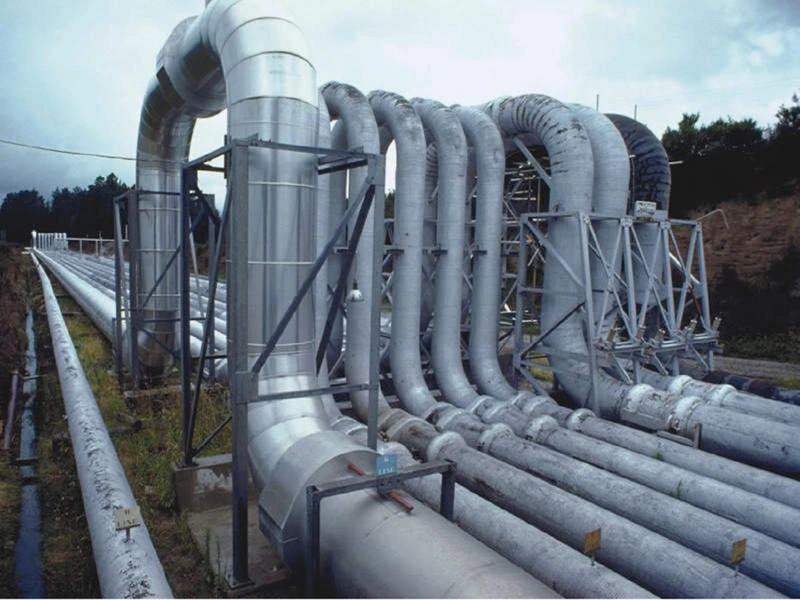
The oil asset has long been associated with environmental degradation in Nigeria’s Niger Delta, where thousands of kilometres of pipelines have experienced repeated oil spills caused by crude oil theft, pipeline sabotage and operational failures. The pollution has generated costly clean-up efforts, litigation and mounting pressure on international oil companies operating in the region.
Speaking during the company’s annual shareholder meeting in May, TotalEnergies Chief Executive Patrick Pouyanné said persistent oil theft was the primary reason for the company’s decision to divest from the asset.
He argued that widespread sabotage had made continued operations increasingly difficult, describing the situation as one in which criminal groups routinely punctured pipelines to steal crude oil.
Pouyanné also said TotalEnergies would remain responsible for pollution incidents confirmed during its ownership period, while responsibility for future environmental incidents would pass to the acquiring company after completion of the sale.
Environmental organisations remain unconvinced. They argue that buyers of onshore oil assets in Nigeria may lack the financial capacity to address future environmental liabilities.
Recent Niger Delta Oil Divestments
Their concerns have been reinforced by recent industry transactions. Shell completed the sale of its 30% stake in the same venture to Renaissance Africa Energy Company earlier this year, while Italian energy company Eni is also seeking to divest its remaining 5% interest. Reports indicate Shell provided financing support to facilitate Renaissance’s acquisition.
Ken Henshaw, Executive Director of Niger Delta-based advocacy group We the People, said previous divestments have focused primarily on sustaining oil production rather than ensuring comprehensive environmental remediation.
Before approving TotalEnergies’ sale, the Nigerian Upstream Petroleum Regulatory Commission (NUPRC) is expected to assess whether Vaaris possesses the technical expertise and financial capacity to operate the asset safely while meeting environmental obligations.

Together, TotalEnergies, Eni and Renaissance Africa Energy currently hold a combined 45% interest in the Renaissance joint venture, while the Nigerian National Petroleum Company (NNPC) owns the remaining 55%.
Neither TotalEnergies, Vaaris nor the Nigerian Upstream Petroleum Regulatory Commission had commented publicly on the lawsuit at the time of reporting.SEO Assets