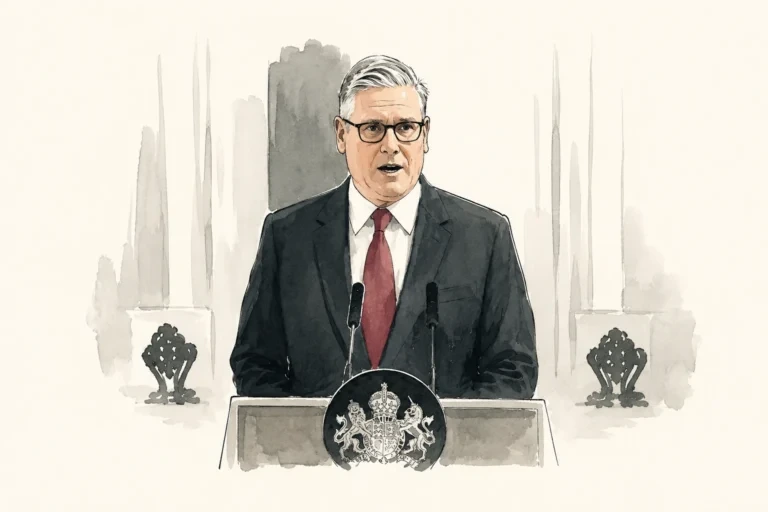
The resignation of UK Prime Minister Keir Starmer on Monday followed months of mounting political pressure that ultimately eroded his authority within the governing Labour Party and among the British public.
Starmer’s departure comes less than two years after he led Labour to a landslide general election victory, making him one of the shortest-serving prime ministers in modern British history. Political analysts say a combination of electoral setbacks, policy reversals, internal party unrest and declining public support created a crisis from which his premiership never recovered.
Crushing Election Losses
The immediate catalyst for Starmer’s downfall was Labour’s poor performance in the 2026 local elections. The party suffered heavy losses across England, Scotland and Wales, including losing control of key councils and suffering a historic defeat in Wales.
The results sparked panic among Labour lawmakers, many of whom feared the party was heading toward a major defeat at the next general election.
Following the elections, more than 70 Labour MPs publicly urged him to step down, while ministerial aides resigned in protest against his leadership. (
Starmer’s authority steadily weakened as influential party figures openly questioned his ability to lead.
Senior Labour politicians argued that the government lacked direction and struggled to communicate a compelling vision to voters. The rebellion gained momentum after prominent regional leaders and MPs began openly discussing potential successors.
Policy U-turns and ‘Lack of direction’
One of the most persistent criticisms of Starmer’s government was its tendency to reverse or soften major policy positions.
Political commentators and opposition figures accused the government of lacking ideological clarity and a coherent long-term agenda. Several people described Starmer’s administration as increasingly “directionless,” with policy reversals undermining public confidence and creating uncertainty within the Labour Party.
Public frustration over the cost-of-living crisis, economic pressures and perceptions that Labour was failing to deliver meaningful change contributed to declining approval ratings as critics said the government struggled to meet expectations created by Labour’s 2024 election victory.
The rise of Nigel Farage’s Reform UK also highlighted growing voter dissatisfaction with the traditional political establishment and further weakened Labour’s electoral position.
Controversies
Among the most damaging was criticism surrounding the appointment of Peter Mandelson to a senior diplomatic role despite scrutiny over his historical links to convicted sex offender Jeffrey Epstein. The controversy triggered internal backlash and contributed to resignations among senior advisers and party officials.
Labour also faced criticism over welfare reforms, immigration policy and broader questions about government competence, further eroding confidence in Starmer’s leadership.
The political pressure on Starmer intensified following the return of Andy Burnham to Westminster politics.
Burnham’s growing popularity within Labour quickly transformed him into a credible alternative leader. His parliamentary victory last week was widely viewed as a turning point in Labour’s leadership crisis and accelerated calls for change at the top.

In his resignation statement, Starmer said he had heard the message from Labour MPs and accepted that the party wanted new leadership. He will remain prime minister until a successor is chosen through a Labour leadership contest expected to conclude later this year.
His resignation marks the culmination of a months-long political crisis driven by electoral defeats, internal party divisions, policy uncertainty and declining public confidence, bringing an abrupt end to a premiership that began with enormous expectations but ultimately failed to maintain the support needed to survive.