There were fresh Israeli strikes on southern Lebanon on Friday, leaving at least 18 people dead and dozens injured, while the Israeli military reported the deaths of four soldiers in clashes with Hezbollah, raising concerns about the durability of a recently announced US-Iran peace agreement.
According to Lebanon’s Health Ministry, a series of overnight Israeli air strikes across the Nabatieh district killed 18 people and injured 33 others. Lebanon’s state-run National News Agency described the bombardment as one of the most intense attacks in the area since the conflict began.
The Israeli military said the strikes targeted Hezbollah militants and infrastructure linked to the Iran-backed group. Israel has maintained that military operations against Hezbollah remain separate from its broader conflict with Iran.
The escalation came just one day after the United States and Iran signed a landmark agreement aimed at ending hostilities across the Middle East, including a permanent cessation of fighting in Lebanon. Despite the accord, both Israel and Hezbollah have continued exchanging attacks, casting doubt on prospects for a lasting truce.
The latest clashes underscore the fragile security situation in Lebanon, which became embroiled in the wider regional conflict after Hezbollah launched attacks on Israel in response to an earlier strike that killed Iran’s supreme leader. Israel subsequently intensified military operations in Lebanon, including a large-scale bombing campaign and ground incursions into the country’s south.
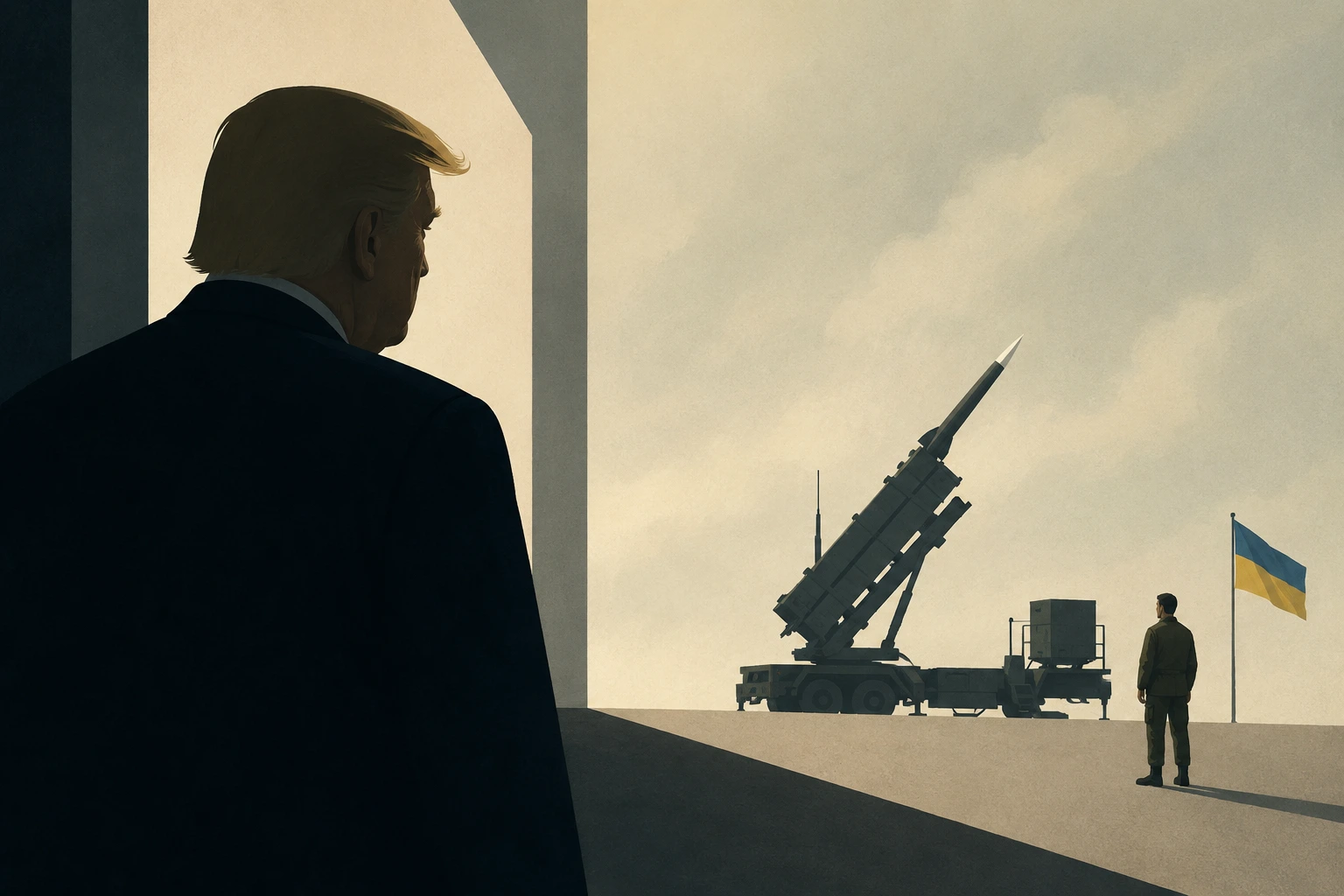
The renewed violence also threatens to deepen tensions between Israel and the United States. Israeli Prime Minister Benjamin Netanyahu is facing growing domestic pressure to continue military operations against Hezbollah, even as the administration of US President Donald Trump pushes for regional de-escalation.
US-Iran Ceasefire at Risk
The US-Iran agreement includes provisions related to Iran’s nuclear programme, sanctions relief, and a commitment by both sides to negotiate a broader settlement within 60 days, with the possibility of an extension.
However, uncertainty surrounding the deal increased after US Vice President JD Vance cancelled a planned trip to Switzerland for follow-up negotiations. Vance has publicly criticized some members of Netanyahu’s cabinet for opposing the agreement.

Speaking to reporters, Vance questioned critics of the deal, arguing that military force alone could not resolve Israel’s long-term security challenges.
US officials have stated that while Lebanon is covered by the broader ceasefire framework, Israel retains the right to self-defense and is not obligated under the agreement to withdraw its forces from Lebanese territory.