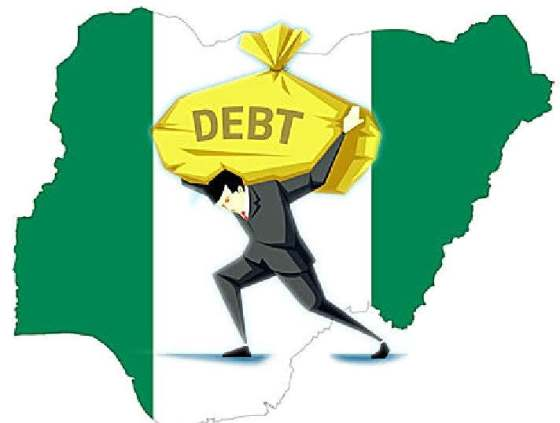
Nigeria’s public debt remains sustainable and the risk of debt distress is moderate, but the country faces mounting pressure from rising interest payments that are consuming a significant share of government revenue, according to the International Monetary Fund’s Resident Representative to Nigeria, Dr Christian Ebeke.
Speaking during an interview on Nigeria’s economic outlook following the IMF’s latest Article IV consultation, Ebeke said concerns over the country’s debt profile should focus less on the size of debt and more on the growing burden of servicing it.
“Our latest assessment in the Article IV that we just published on June 9 basically concludes that Nigeria’s debt is sustainable first, and second, the risk of sovereign stress is actually moderate,” Ebeke said.
“We don’t see Nigeria as a high-risk debt distress country. Actually, the risk is moderate.”
According to him, Nigeria’s debt-to-GDP ratio remains relatively low compared with many other countries, while the composition and maturity structure of the debt also provide important buffers against financial shocks.
“The debt-to-GDP ratio that you just showed is still very low. In the 30s, compared to many other countries, Nigeria has a low debt-to-GDP ratio,” he said.
“You have a good balance between domestic and foreign debt, and the debt is mostly long-term rather than very short-term. That helps Nigeria in terms of rollover risk and refinancing needs.”
However, Ebeke warned that the country’s interest-to-revenue ratio remains a major fiscal challenge.
“We estimate that in 2025 to 2028, the interest-to-revenue ratio is actually about 50 per cent,” he said.
“When you have more than 50 per cent of your tax collection devoted to repaying interest on your federal government debt, it leaves you very little room to pay for health, education, cash transfers, including security.”
IMF urges stronger domestic revenue mobilisation
To address the fiscal pressures, Ebeke said Nigeria must improve domestic revenue generation through stronger tax administration and implementation of recently enacted tax reforms.
“Our focus has been on ensuring that Nigeria has a very robust domestic revenue mobilisation plan that takes into account the realities of today — high inflation, high poverty and high food insecurity — while ensuring that the new tax laws are well implemented and enforcement is strong,” he said.
The IMF official also reiterated the Fund’s position that Nigeria may eventually need to raise additional revenue through measures such as higher Value Added Tax rates, expanding VAT coverage to fuel products and introducing telecom excise duties.
“Nigeria right now has the lowest VAT rate in the ECOWAS region, which is a fact,” Ebeke said.
“Unlike many other countries, Nigeria is not imposing VAT on fuel products. Nigeria also has a lot of tax exemptions and tax expenditures.”
He stressed, however, that any future tax increases must be accompanied by stronger social protection programmes and improved public service delivery.
“If you want to tax more, you have to equally provide to the population very good services and public goods,” he said.
“Our fiscal recommendation is balanced. We are not calling for an immediate increase in taxes. We are saying these increases should go hand in hand with progress in reaching out to the most vulnerable Nigerians.”
IMF raises concerns over $5bn Abu Dhabi financing deal
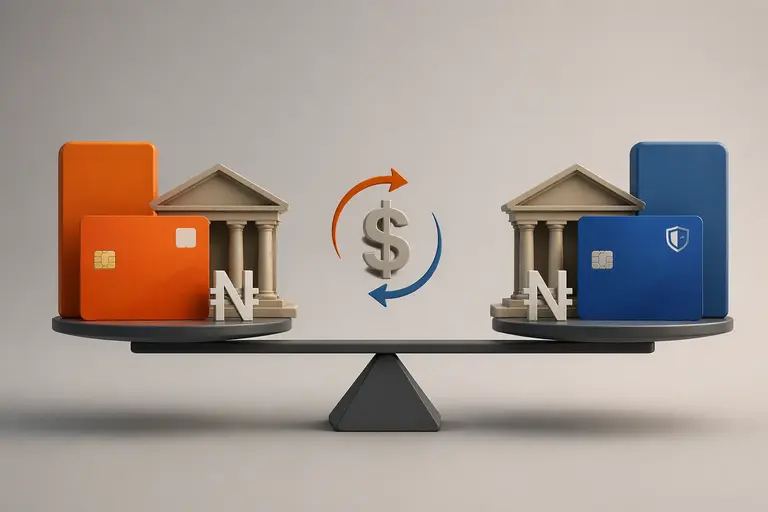
Ebeke also expressed concerns about Nigeria’s proposed $5bn total return swap transaction with the First Abu Dhabi Bank, describing such arrangements as potentially opaque and carrying hidden risks.
“We think that those transactions are usually opaque and complex,” he said.
“In the case of a downside scenario, they actually expose countries to expensive margin calls and then the true cost will be revealed.”
He noted that Nigeria still enjoys access to international capital markets and could raise funds through more transparent financing options.
“Nigeria retains market access. Nigeria can issue Eurobonds and can actually have a more transparent and less opaque way of raising funds,” he added.
Poverty remains a major concern
On poverty levels, Ebeke said economic reforms implemented since 2023 had coincided with rising inflation and food prices, worsening living conditions for many Nigerians.
“When I joined as Resident Representative in 2023, the poverty rate was about 47 per cent. It was already high,” he said.
“High inflation and high food inflation pushed a lot more people into poverty.”
Citing World Bank estimates, he noted that poverty levels had risen sharply, underscoring the need for a balanced reform agenda.
“It’s important to preserve macroeconomic stability because without it, poverty will increase even further,” Ebeke said.
“But equally important, you need social safety nets in place and fiscal policies that can reach the most vulnerable Nigerians.”
Electricity critical to economic growth
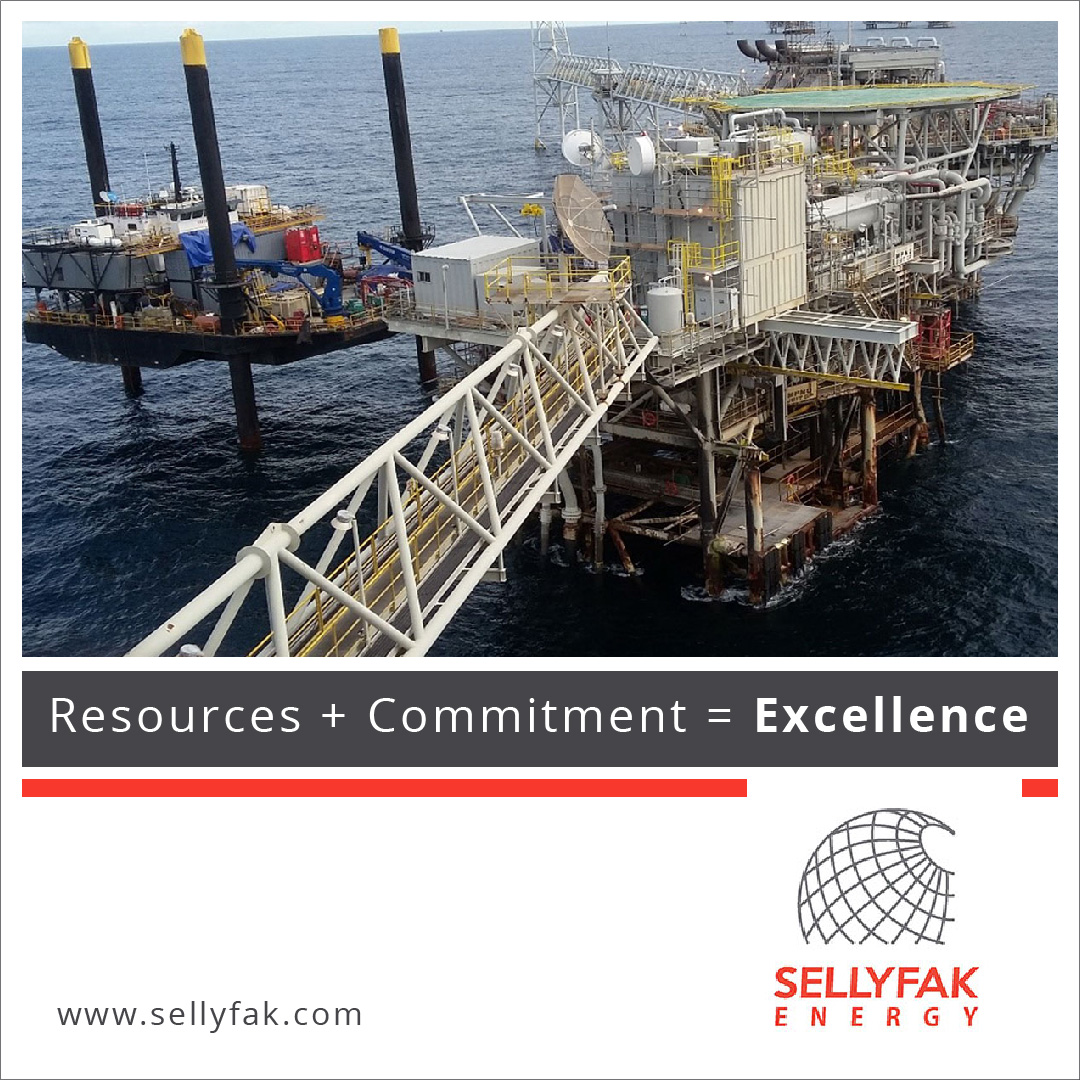
Ebeke also identified electricity supply as a key factor in improving productivity and helping Nigeria achieve its target of growing the economy by seven per cent annually.
“Electricity is the backbone for everything we do,” he said.
“The manufacturing sector needs reliable and cheap electricity, households need electricity, and the overall business environment is predicated on having affordable energy and available supply.”
He added that improving power supply would boost investment inflows and support broader economic development.
“Electricity is very important for Nigeria to think about seven per cent GDP growth in the medium term. It also helps attract foreign direct investment and many other things,” he said.