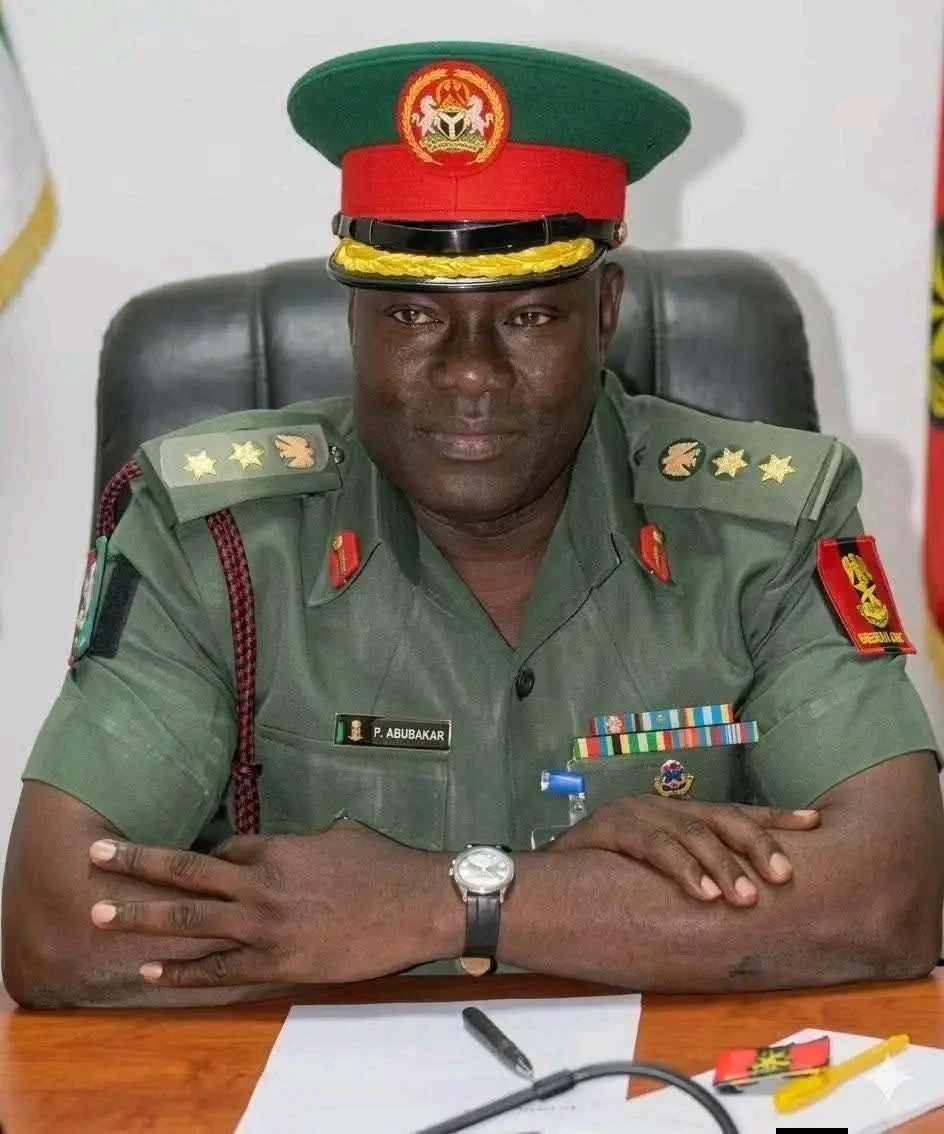
The Katsina State Government has confirmed the death of retired Major General Rabe Abubakar while in the custody of bandits, bringing a tragic end to months of efforts aimed at securing his release.
The development was announced on Saturday in a statement issued by the state’s Commissioner for Internal Security and Home Affairs, Dr. Nasiru Mu’azu, who disclosed that the retired senior military officer died from complications arising from diabetes and hypertension during captivity.
According to the commissioner, the state government and security agencies made sustained efforts to secure the former military spokesperson’s freedom, but the attempts ultimately proved unsuccessful.
“It is with profound sadness that we confirm the General’s death while in bandits’ captivity. Despite the relentless and concerted efforts of the State Government and various security agencies to secure his safe release, the situation ended in this tragedy,” the statement said.
The death of Major General Abubakar highlights the persistent threat posed by armed criminal groups operating in parts of northern Nigeria despite ongoing military operations aimed at dismantling bandit networks and securing the release of abducted victims.
Who Was Major General Rabe Abubakar?
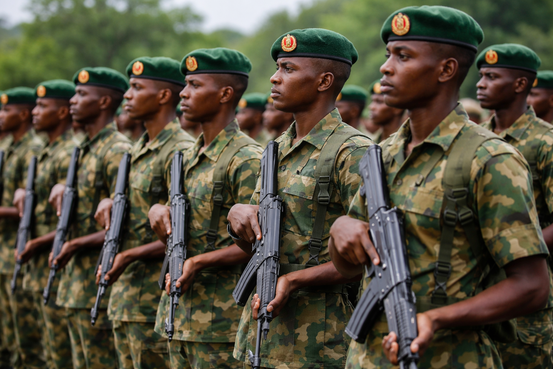
Major General Rabe Abubakar (retd.) was a distinguished officer of the Nigerian Army whose military career spanned several decades. He rose through the ranks to become one of the country’s most recognizable military spokespersons after his appointment as Director of Defence Information, where he served as the official voice of the Armed Forces of Nigeria.
In that role, he was responsible for communicating military operations, security policies, and strategic developments to the public during some of Nigeria’s most challenging security periods. His tenure coincided with intensified military campaigns against insurgent groups and other security threats, making him a familiar face in national security discussions.
Abubakar earned a reputation for professionalism and effective public communication, frequently engaging with journalists and stakeholders to provide updates on military operations and government security initiatives. His role helped bridge the information gap between the military establishment and the public, contributing to greater awareness of security developments across the country.
Following his retirement from active military service, he largely stayed away from public attention. News of his abduction, however, generated widespread concern within military circles and among security experts, who viewed the incident as a stark illustration of the growing insecurity affecting many parts of northern Nigeria.

His death in captivity has renewed debate over the worsening banditry crisis and the capacity of criminal groups to target individuals regardless of their status or background. Security analysts say the tragedy underscores the urgent need for stronger intelligence gathering, enhanced security coordination, and sustained efforts to dismantle criminal networks operating across the region.
Tributes have continued to pour in from former colleagues, public officials, and members of the military community, Major General Abubakar is being remembered as a dedicated officer who devoted much of his life to the service of Nigeria.