About 20,000 people in southern Iran have been left without access to drinking water after US strikes reportedly hit two reservoirs supplying local communities, according to Iranian state media.
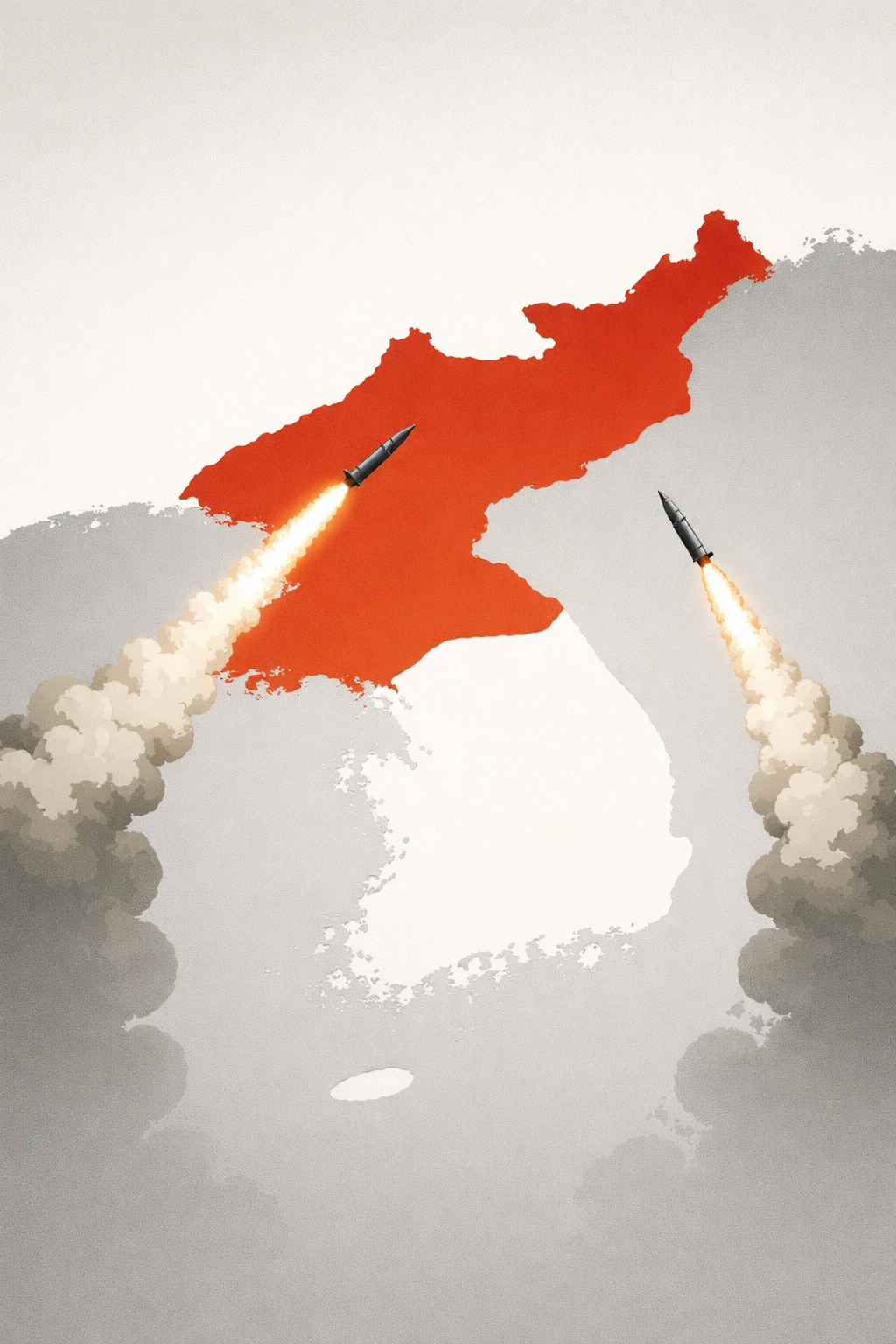
The reported disruption follows US attacks on the southern cities of Jask and Sirik, as well as Qeshm Island in the Strait of Hormuz. Washington said the strikes were carried out in response to Iran’s alleged downing of a US Army Apache helicopter over Gulf waters.
Iranian state television quoted local water officials as saying that the strikes damaged two reservoirs serving the Bemani and Kouhestak areas of Sirik town, severely affecting water supplies in the region.
“Unfortunately, following this attack, 20,000 residents of the region have lost access to safe drinking water, and with temperatures ranging between 45 and 50 degrees Celsius, conditions have become extremely difficult and critical for local inhabitants,” officials said.
The United States has not commented on the claim.
The reported damage marks the latest escalation in tensions between Washington and Tehran following a series of military exchanges in and around the Strait of Hormuz.
US officials have described recent strikes against Iranian military and surveillance sites as a proportional response to the alleged downing of an American Apache helicopter. Iran has denied responsibility for the incident and accused Washington of further destabilising the region.
Renewed Military Action
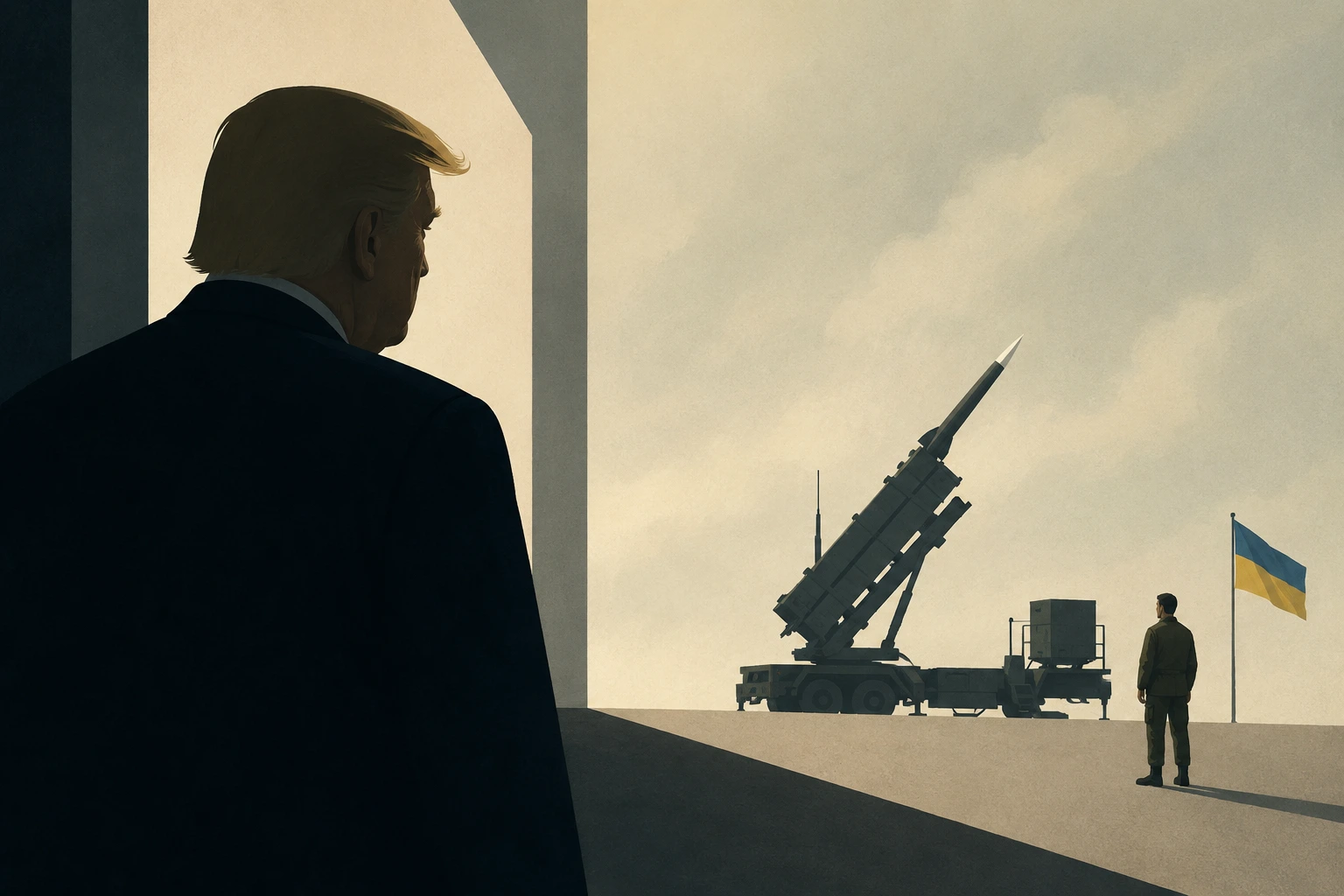
President Donald Trump has signalled that additional military action remains possible, warning that Iran would “pay the price” for failing to reach an agreement with the United States.
The growing conflict has sparked international concern, with United Nations Secretary-General António Guterres warning that the Middle East risks sliding into a wider war if hostilities continue.
The confrontation is also impacting global energy markets, with disruptions around the Strait of Hormuz raising concerns about oil supplies and international shipping.

Diplomatic efforts remain underway, with reports indicating that Qatari mediators have travelled to Tehran in an attempt to revive negotiations and reduce tensions between the two countries.
As military exchanges continue and peace talks face mounting challenges, concerns are growing over the humanitarian consequences of the conflict, particularly for civilians caught in the crossfire.