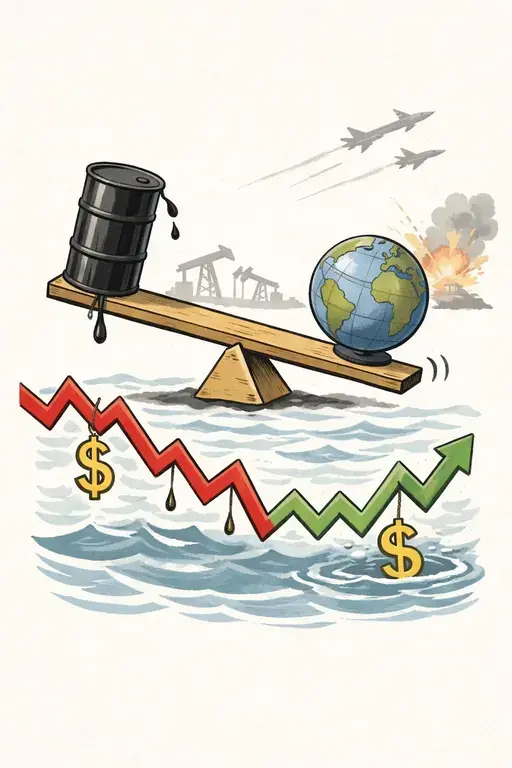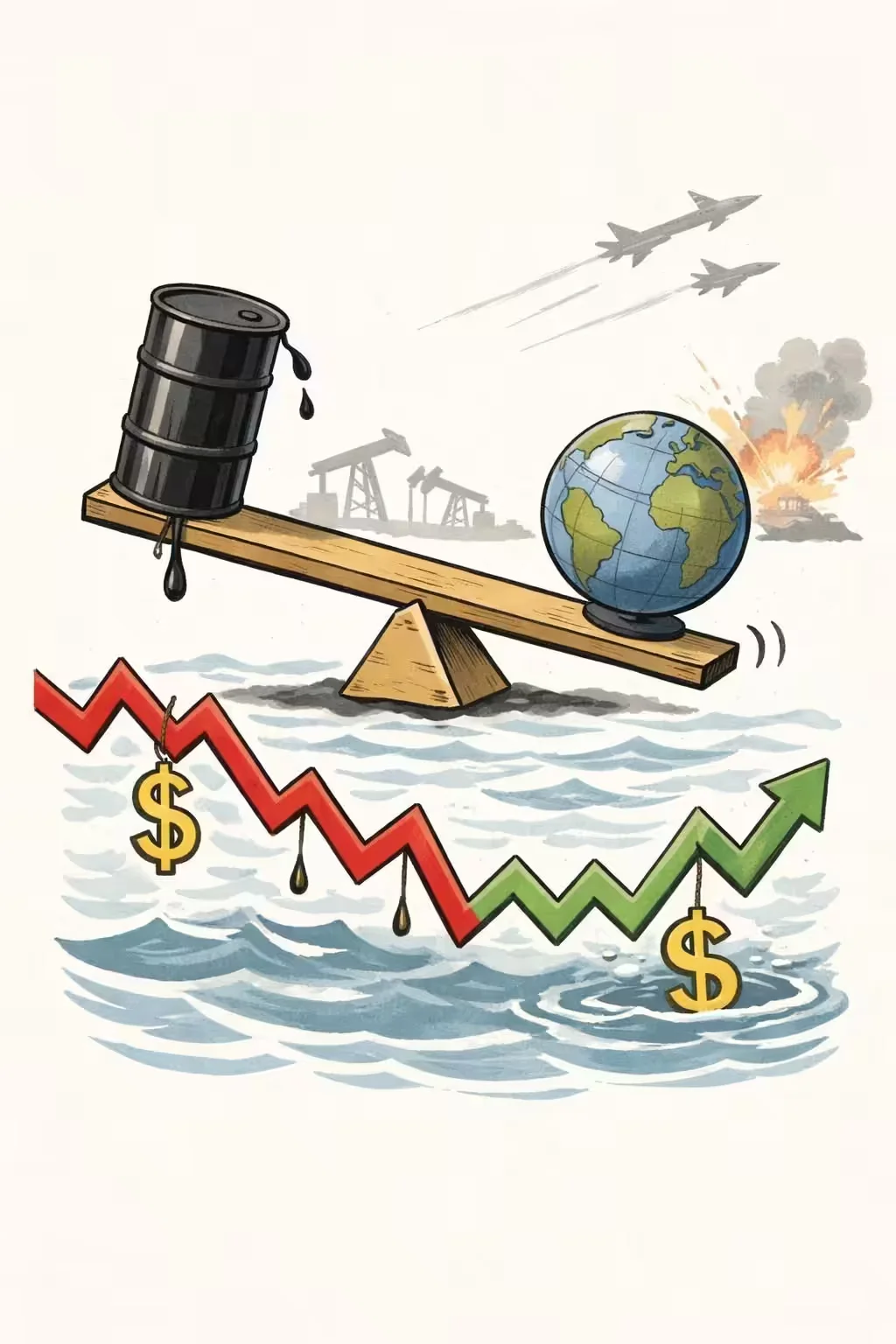
Brent crude oil prices fell sharply on Tuesday, slipping below $91 per barrel as traders unwound a geopolitical risk premium that had supported prices for much of the year amid tensions in the Middle East.
The global oil benchmark traded between $90.87 and $91.70 per barrel during the session, extending losses from last week’s highs and marking one of its steepest daily declines in recent weeks.
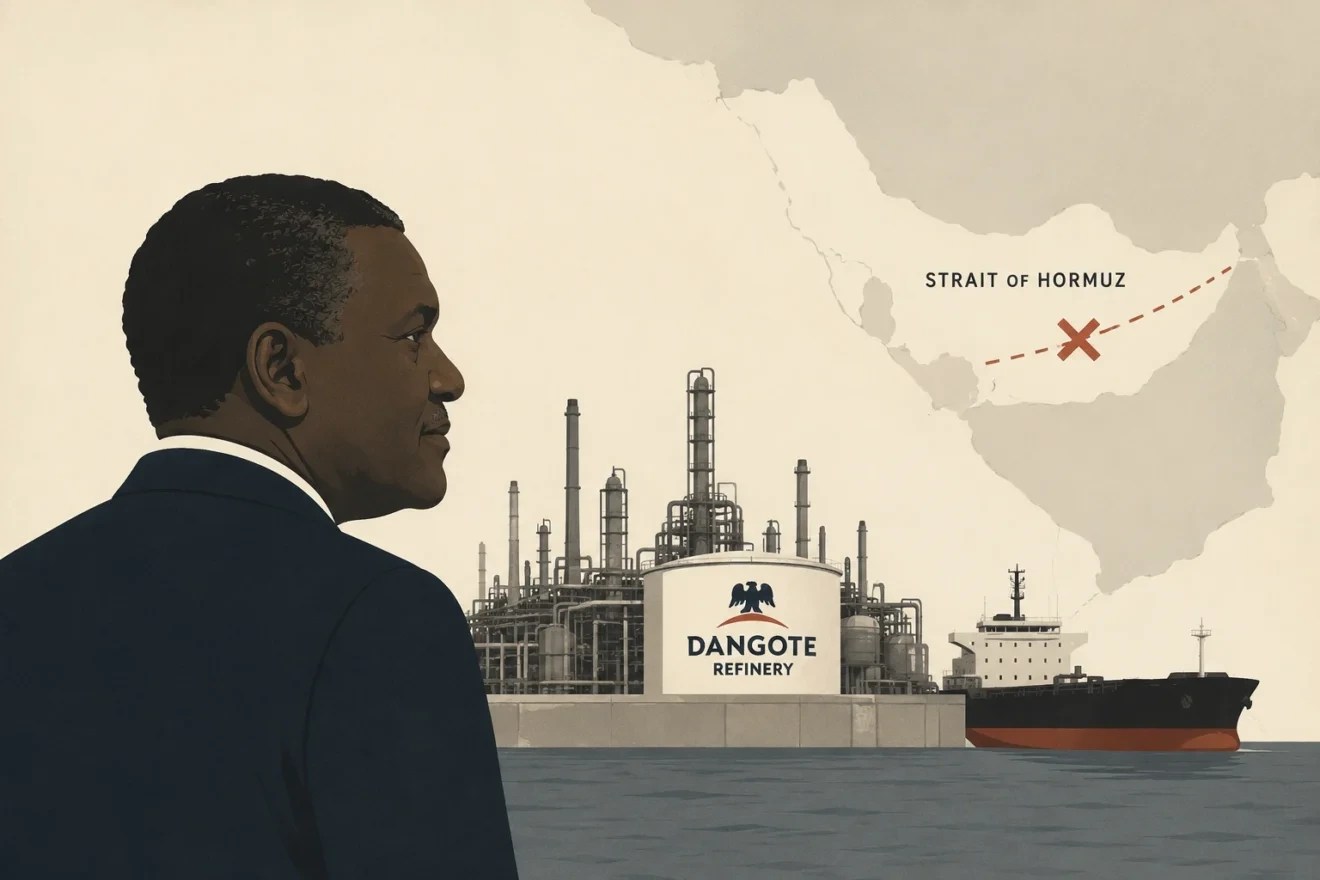
The move comes as markets respond to signs of de-escalation between Iran and Israel, reducing fears of disruptions to energy supplies moving through the Strait of Hormuz, one of the world’s most strategically important oil transit routes. The sell-off reflects a broader recalibration of risk across energy markets.
From Geopolitical Spike to Risk Repricing
Oil markets have experienced extraordinary volatility throughout 2026. Brent climbed steadily during the second quarter as concerns mounted over regional conflict and the possibility of supply interruptions affecting Gulf exports.
The benchmark’s recent trajectory illustrates the rapid shift in market sentiment having traded between $91 – $94.98 per barrel in June so far.
At its June peak, Brent was approaching levels that many analysts believed reflected a significant geopolitical premium rather than underlying market fundamentals.
The latest price decline is likely to intensify attention on future OPEC+ production decisions as the alliance has spent much of the past two years balancing efforts to support prices against concerns over losing market share to non-OPEC producers.
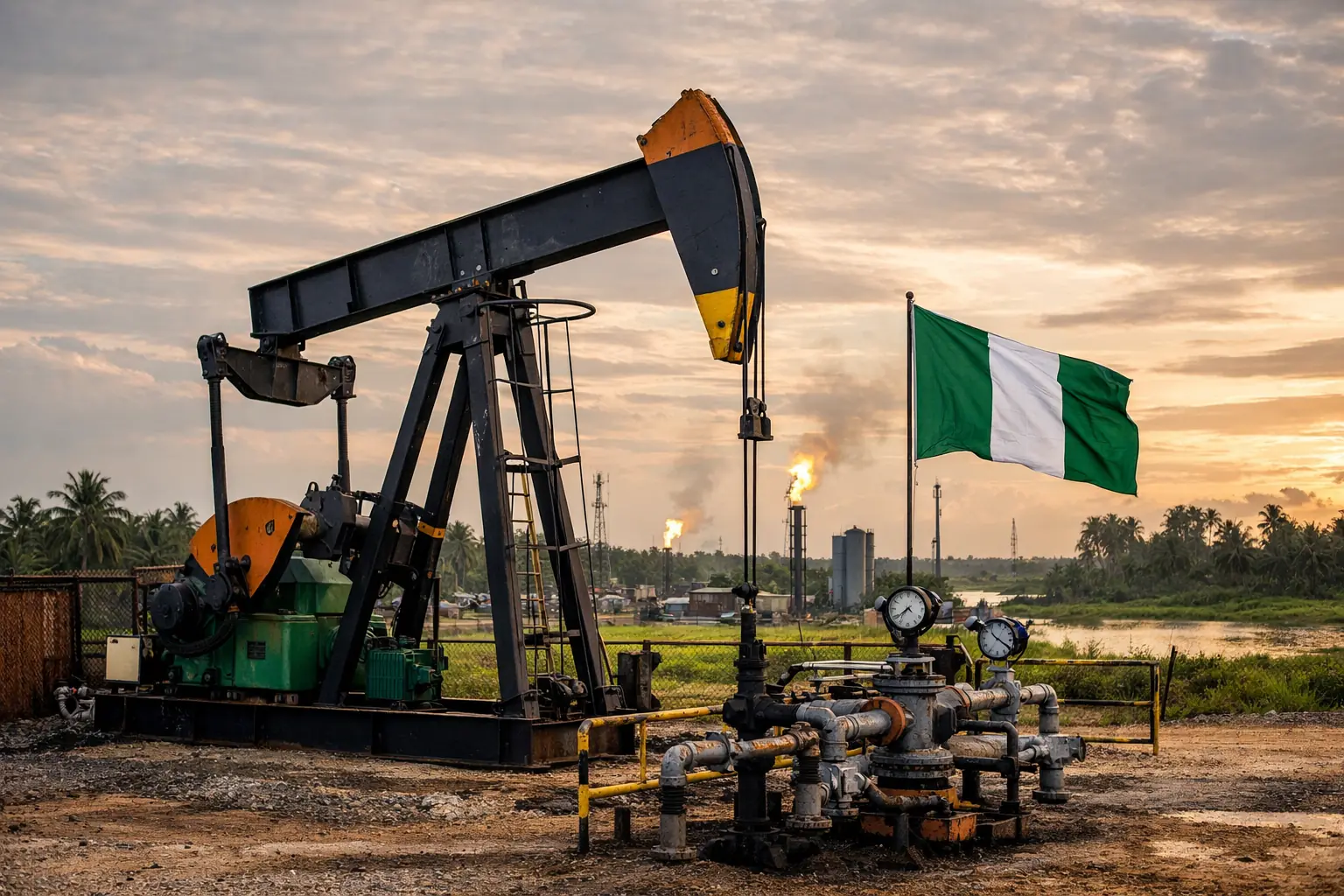
For oil-dependent economies, including Nigeria, Brent’s trajectory remains particularly important.
Higher crude prices support government revenues, strengthen export earnings and improve foreign exchange inflows. Conversely, sustained declines could complicate fiscal planning and weaken external balances, especially for countries still navigating currency and debt challenges.
Strait of Hormuz Deadlock Persists
Concerns surrounding the Strait of Hormuz have been a defining feature of oil markets this year.
The waterway carries roughly one-fifth of global petroleum consumption and remains a critical artery for crude exports from major producers including Saudi Arabia, Iraq, Kuwait, the United Arab Emirates and Iran.
Even temporary threats to shipping in the region as it has been witnessed so far can trigger sharp movements in oil prices, given the limited availability of alternative export routes.
SEO Keywords: