A fragile ceasefire between Israel and Iran came under severe strain on Monday after both countries exchanged fresh attacks, raising fears of a renewed escalation across the Middle East.
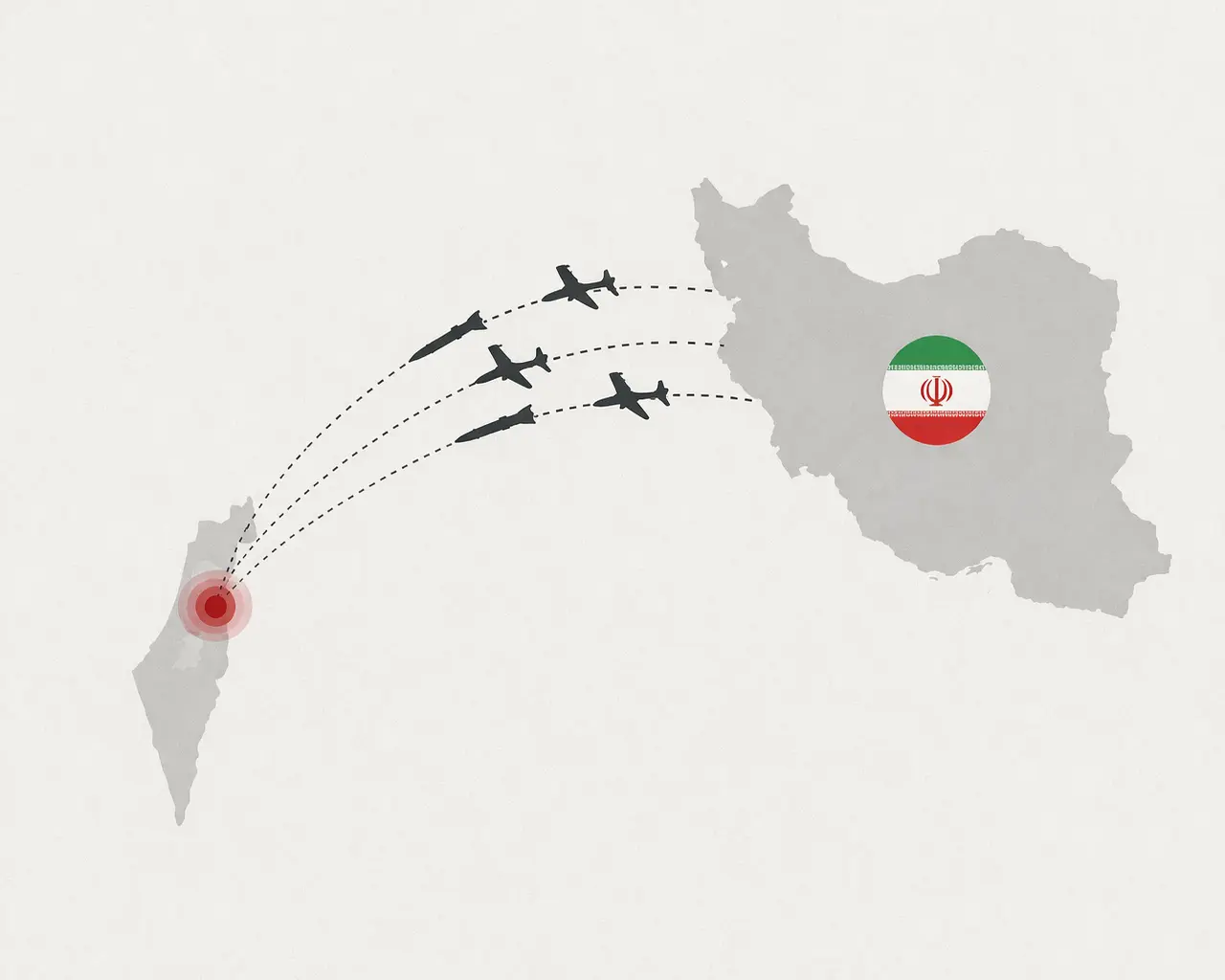
According to multiple reports, Iran launched several missile barrages toward Israel, marking the most significant direct exchange of fire since an April ceasefire halted weeks of fighting. Israel responded with airstrikes targeting military installations in central and western Iran, including missile-launch infrastructure and air-defense systems.
Missile Attacks and Retaliatory Strikes
Israeli military officials said Iran fired multiple waves of missiles toward Israeli territory, triggering air-defence interceptions and air raid alerts. In response, Israeli warplanes struck targets in and around major Iranian cities, including areas near Tehran, Isfahan, Tabriz, and Kermanshah.
Reuters reported that Israel also struck Iran’s Mahshahr petrochemical complex, marking the first direct attack on an Iranian energy facility since the April ceasefire. Iran retaliated by targeting locations in Israel, including a petrochemical facility in Haifa.
Diplomatic Efforts Under Pressure
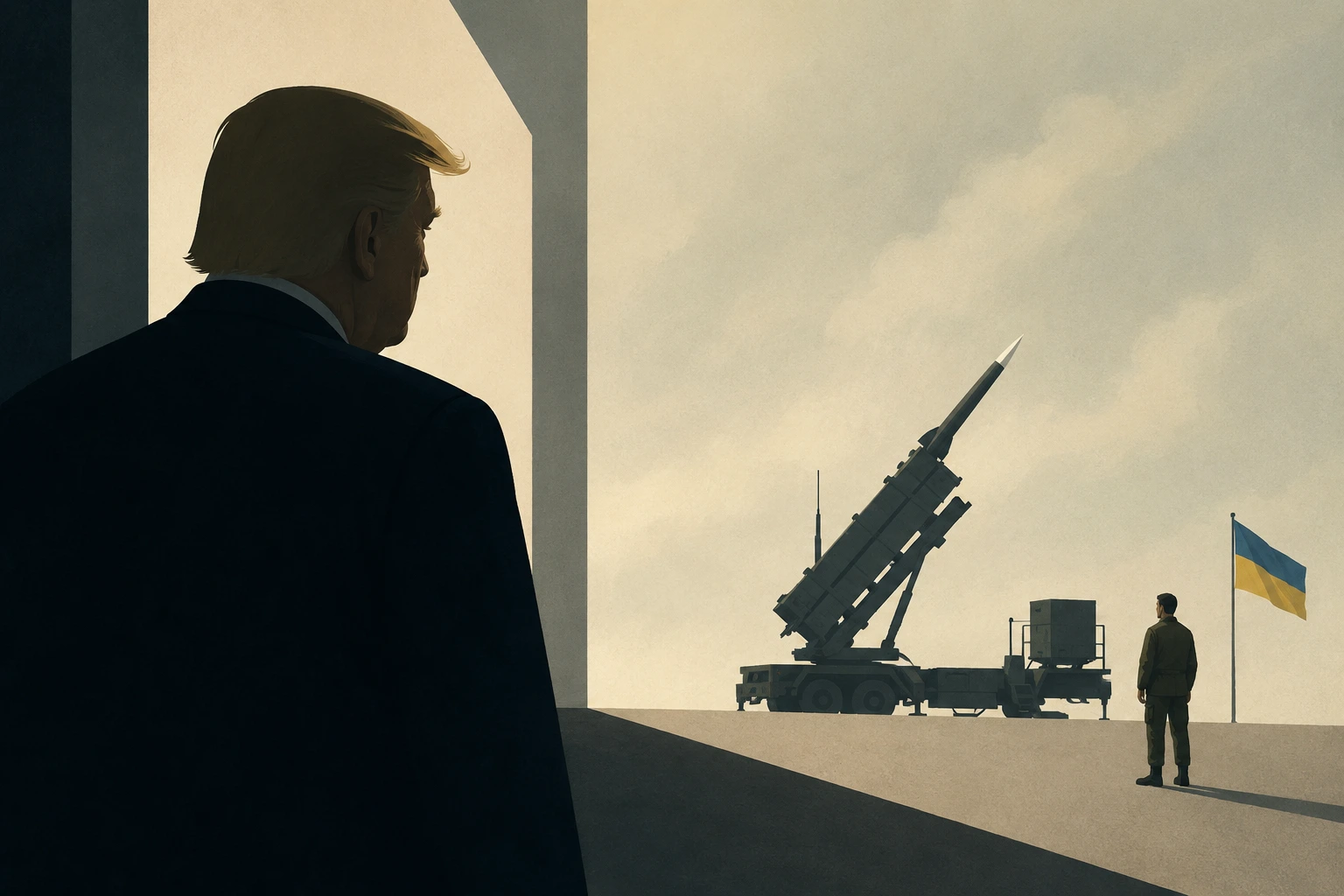
The renewed hostilities have complicated ongoing diplomatic efforts aimed at preserving the ceasefire and preventing a broader regional conflict. Reports indicate that U.S. President Donald Trump held discussions with Israeli Prime Minister Benjamin Netanyahu and publicly called on both sides to halt further attacks.
Iran has accused the United States of bearing responsibility for ceasefire violations, arguing that Washington, as a guarantor of the truce, must restrain Israeli military actions.
Regional Risks Grow
The latest confrontation has also widened regional concerns. Yemen’s Iran-aligned Houthi movement announced renewed attacks linked to the conflict and threatened Israeli-linked shipping in the Red Sea, raising fears of disruptions to global trade routes.

Oil markets reacted nervously to the developments, with energy traders closely monitoring the potential impact on supply routes and regional stability. Analysts warn that any sustained escalation could have significant consequences for global energy prices and shipping.
Military officials on both sides have signaled that further fighting remains possible. The Israeli military has reportedly prepared for several more days of operations, while Iran has warned that additional retaliation could follow if Israeli strikes continue.