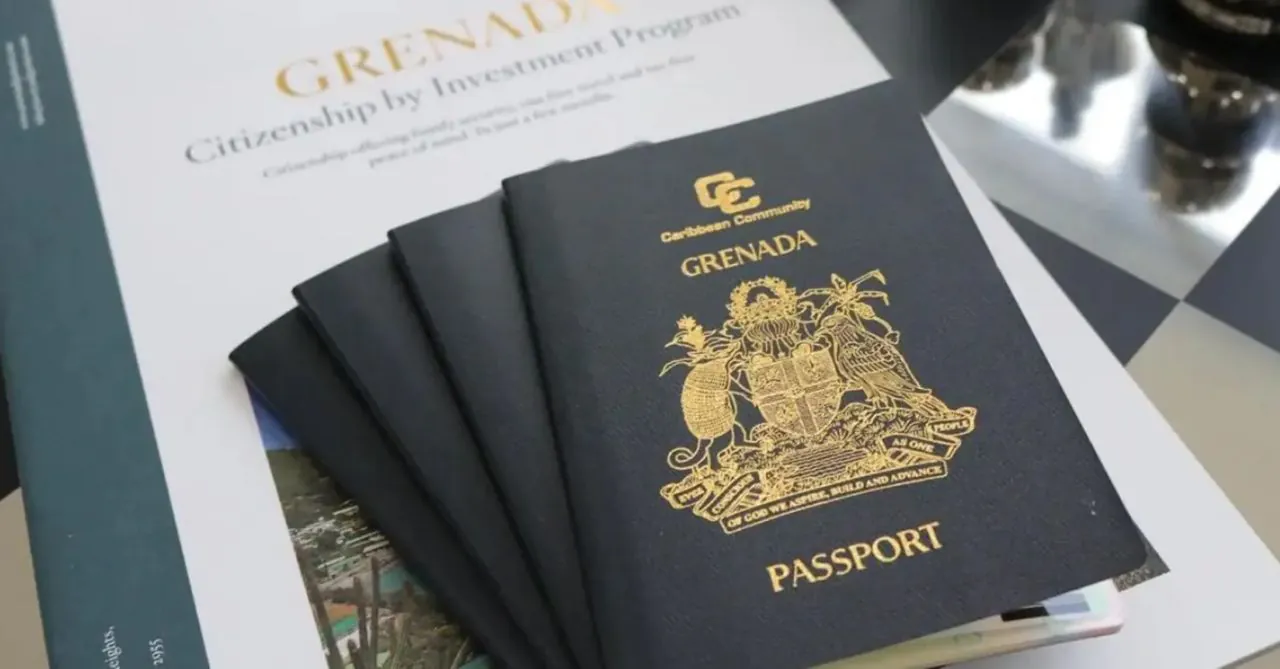
The Consulate of Grenada in Nigeria has announced visa-free access for Nigerian passport holders as part of efforts to boost trade, tourism, and investment ties between the two countries.
Grenada’s Consul to Nigeria, Ambassador Abidemi Sonoiki, disclosed the development during an interactive session with journalists on Thursday.
He said the Caribbean nation has already approved free entry for Nigerians and is awaiting reciprocal action from the Nigerian government through diplomatic channels.
“I have a letter from Grenada’s foreign affairs authorities to Nigeria’s Ministry of Foreign Affairs. Grenada has approved free access for Nigerians, and we expect Nigeria to reciprocate the gesture,” Sonoiki stated.
Sonoiki highlighted investment opportunities for Nigerians in sectors including tourism, aviation, real estate, maritime services, education, agriculture, and financial technology.
Quick Facts About Grenada
Grenada consists of the main island of Grenada and several smaller islands, including Carriacou and Petit Martinique. The capital city is St. George’s, often regarded as one of the most picturesque harbor cities in the Caribbean.

The country gained independence from the United Kingdom in 1974 and is famous for producing a significant share of the world’s nutmeg and is among the leading global exporters of the spice.
Here are some quick facts about Grenada and its social, cultural, and economic life:
Social Life
- Grenada has a population of about 125,000 people, making it one of the smaller nations in the Caribbean.
- The majority of the population is of African descent, with smaller communities of mixed heritage, East Indians, Europeans, and others.
- English is the official language, while Grenadian Creole English is widely spoken in everyday life.
- Education is highly valued, and literacy rates are among the highest in the Caribbean.
- Christianity, particularly Roman Catholicism and Protestant denominations, is the dominant religion.
Cultural Life
- Grenada is known as the “Spice Isle” because of its production of nutmeg, mace, cinnamon, cloves, and other spices.
- Music and dance are central to Grenadian culture, with calypso, soca, reggae, and steelpan music being especially popular.
- The annual Spicemas carnival is the country’s largest cultural celebration, featuring colorful costumes, music, and street parades.
- Traditional foods include oil down (the national dish), fresh seafood, breadfruit, callaloo, and various spice-infused dishes.
- Cricket is the most popular sport, though football and athletics also attract strong interest.
Economic Life
- Grenada’s economy relies heavily on tourism, agriculture, and education services.
- Major agricultural exports include nutmeg, cocoa, bananas, and other spices.
- Tourism is a leading source of foreign exchange, with visitors attracted by beaches, diving sites, and natural attractions.
- The country is a member of the Caribbean Community and the Organisation of Eastern Caribbean States.
- Grenada uses the Eastern Caribbean dollar (XCD), a currency shared with several Eastern Caribbean nations.
- Offshore education, particularly through St. George’s University, contributes significantly to the economy.
- Renewable energy, blue economy initiatives, and climate-resilient development are growing areas of economic focus.