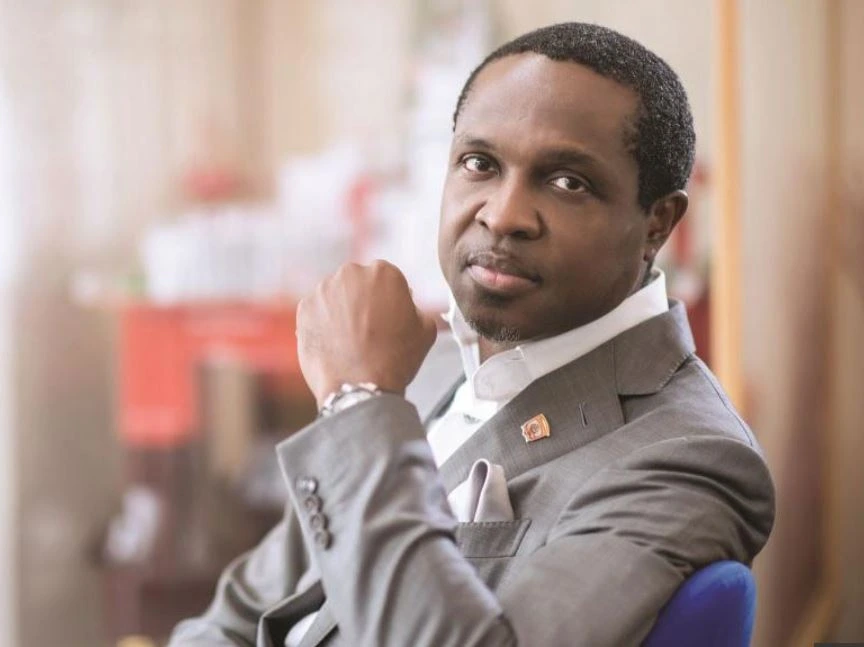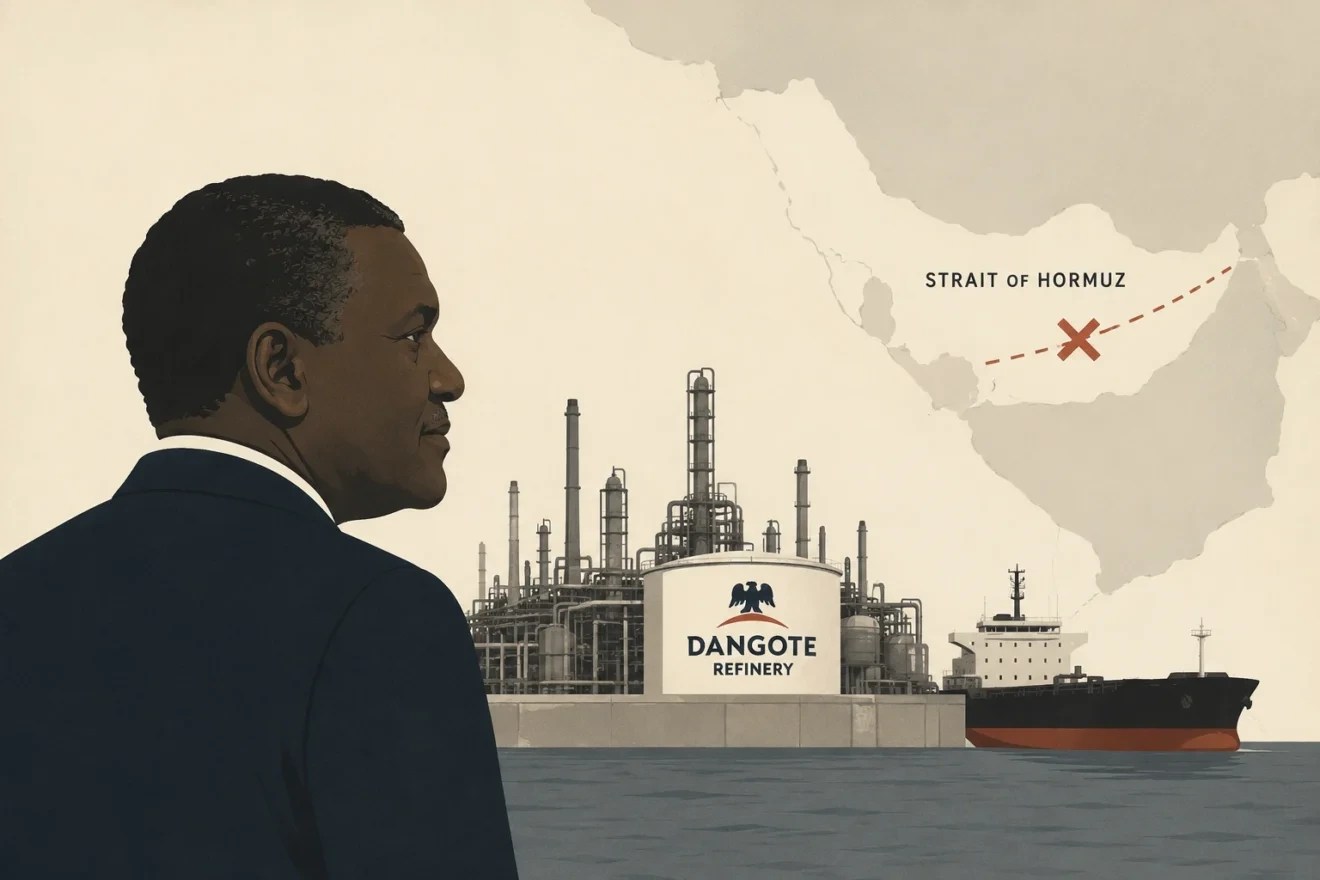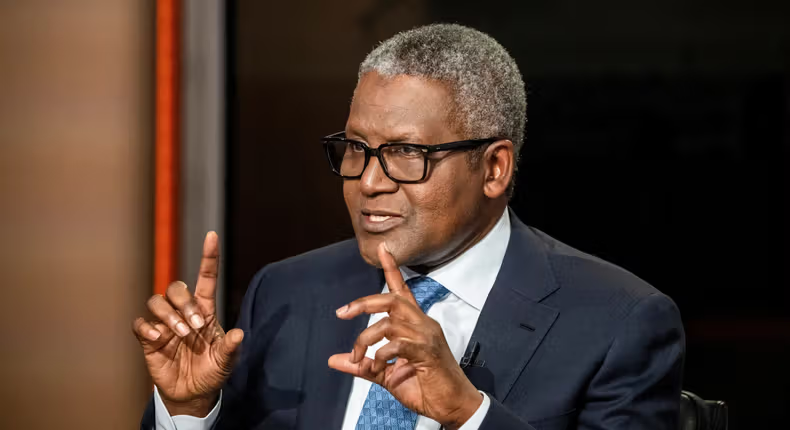
For decades, Aliko Dangote has been described using familiar labels — Africa’s richest man, industrial giant, cement king.
Yet during a candid conversation on the In Good Company podcast with Nicolai Tangen, the Nigerian industrialist revealed a more personal and surprisingly reflective side of his life — from early morning routines and family moments to bold views on global partnerships and Africa’s economic future.
Behind the factories, mega projects, and billion-dollar investments lies a disciplined routine and an unconventional philosophy about building industry on the continent.
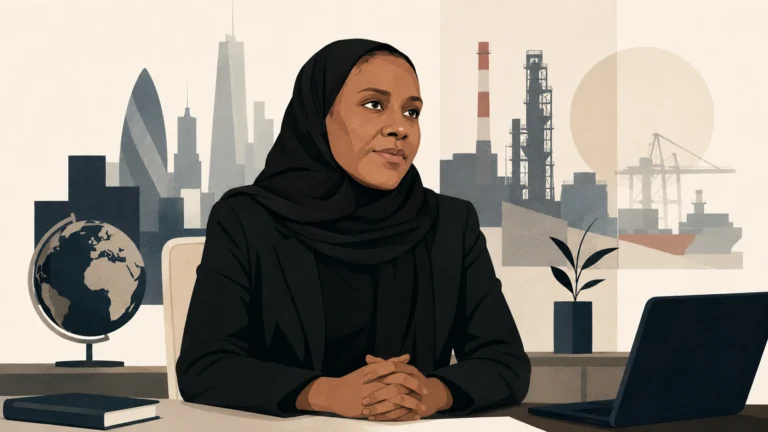
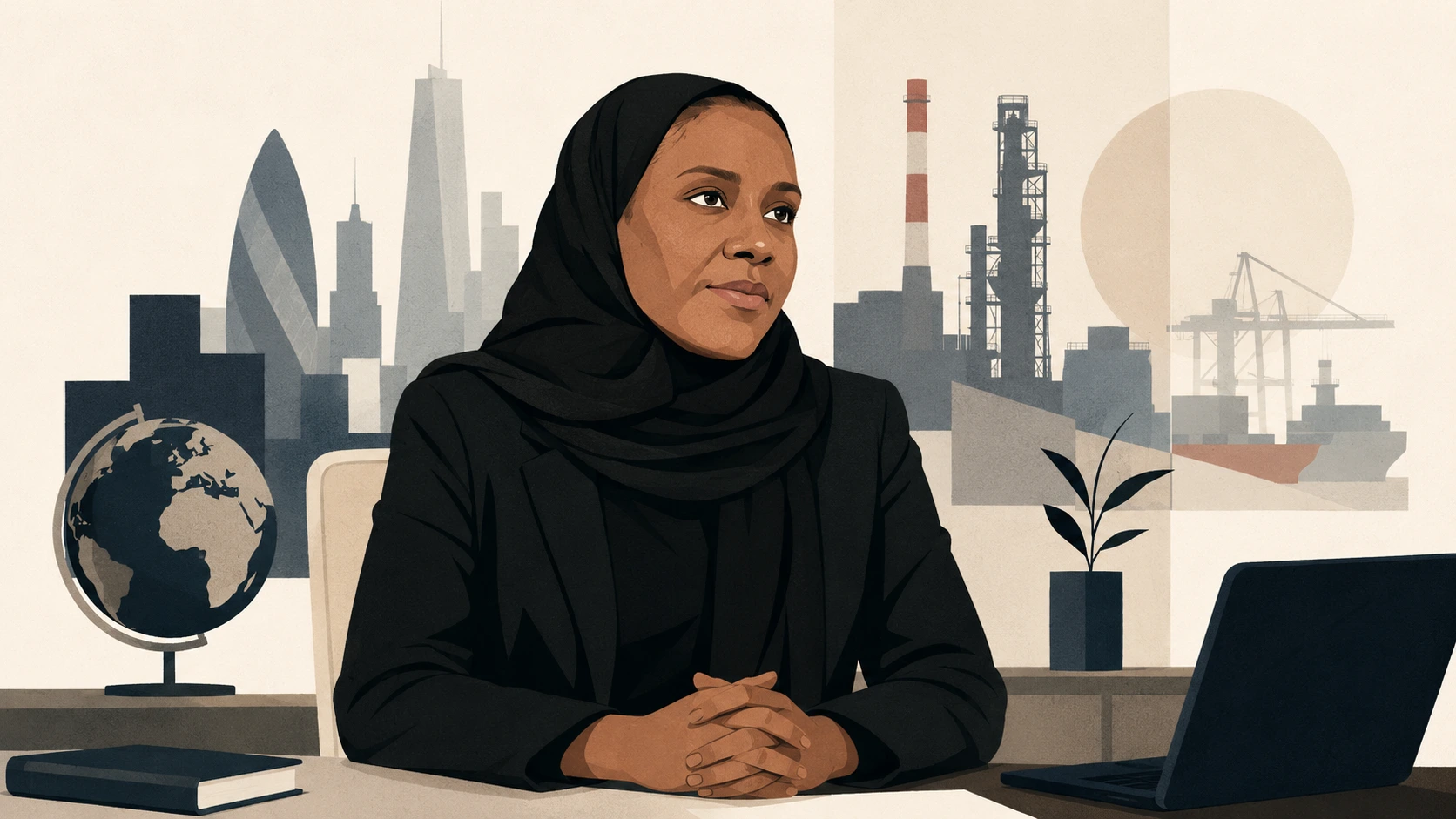
The 5 A.M. Routine Few People Know About
Long before board meetings or refinery updates begin, Dangote’s day starts early.
He revealed that waking around 5 a.m. has become a consistent habit — a practice he credits for maintaining clarity and focus while managing vast industrial operations across Africa.
Rather than rushing directly into work, his mornings revolve around structure: gym, preparation for the day, and strategic thinking.
For Dangote, discipline is not motivational rhetoric; it is operational necessity.
Running the Dangote Group, which spans cement, fertilizer, sugar, and energy projects, requires sustained mental endurance — something he believes routines help preserve.
The Billionaire Who Prioritizes Family Time
One of the most unexpected revelations from the conversation had little to do with business.
Dangote spoke warmly about spending time playing with his grandchildren on the beach, describing those moments as essential balance amid the pressures of industrial leadership.
Despite overseeing some of Africa’s largest infrastructure projects, he suggested that family time provides grounding — a reminder that success is not measured solely in expansion figures or profit margins.
The image contrasts sharply with the public perception of an always-working billionaire.
Why Dangote Says China Has Helped Africa the Most
In one of his most direct geopolitical comments, Dangote credited China as the global partner that has contributed most significantly to Africa’s infrastructure development.
According to him, Chinese investment has accelerated construction of roads, factories, ports, and industrial facilities across the continent — enabling faster economic transformation than many Western-led initiatives.
His view reflects a pragmatic business perspective: partnerships should be judged by tangible outcomes rather than political narratives.
African Markets Investors Are Still Ignoring
Dangote also highlighted a major opportunity global investors may be overlooking.
He argued that several African economies remain underexplored despite strong demographic growth and rising consumption. While Nigeria remains central, he pointed to broader continental potential, emphasizing countries such as:
- Ethiopia
- Senegal
- Côte d’Ivoire
These markets, he suggested, combine expanding populations, improving infrastructure, and growing industrial demand — conditions similar to early Asian growth phases.
His message to investors was simple: Africa’s opportunity lies not only in natural resources but in manufacturing and consumer industries.
The Work Ethic Behind Mega Projects
Dangote described industrialization as a long game rarely understood by outsiders.
Projects like large cement plants or refineries take years — sometimes decades — before producing full economic returns.
Many investors, he noted, avoid such timelines, preferring quicker gains.
His approach differs sharply.
Rather than short-term trading profits, he focuses on building assets that can operate for generations.
This philosophy explains why the group repeatedly reinvests earnings into large-scale manufacturing rather than diversifying into unrelated sectors.
What People Don’t Realize About Building Industry in Africa
According to Dangote, the biggest challenge is not capital alone.
Industrial builders must simultaneously solve problems governments often handle elsewhere — electricity supply, logistics networks, training skilled workers, and creating supply chains from scratch.
In many cases, companies must build entire ecosystems around a single factory.
This reality, he explained, is why industrial success stories on the continent remain relatively rare.
Leadership Lessons From Nearly Five Decades in Business
Among the key personal principles Dangote emphasized:
- Patience beats speed in industrial growth
- Local production creates real economic independence
- People development is as critical as infrastructure
- Consistency matters more than brilliance
He stressed that leadership is less about dramatic decisions and more about sustained discipline over many years.
A Personal Philosophy Rooted in Africa’s Future
Despite global recognition, Dangote framed his mission as unfinished.
He believes Africa’s true transformation will occur when the continent moves from importing finished goods to producing them locally at scale.
Industrialization, in his view, is not merely business — it is nation-building.
And surprisingly, the mindset guiding that ambition begins each morning before sunrise, shaped by routine, family moments, and a belief that Africa’s greatest economic chapter is still ahead.