Visitors to London Zoo will soon be able to observe animal care up close, as plans are unveiled for a state-of-the-art wildlife hospital funded by a £20 million anonymous donation.
The project, led by the Zoological Society of London (ZSL), will replace the zoo’s ageing 1950s veterinary facility with a modern centre designed to bring the public into the heart of animal healthcare.
Surgery, Scans and More on Display
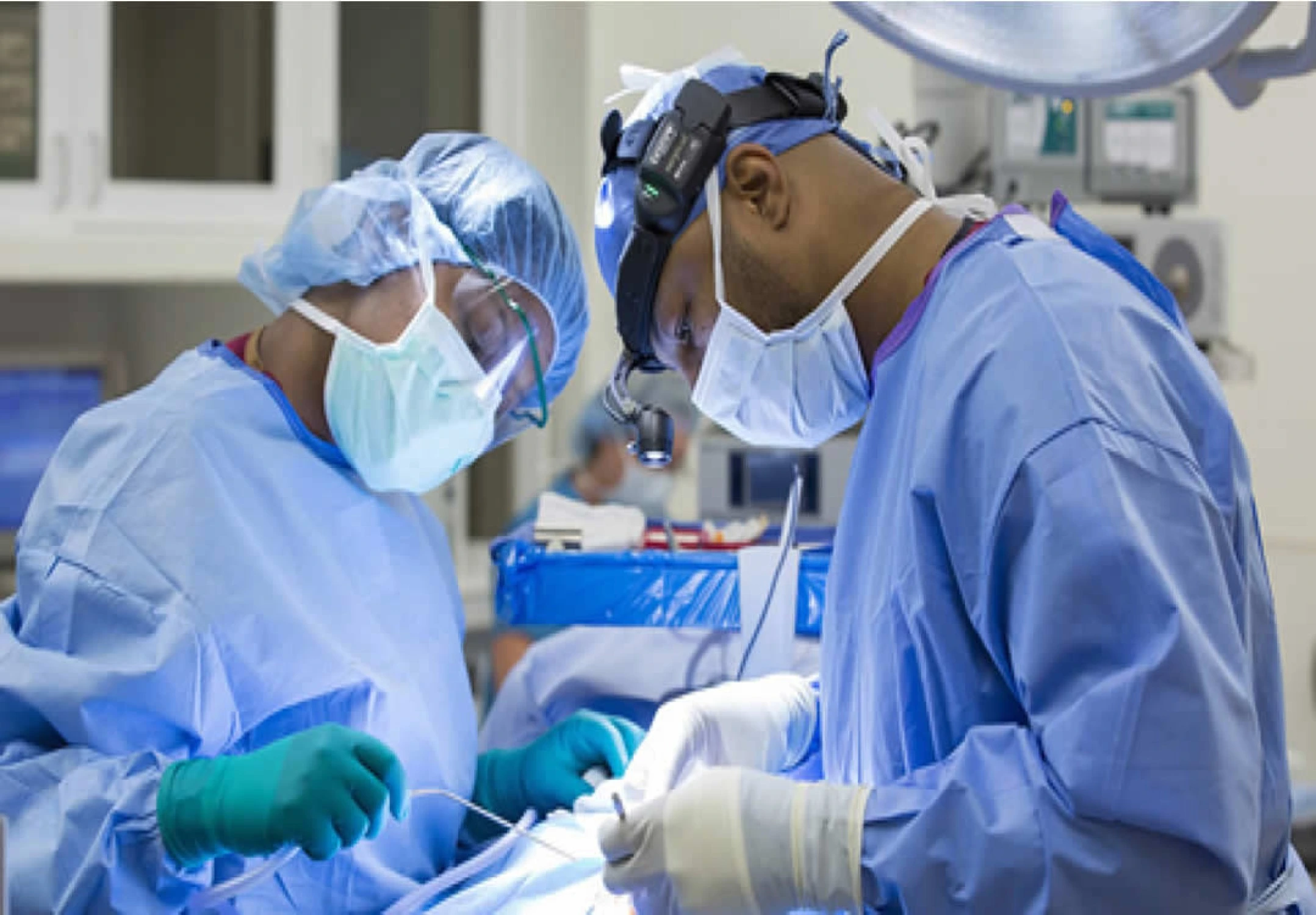
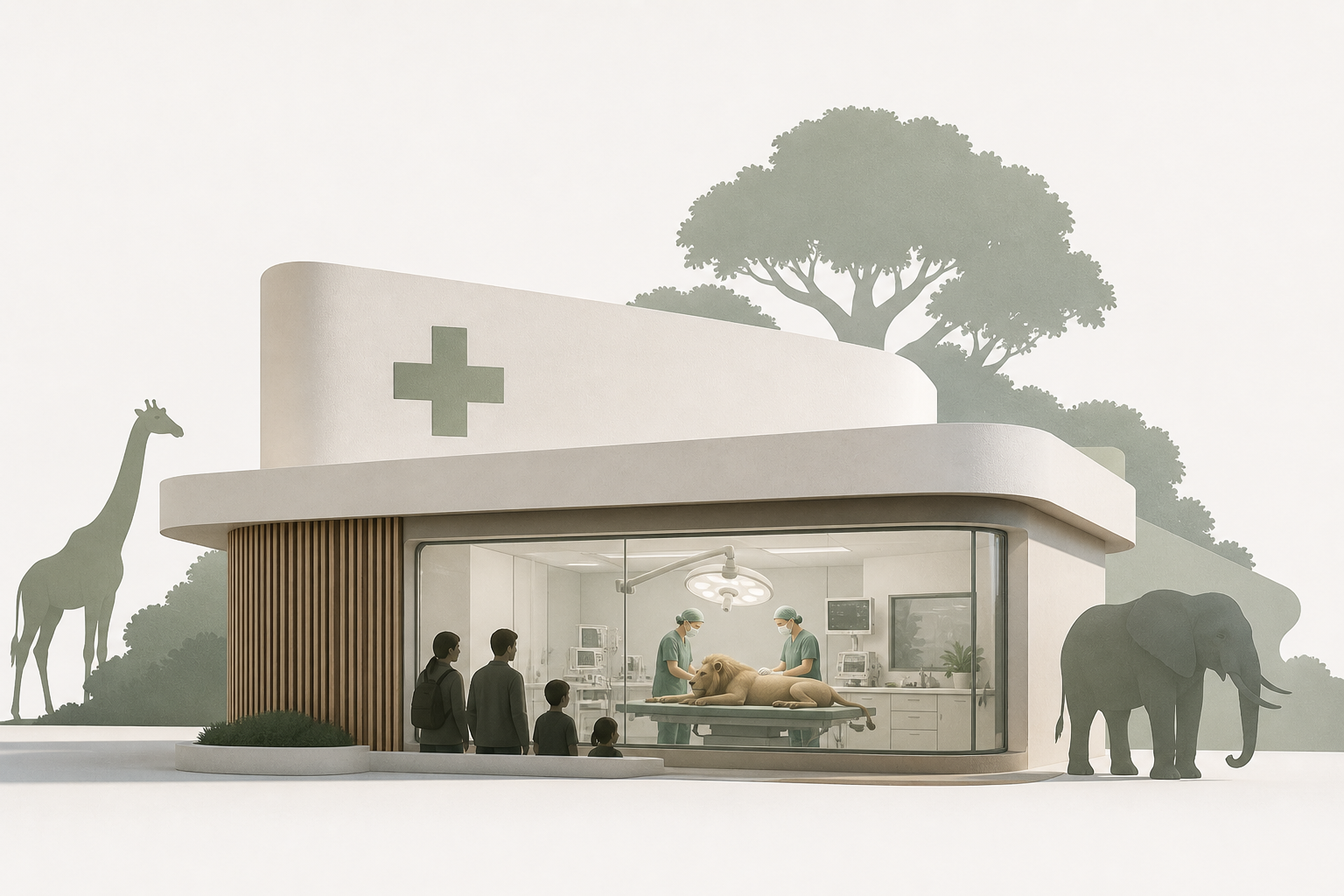
The new hospital will feature a dedicated viewing gallery, allowing visitors to watch a range of veterinary procedures in real time—from routine check-ups and dental work to CT scans and even complex surgeries on larger animals.
Zoo veterinarian Stefan Saverimuttu said while dramatic operations may occasionally be visible, most of the work will focus on preventative care such as blood tests, monitoring newborn animals, and general health assessments.
The initiative is also expected to include post-mortem examinations, offering educational insight into animal biology and disease.
ZSL says the goal is not just transparency, but inspiration. By opening up veterinary work to the public, the zoo hopes to spark interest in careers related to animal health, conservation, and scientific research.
Visitors of all ages will gain a rare behind-the-scenes look at how more than 8,000 animals are cared for—ranging from penguin chicks to exotic reptiles and large mammals.
Strengthening Disease Monitoring
Beyond treatment, the facility will house advanced laboratories for tracking wildlife diseases, including threats such as avian flu. ZSL already operates extensive monitoring programmes in the UK and internationally, building databases that help scientists understand and respond to outbreaks.
The organisation is also involved in global conservation efforts, including protecting endangered species like Darwin’s frog from deadly fungal infections.
Balancing Education and Sensitivity
While the inclusion of post-mortem examinations may raise concerns, zoo officials say visitors will be adequately informed before entering such areas. Experts argue the educational value of understanding animal anatomy and disease outweighs potential discomfort.

ZSL leadership emphasises that the new hospital represents a broader shift toward integrating animal health with human wellbeing. As emerging diseases increasingly cross species boundaries, improved monitoring and research are seen as critical.
Although no official opening date has been announced, the development signals a major investment in both conservation science and public engagement at one of the world’s most historic zoos.