The International Olympic Committee has approved a new policy limiting eligibility for the female category at Olympic events to biological females, with implementation set for the Los Angeles 2028 Olympic Games.
The decision, endorsed by the IOC Executive Board, will apply across all sports on the Olympic programme and will not be applied retroactively.
New Framework
Under the new framework, eligibility for the female category will be determined primarily through screening for the SRY gene, a genetic marker typically located on the Y chromosome and associated with male sex development. According to the IOC, the presence of this gene is considered fixed throughout life and serves as a highly reliable biological indicator.
The committee stated that athletes who test negative for the SRY gene will be permanently eligible to compete in the female category, with the screening required only once in an athlete’s lifetime. Testing methods may include saliva samples, cheek swabs, or blood tests, which the IOC described as minimally intrusive compared to other verification procedures.
Athletes who test positive for the SRY gene will generally be ineligible to compete in the female category at IOC events. However, exceptions may apply in rare cases involving athletes diagnosed with Complete Androgen Insensitivity Syndrome (CAIS) or certain differences in sex development (DSDs) that do not confer performance advantages linked to testosterone. Affected athletes will remain eligible for other competition categories, including male, mixed, or open divisions.

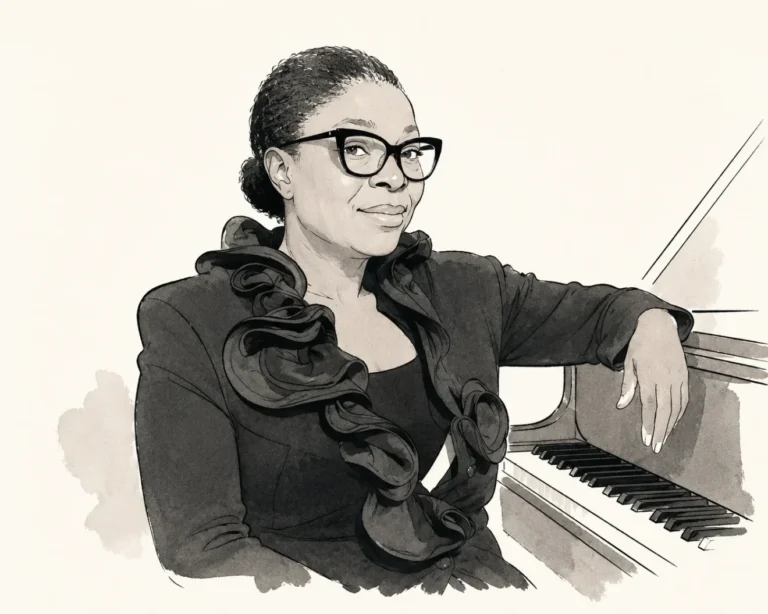
IOC President Kirsty Coventry said the policy is grounded in scientific evidence and aims to preserve fairness and safety in competition. She emphasized that even marginal physical advantages can significantly impact outcomes at elite levels, particularly in sports requiring strength, endurance, and power.
The new policy replaces previous IOC guidance on gender identity and sex variations in sport. While it applies specifically to IOC events, international federations and national Olympic committees are expected to align their own regulations accordingly. The IOC clarified that the rule does not extend to grassroots or recreational sports.