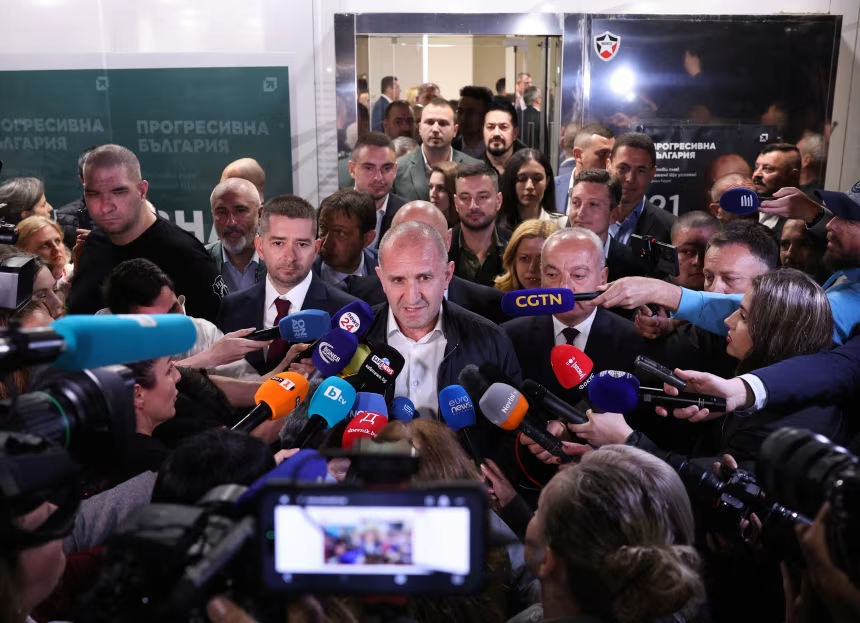
Former president Rumen Radev has won Bulgaria’s parliamentary election in a decisive landslide, according to official results released Monday, marking a major political shift that could reshape the country’s direction within the European Union and NATO.
Radev’s party, Progressive Bulgaria, secured 44.7% of the vote with more than 97% of ballots counted, far surpassing pre-election forecasts.
The outcome represents one of the strongest electoral performances by a single political force in decades and could bring an end to years of political instability that saw the Balkan nation hold eight elections in just five years.
The result puts Progressive Bulgaria well ahead of its main rivals, including the pro-European We Continue the Change–Democratic Bulgaria coalition and the long-dominant GERB party led by former prime minister Boyko Borissov.
While the scale of victory gives Radev a potential path to govern alone, he has indicated openness to forming a coalition with smaller or pro-European parties.
A Campaign Built on Change and Frustration
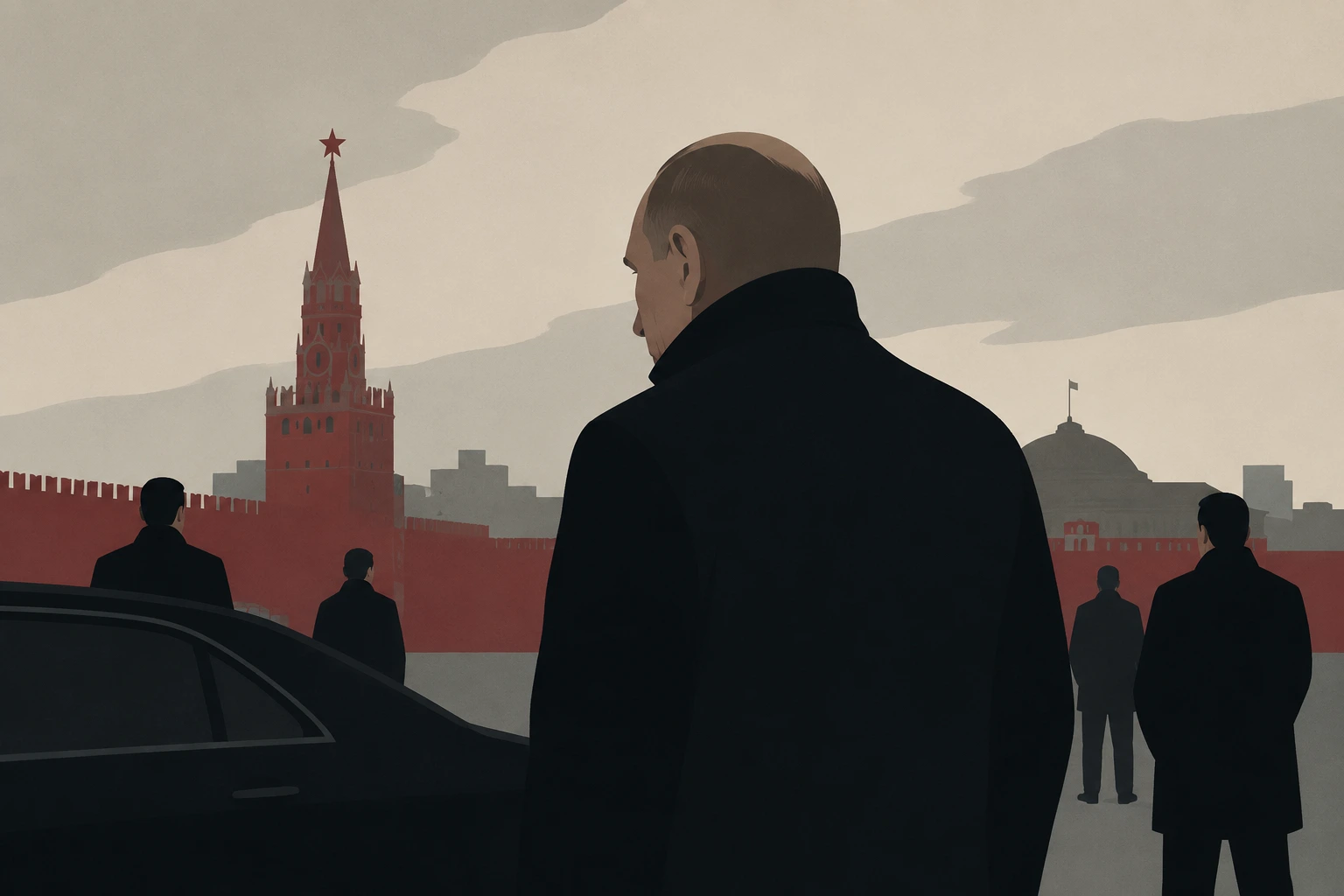
Radev, a former fighter pilot known for his euroskeptic views and opposition to military support for Ukraine in its war with Russia, stepped down from the presidency earlier this year to contest the election.
His campaign capitalized on widespread public frustration over corruption, economic pressures, and persistent political instability.
Voters in Bulgaria, a country of about 6.5 million people, have grown increasingly disillusioned with traditional political parties that have dominated the landscape for decades. Many see Radev’s victory as a chance for a reset.
Foreign Policy in Focus
The election outcome has drawn attention across Europe and beyond, particularly regarding Bulgaria’s future foreign policy stance.
European Council President Antonio Costa congratulated Radev, expressing hope for continued cooperation on shared priorities within the EU.
Meanwhile, the Kremlin welcomed the result, signaling optimism about Radev’s stated intention to pursue more pragmatic relations with Moscow.
During the campaign, Radev spoke about improving ties with Russia and revisiting energy cooperation, including the flow of Russian oil and gas into Europe.
His rhetoric has drawn comparisons to Viktor Orbán, Hungary’s leader known for maintaining close ties with Moscow despite broader EU tensions.
Despite these signals, analysts suggest that Bulgaria is unlikely to dramatically shift its geopolitical alignment.
The country, which joined the eurozone earlier this year—a move Radev criticized—is expected to maintain its commitments within the EU and NATO frameworks.
Economic Pressures and Domestic Challenges
Economic concerns played a central role in the election.
While Bulgaria has made significant progress since the fall of communism in 1989 and its EU accession in 2007, many citizens continue to feel the strain of rising living costs, particularly following the adoption of the euro.
The previous government collapsed after protests over proposed tax increases and higher social security contributions, further fueling public dissatisfaction.
Authorities reported a crackdown on electoral malpractice ahead of the vote, with more than 400 individuals detained over allegations of vote-buying and related offenses—a notable increase from previous elections.
Uncertainty Ahead
Although Radev has pledged to continue Bulgaria’s European trajectory and expressed willingness to cooperate on judicial reforms, questions remain about how his administration will tackle key issues such as economic recovery and demographic decline.

Analysts note a lack of detailed policy proposals from the winning camp, raising concerns about how effectively the new leadership can address the country’s long-standing structural challenges.
For now, however, Radev’s sweeping victory signals a clear mandate from voters eager for change—and a pivotal moment in Bulgaria’s political evolution.