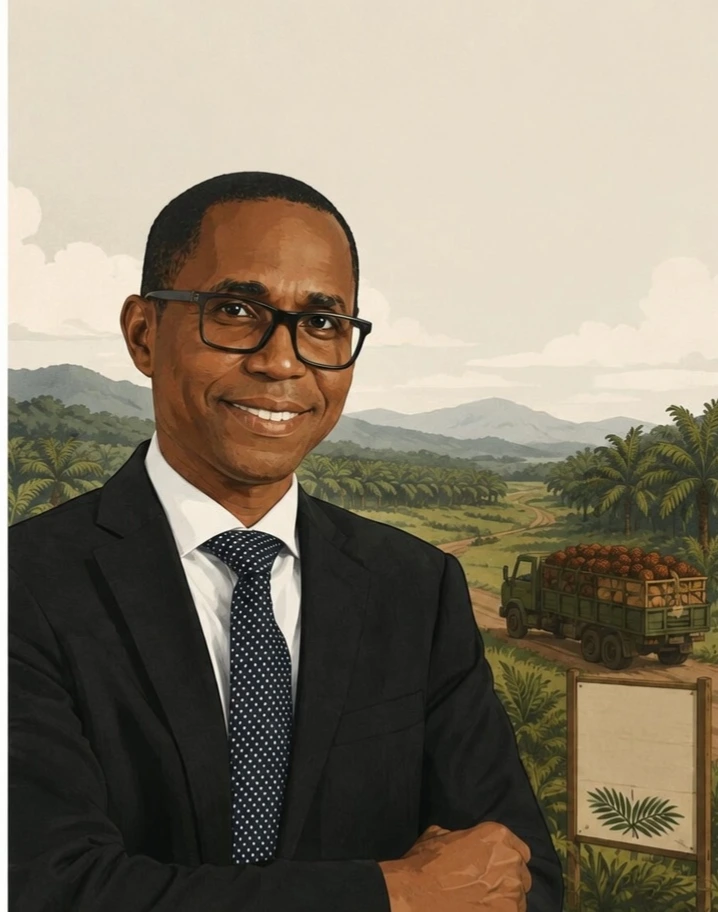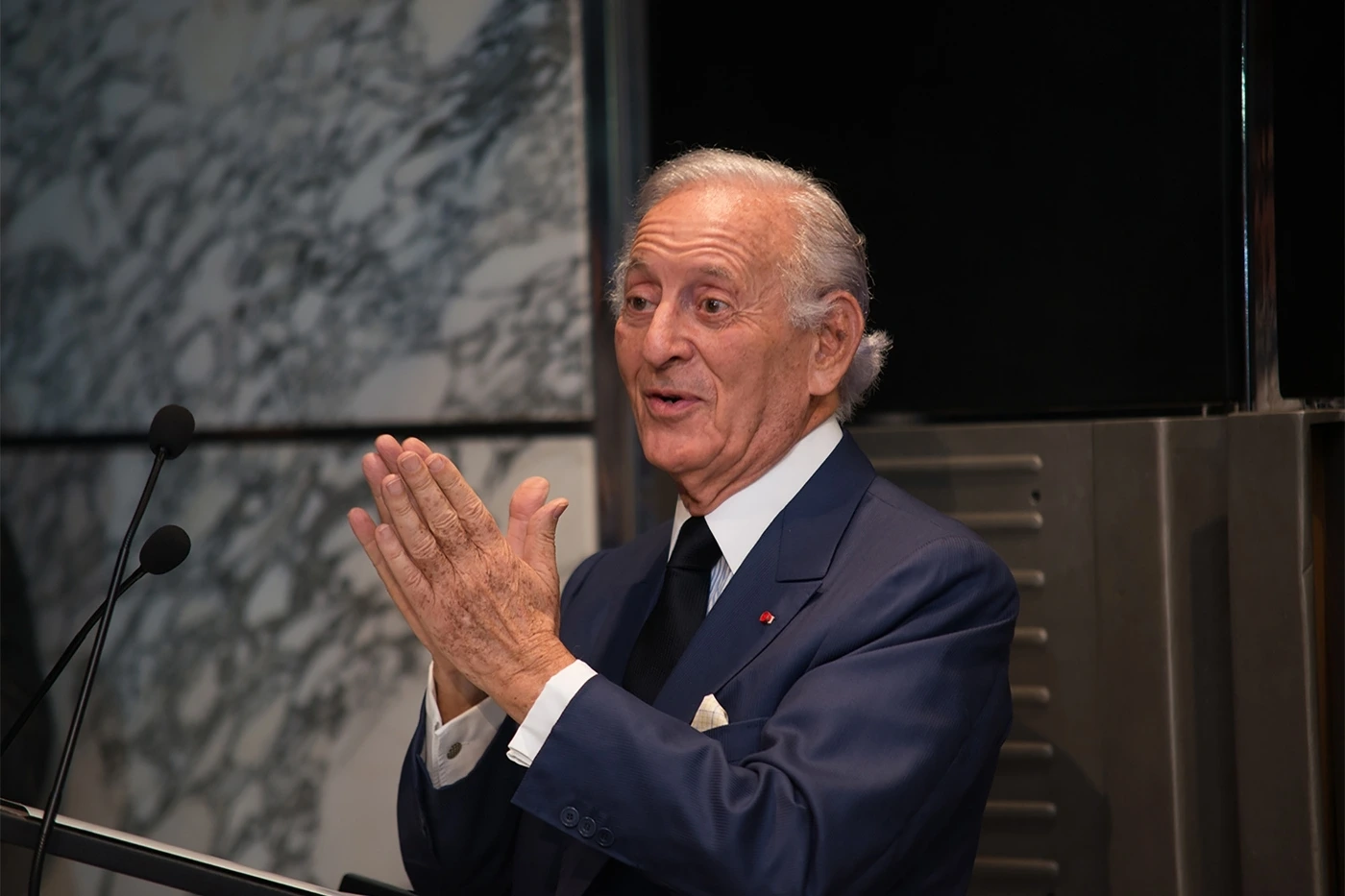
At 93, Moroccan businessman Othman Benjelloun has been named Morocco’s richest person, with an estimated net worth of $1.7 billion, according to Forbes, cementing a career that spans more than six decades and virtually every major phase of the country’s modern economic development.
Best known as the architect of FinanceCom and the transformation of Bank of Africa, Benjelloun oversees a diversified business empire spanning banking, insurance, telecommunications, transport, hospitality, real estate and agriculture. His influence extends well beyond Morocco through one of Africa’s largest banking networks, operating in more than 30 countries.
Yet while his commercial achievements are widely acknowledged, his extraordinary longevity at the summit of Moroccan business also raises broader questions about the nature of wealth creation, economic power and competition in one of Africa’s largest economies.
The Banking Bet That Changed Everything
Although Benjelloun inherited a family business rooted in commerce and insurance, the defining moment of his career came during Morocco’s wave of economic liberalisation in the 1990s.
In 1995, he acquired Banque Marocaine du Commerce Extérieur (BMCE) as part of the government’s privatisation programme. Rather than remain a domestic lender, the institution evolved into what is now Bank of Africa, expanding aggressively across sub-Saharan Africa before establishing operations in Europe, Asia and the Middle East.
The strategy positioned Morocco as a major financial gateway between Africa and international markets while making Benjelloun one of the continent’s most influential financiers. His rise mirrors Morocco’s broader ambition to establish itself as a regional financial centre, a transformation also reflected in Casablanca Finance City’s emergence as a gateway for investment and financial innovation in Africa.
His holding company subsequently expanded into insurance through RMA, telecommunications through Orange Morocco, transport via CTM and Air Arabia Maroc, alongside investments in hospitality, real estate and other sectors.
An Empire Built Quietly
Unlike many billionaire entrepreneurs, Benjelloun has maintained a notably low public profile. He rarely grants interviews, avoids media attention and has largely allowed his business institutions to speak for themselves. That discretion has become part of his public image—one of steady expansion rather than headline-grabbing entrepreneurship.
However, the concentration of interests across strategic sectors has also prompted recurring debate among economists and governance observers. Benjelloun’s success story raises questions that extend beyond one individual.
How much of Morocco’s economic transformation has depended on visionary entrepreneurs willing to make long-term investments? Conversely, to what extent have long-established business families benefited from privileged access to privatisation opportunities, financial networks and policymaking circles?
These questions are not unique to Morocco. Across many emerging economies, the largest fortunes often emerge where business expansion intersects with state-led economic reforms, infrastructure development and close relationships between governments and major investors.
Critics argue that concentrated economic power can limit competition and create barriers for new entrants.
Supporters counter that business leaders like Benjelloun have played a pivotal role in building institutions capable of competing internationally, creating jobs and attracting investment to Africa.
What His Rise Says About Morocco
Benjelloun’s career mirrors Morocco’s own economic evolution—from a protected domestic economy to one increasingly driven by manufacturing, finance and international investment. Morocco’s success in attracting automotive manufacturers has similarly positioned the country as one of Africa’s leading industrial hubs.
Bank of Africa’s continental footprint has become an important component of Morocco’s broader economic diplomacy, supporting trade, investment and financial integration throughout West, Central and East Africa. The expansion has complemented Morocco’s wider economic diplomacy across Africa, including strategic infrastructure projects and cross-border investment initiatives.
His emergence as Morocco’s wealthiest individual therefore reflects more than personal fortune; it illustrates the growing importance of African financial institutions in an increasingly interconnected continental economy.
Looking Ahead
As Benjelloun enters his tenth decade, attention is likely to shift toward succession planning, corporate governance and the future direction of one of North Africa’s largest privately controlled business empires.

The enduring question is no longer simply how Othman Benjelloun built his fortune.
It is whether Morocco’s next generation of entrepreneurs will have access to the same opportunities to build businesses of comparable scale—or whether the country’s economic landscape remains defined by a small number of deeply entrenched corporate groups whose influence has endured across multiple political and economic eras.