The Federal Government of Nigeria has announced a historic shift in public finance management: starting January 2026, all payments for government services will be fully digital, effectively ending cash transactions in ministries, departments, and agencies (MDAs). This move, part of the Nigeria cashless policy 2026 initiative, is expected to transform how citizens and businesses interact with government services.
Digital Payments to Replace Cash in All Government Services
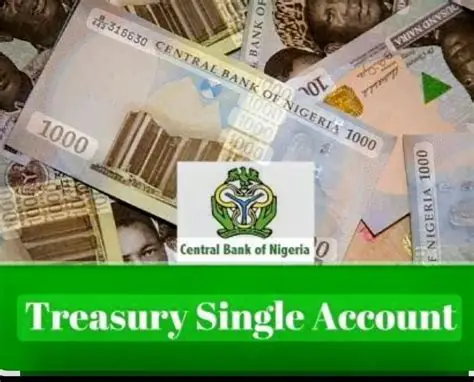
According to the latest circulars, the Treasury Single Account (TSA) will become the exclusive channel for all payments, ensuring direct remittance without deductions or commissions, aligned with the 2026 Nigeria cashless policy. This comes after years of challenges with physical cash collections, inconsistent reporting, and use of unofficial channels.
Officials emphasized that the new system is not a cash ban but an incentive-driven policy designed to promote transparency, reduce corruption, and encourage deposits over withdrawals. It’s part of the plan for Nigeria’s cashless policy in 2026 aimed at modernizing government finance.
Enhancing Transparency and Accountability
The policy aims to tackle financial opacity in government revenue collection. By enforcing standardized digital records, real-time reporting, and strict documentation requirements, the Treasury can monitor revenue from the point of payment to consolidation in the federal purse. This revised cashless policy in Nigeria for 2026 will significantly reduce leakages and under-remittance, making it easier to detect discrepancies early.
Samuel Oyekanmi, a capital market analyst at Norreberger, explained:
“It is a policy to discourage cash transactions by encouraging deposits and discouraging large withdrawals.”
How Nigerians Will Pay for Public Services
From 2026, under the extensive framework of Nigeria’s 2026 cashless policy, citizens will pay for passports, business registrations, regulatory fees, and other statutory services exclusively through authorised digital channels. Most MDAs will deploy PoS terminals, approved payment gateways, and mandatory notices to signal the end of cash payments.
Expected benefits include:
- Shorter queues and faster payment confirmations
- Reduced unofficial charges by officials
- Smoother access to public services
Modernizing Government Financial System
A transparent, centralized system is expected to improve outcomes in healthcare, education, and infrastructure by ensuring funds reach their intended destinations reliably. Past bottlenecks such as delayed releases and incomplete remittances have often stalled projects, but digital tracking is set to mitigate these issues, aligning with Nigeria’s goals for a cashless policy by 2026.
Accountability and Compliance
Agencies failing to comply with the new rules face strict sanctions. Non-compliance includes:
- Collecting cash despite directives
- Failing to install approved PoS terminals or devices
- Operating unregistered front-end applications
The move aims to close loopholes and ensure uniform digital infrastructure, making it easier to track revenue collection and usage under Nigeria’s cashless policy 2026 framework.
Empowering Citizens and Oversight Bodies
Digitalization also enhances public scrutiny. With accessible digital records and standardized reporting, citizens and anti-corruption groups will have clearer evidence of how funds are managed, promoting transparency and accountability.
Challenges Ahead
MDAs must meet a 45-day deadline to install PoS terminals and authorized devices under the requirements of the cashless policy in Nigeria for 2026. Concerns remain over:

- Infrastructure gaps
- Staff readiness for digital processes
- Capacity to transition from manual systems
Despite these challenges, the policy signals a decisive break from a cash-based system plagued by leakages, moving Nigeria closer to a transparent, efficient, and modern public finance system under the cashless policy plan set for 2026.
“It is a welcome development, especially as it is not abrupt like the first time the CBN tried something similar under the Emefiele administration,” analysts noted.