On September 12, 2023, 27-year-old Nigerian singer and rapper Mohbad (Ilerioluwa Oladimeji Aloba), popularly known as Imole, died under circumstances that immediately unsettled the Nigerian public. His burial took place less than 24 hours later, without a publicly disclosed coroner’s inquest at the time, triggering widespread questions about due process, accountability, and the opaque nature of power within Nigeria’s entertainment industry.
Mohbad was not the most commercially dominant artist of his generation, nor was he the first Nigerian musician to die young. Yet his death resonated far more deeply than most. That heightened reaction stemmed largely from the highly publicised conflict that defined the final year of his career, particularly his acrimonious split from Marlian Music Records and its founder, Naira Marley (Azeez Fashola).
As Nigeria grappled with grief, the conversation quickly expanded beyond a single death to broader questions: how much power do record labels wield over young artists? where does creative control end and coercion begin? and to what extent does celebrity shield individuals from scrutiny?
From Stardom to Conflict: Mohbad and Marlian Music
Mohbad signed with Marlian Music in December 2019. At the time, the label was riding a cultural wave powered by Naira Marley’s explosive popularity and his growing cult-like fan base, the “Marlians.” Under the label, Mohbad released several tracks that elevated him into mainstream recognition, benefiting from the visibility and distribution that a powerful label structure could offer.
However, by early 2022, signs of strain began to surface publicly.
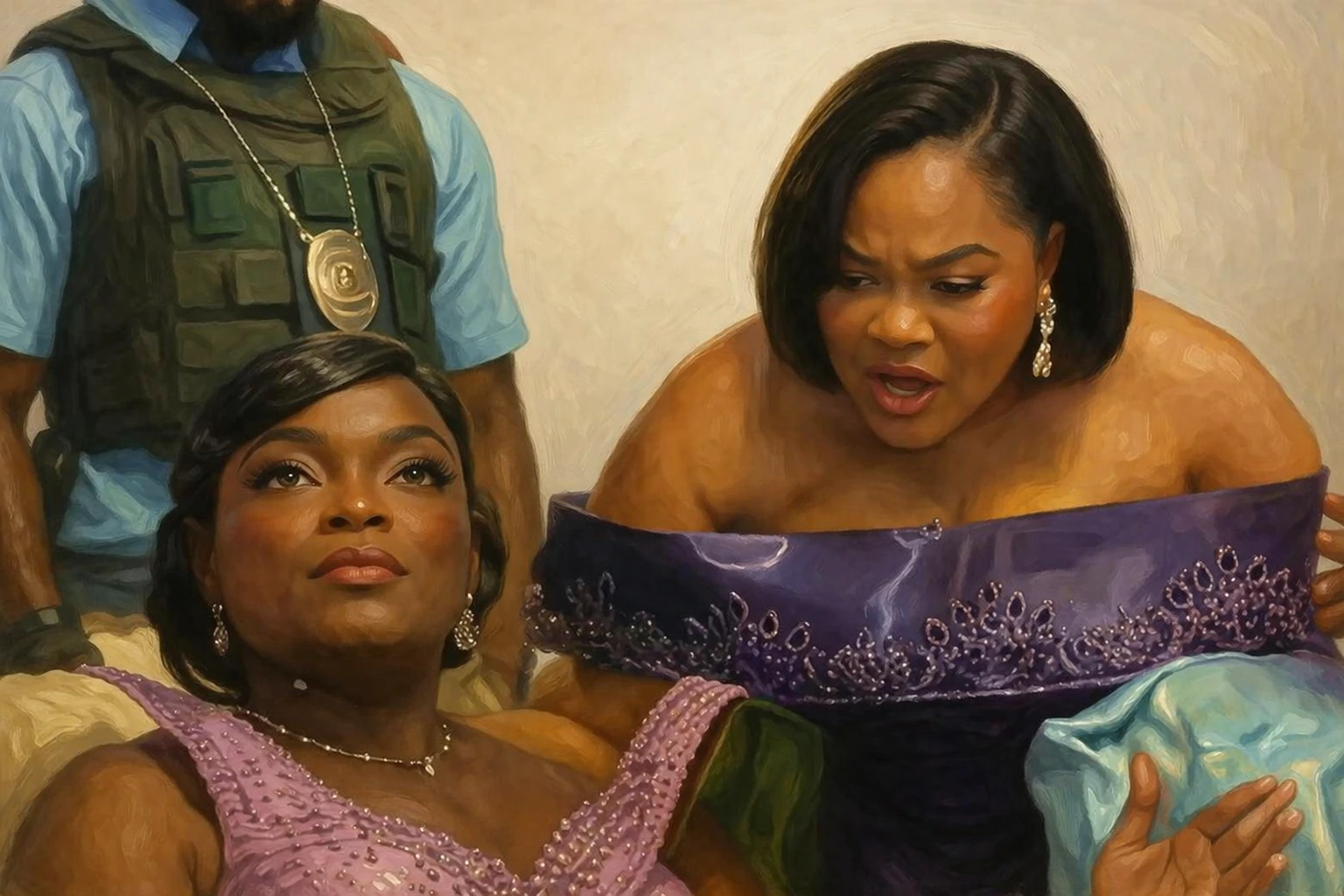
In February 2022, Mohbad and fellow Marlian signee Zinoleesky were arrested by the National Drug Law Enforcement Agency (NDLEA) over alleged possession of illegal substances, including cannabis and MDMA. Videos circulated online showed the artists and their associates in heated confrontations with NDLEA operatives during the arrest process. Less than two weeks later, Naira Marley publicly stated that the “misunderstanding” with the agency had been resolved.
For many observers, the speed with which the issue appeared to disappear raised questions about influence, mediation behind the scenes, and unequal power dynamics—not only between artists and the state, but also between artists and their labels.
Public Fear and a Chilling Warning
One day after the NDLEA incident, on February 25, 2022, Mohbad went live on Instagram in a visibly distressed state. In the poorly lit video, he pleaded for help and made a statement that would later take on haunting significance:
“Everybody in the world, if I die, it’s Marlian Music [and] Naira Marley that killed me.”
The live session, widely circulated and archived online, marked a turning point. According to digital media analysts and music journalists, it was rare—and deeply alarming—for an artist to publicly accuse his own label of threatening his life.
In subsequent months, Mohbad reiterated claims of harassment and physical assault. In October 2022, he alleged that Naira Marley had instructed associates to assault him after he expressed a desire to change management and take control of his business affairs. By November 2022, Mohbad was released from his contract with Marlian Music, though the hostility did not end there.
Petitions, Police, and Persistent Allegations
In June 2023, a petition to the Nigeria Police resurfaced in public discourse. In it, Mohbad accused Samson Balogun, popularly known as Sammy Larry and described as a close associate of Naira Marley, of assault and destruction of property.
While petitions and allegations do not constitute proof, legal experts note that patterns of repeated complaints, especially when documented, are significant in assessing institutional responsibility. The resurfacing of these claims after Mohbad’s death intensified scrutiny of Marlian Music’s internal culture and the broader regulatory vacuum governing artist–label relationships in Nigeria.
Who Is Naira Marley?
Naira Marley emerged as a dominant force in Nigerian pop culture around 2019, spearheading a street-hop movement that blended music with a defiant lifestyle ethos. His slogans—“No Manners,” “No Belt Gang”—became shorthand for rebellion against authority, discipline, and conventional morality.
His fan base, the Marlians, grew rapidly among young Nigerians disillusioned with economic hardship, policing, and political authority. Cultural commentators have argued that Marley’s appeal lay not just in sound, but in symbolism: he articulated a worldview that rejected respectability politics and embraced chaos as authenticity.
That image was reinforced by his public encounters with Nigeria’s anti-graft agency, the Economic and Financial Crimes Commission (EFCC), which further embedded him as a countercultural figure.
From Fela to the Marlians: Music, Power, and Philosophy
Historically, Nigerian music has played multiple roles—from resistance and social critique under Fela Anikulapo-Kuti, to the commercialised global pop of the 2000s. Critics argue that Naira Marley represents a sharp break from music as moral or political commentary, positioning entertainment—and shock value—above social responsibility.
Supporters counter that Marley merely catered to an underserved demographic, arguing that art is not obligated to be virtuous, only authentic. This debate mirrors global tensions around drill music in the UK and gangsta rap in the United States, where questions of influence, accountability, and artistic freedom remain unresolved.
Origins- Britain, and the Peckham Factor
Azeez Fashola was born in Badagry, Lagos, but moved with his family to Peckham, South London, at age 11. Peckham is widely known for its dense Nigerian diaspora—and, historically, for youth gang activity.
In a 2019 Instagram Live session, Marley claimed he had been arrested 124 times in the UK, describing himself as a former gangster. British media archives also report that in 2014, Lewisham Police declared a then-19-year-old Azeez Fashola wanted in connection with violent crimes on a London night bus. These reports were widely circulated at the time, though they did not culminate in convictions.
While past allegations do not define present guilt, criminologists note that self-mythologising around criminality can shape both public perception and internal organisational culture—particularly when translated into leadership of young, economically dependent artists.
Label Power and an Industry Reckoning
Marlian Music expanded rapidly, signing acts such as Zinoleesky, Mohbad, CBlack, Fabian Blu, Vusic, and Tori Keeche. Yet disputes between artists and labels are hardly unique to Marlian Music. Nigeria’s music industry has long been plagued by opaque contracts, weak artist protections, and minimal regulatory oversight.
What changed with Mohbad’s death was public tolerance. Allegations once dismissed as “record label drama” suddenly appeared in a darker light. Claims by former signee 6ix in 2022, which previously drew little attention, were retrospectively re-examined.
The result has been a broader reckoning: how many abuses are normalised before tragedy forces scrutiny?
Mogul, Menace, or Mirror?
Whether Naira Marley is ultimately remembered as a disruptive innovator, a reckless label boss, or something more troubling will depend on investigations, judicial outcomes, and historical distance. What is clear is that Mohbad’s death has exposed systemic failures—within record labels, law enforcement responsiveness, and cultural gatekeeping.
The story is no longer just about one artist or one label. It is about power, accountability, and the cost of silence in Nigeria’s creative economy.