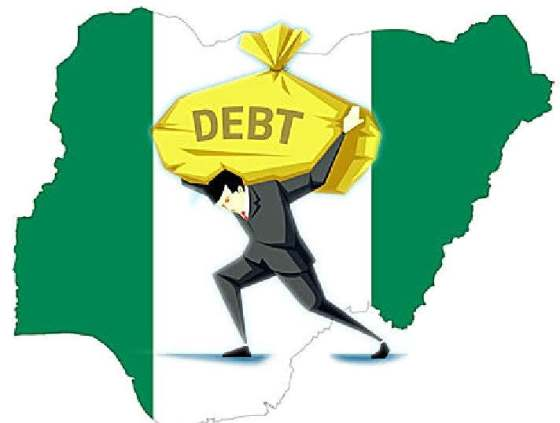
Credit to the Federal Government increased by N17.39 trillion over the 12 months to May 2026, according to the latest monetary and credit statistics released by the Central Bank of Nigeria (CBN), highlighting the government’s growing dependence on domestic borrowing to finance fiscal operations.
Data published by the apex bank showed that total credit to the government rose to N40.38 trillion in May 2026 from N22.99 trillion recorded in the corresponding period of 2025, representing a year-on-year increase of 75.6 per cent.
The figures also revealed that government borrowing continued to rise every month, increasing by N779.7 billion from N39.60 trillion in April 2026.
The development comes despite a prolonged period of tight monetary policy aimed at containing inflation and stabilising macroeconomic conditions.
Banks Increasing Exposure to Government Debt
The data suggests that commercial and merchant banks continue to channel substantial liquidity into government securities, including Treasury bills and Federal Government bonds.
Analysts say the trend reflects the attractiveness of government-backed instruments, which offer relatively high yields and lower risk compared to lending to businesses and households.
The steady rise in public sector credit also points to a broader shift in government financing strategy, with authorities increasingly relying on domestic debt issuance rather than direct financing from the Central Bank.
Private Sector Credit Growth Remains Modest
In contrast to the sharp rise in public sector borrowing, credit to the private sector recorded only marginal growth during the review period.
Private sector lending increased to N81.04 trillion in May 2026 from N80.59 trillion in April, reflecting cautious lending by financial institutions amid prevailing economic uncertainties and elevated borrowing costs.
Although private sector credit remains significantly larger than government borrowing in absolute terms, standing at roughly twice the level of public sector credit, economists warn that the widening appetite for government securities could constrain credit availability to productive sectors of the economy.
Concerns Over Crowding Out
Financial experts have expressed concern that continued preference for government debt instruments by banks may crowd out private investment and weaken economic growth prospects.
According to analysts, businesses, particularly manufacturers and small enterprises, could face increasing difficulty accessing affordable financing if lenders continue to prioritise government obligations.
The lack of adequate credit to the real sector may limit expansion plans, reduce job creation and dampen overall economic activity.
While the banking sector remains liquid, experts caution that a prolonged imbalance between public and private sector credit could undermine efforts to stimulate industrial growth and diversify the economy.
The CBN has yet to provide a detailed breakdown of private sector credit allocation across key sectors of the economy for the period under review.

Fiscal Funding Pressures Persist
The latest figures underscore the fiscal pressures facing the Federal Government as it seeks to finance budget deficits, infrastructure projects and other public spending commitments.
With borrowing from domestic sources continuing to rise, market participants will be closely watching the government’s debt management strategy and its implications for interest rates, liquidity conditions and private sector access to credit in the months ahead.