The Central Bank of Nigeria (CBN) has extended the enforcement deadline for its mandatory Point of Sale (PoS) terminal geo-fencing framework to August 1, 2026, while also easing compliance requirements for operators across the payments ecosystem.
The directive was contained in a circular dated May 29, 2026, and signed by the Director of the Payments System Supervision Department, Dr. Rakiya O. Yusuf.
Under the revised framework, the apex bank expanded the approved geo-fence radius for PoS terminals from 10 metres to 70 metres following consultations with banks, mobile money operators, payment service providers, switching companies, and other stakeholders.
The policy forms part of the CBN’s broader push to strengthen transaction monitoring, improve payment security, and combat money laundering through tighter oversight of digital payment infrastructure.
In the circular, the CBN directed all licensed payment operators to complete outstanding technical and operational compliance requirements before the new August 1 enforcement date.
“Geo-fence radius is hereby increased from 10 metres to 70 metres,” the circular stated.
The bank also announced that “enforcement of PoS Terminal Geo-fence is extended to August 1, 2026.”
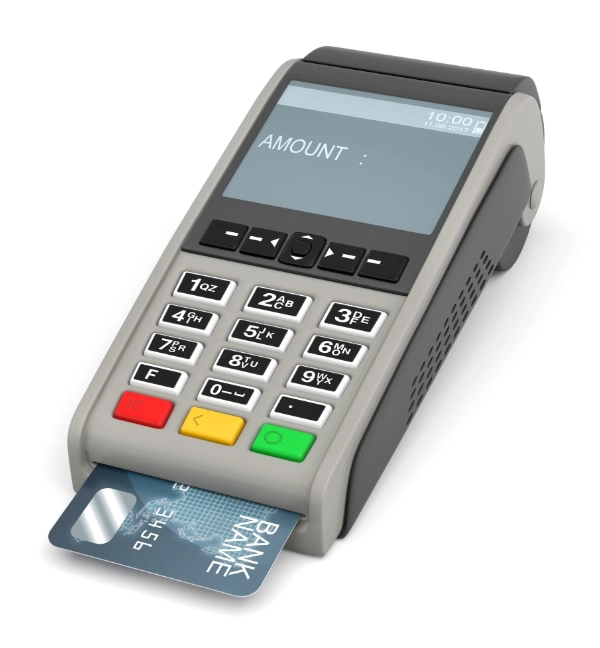
Geo-fencing technology enables regulators and payment infrastructure providers to monitor the approved operating locations of PoS terminals, helping to prevent the use of devices in unauthorized or suspicious locations.
The wider 70-metre radius is expected to address operational challenges related to location accuracy, especially for agency banking operators and merchants working in areas with poor network coverage and infrastructure limitations.
The extension gives operators additional time to complete system upgrades, geo-tagging processes, and ISO 20022 migration requirements introduced under the CBN’s earlier payments modernization directive issued in August 2025.

Industry stakeholders had raised concerns over the practicality of the earlier 10-metre restriction, arguing that it posed challenges for mobile agents and businesses operating in densely populated or underserved areas.
The latest adjustment signals the regulator’s attempt to balance stricter anti-money laundering controls with operational realities in Nigeria’s fast-growing digital payments sector.