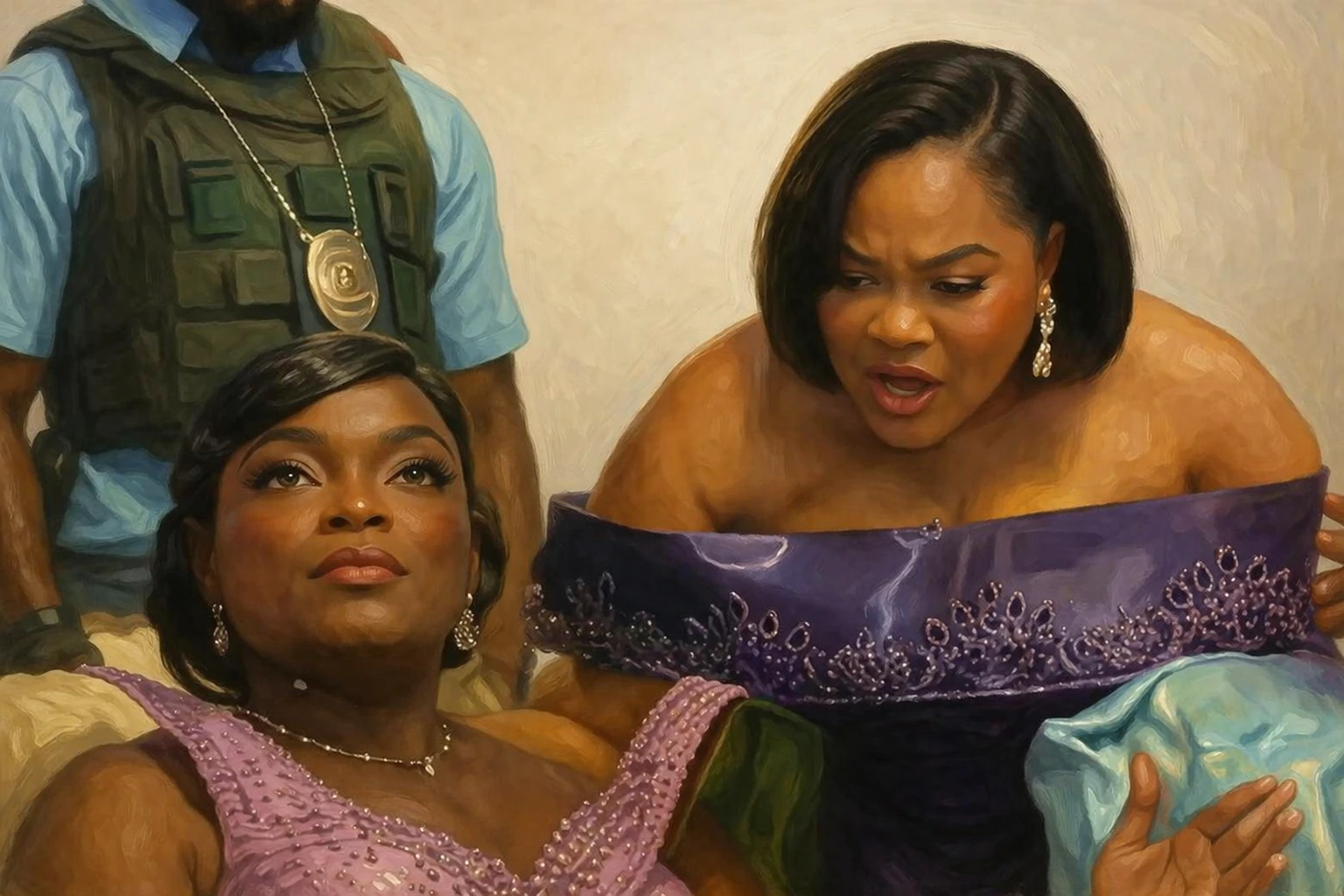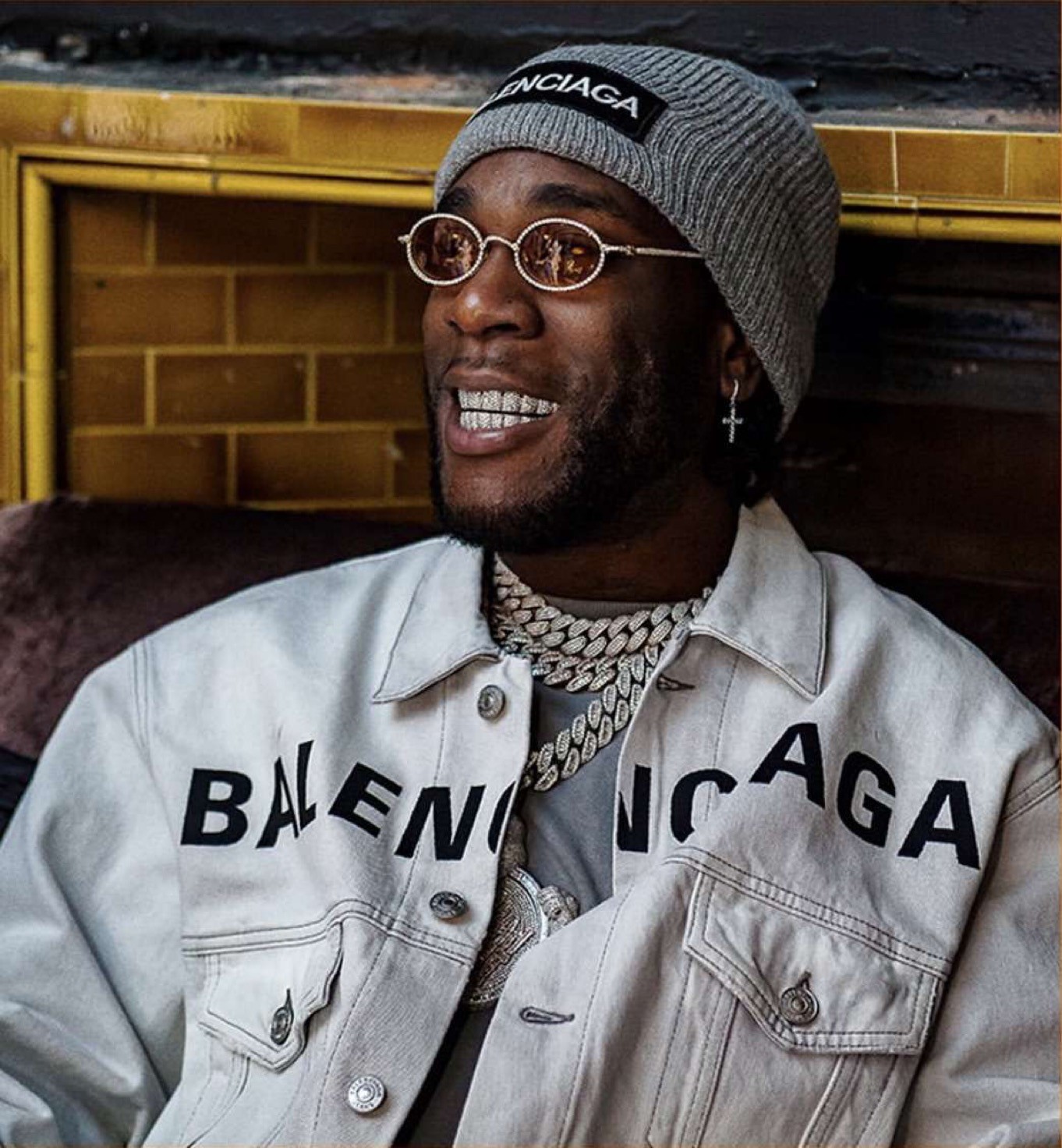
Reports circulating online claim that Grammy-winning Nigerian artist Burna Boy faced difficulties entering Morocco ahead of his scheduled performance at the Africa Cup of Nations (AFCON)ceremony, allegedly due to the high value of jewelry he was carrying.
According to the narrative gaining traction on social media, the jewelry was estimated to be worth over $10 million, triggering suspicion from Moroccan customs officials.
The story further alleges that Burna Boy had to contact CAF President Patrice Motsepe to intervene, after customs officials reportedly questioned how a single individual—particularly from Nigeria—could legitimately own such valuable items.
While no official statement has been released by Moroccan authorities, CAF, or Burna Boy’s team to confirm the details, the incident has reignited debates that go far beyond luxury jewelry or celebrity privilege.
The Backstory: Why the Story Won’t Go Away
The controversy emerged against the backdrop of AFCON’s high-profile opening ceremony, where Burna Boy was one of the most anticipated performers.
Previous AFCON editions have seen logistical hiccups involving artists, staging delays, and last-minute diplomatic interventions—making the story believable enough for it to spread rapidly.
In addition, Burna Boy’s well-known love for high-value jewelry, designer fashion, and bold self-expression has often made headlines, giving the narrative an air of plausibility in the public imagination.
A Different Angle: Border Protocols, Not Personal Bias?
What has largely been missing from the conversation is the legal and procedural reality of international border control.
Many countries, including Morocco, enforce strict asset declaration laws at ports of entry.
Travelers—celebrity or not—are often required to declare luxury items above a certain value, particularly when those items could be subject to taxation, temporary import bonds, or anti–money laundering regulations.
From this perspective, the situation may not have been about disbelief or nationality, but rather compliance with customs protocols, documentation gaps, or the absence of advance clearance typically arranged for high-profile performers.
Celebrity Logistics in Africa: An Underdeveloped System
Another underreported issue is the lack of standardized celebrity travel frameworks across African events.
Unlike major Western award shows or global sporting events, African tournaments often rely on ad-hoc arrangements, leaving artists vulnerable to misunderstandings at borders.
Had there been a clearly defined artist facilitation process, including pre-declared valuables and diplomatic clearances, the situation—if it occurred as reported—might never have escalated.
Perception Still Matters
That said, public reaction has focused heavily on the alleged remark questioning how someone “from Nigeria” could own such wealth. Whether factual or not, the phrase has resonated because it touches on long-standing sensitivities around stereotypes, economic profiling, and intra-African bias.
The viral response suggests that many Africans see the story as symbolic of a broader issue: the struggle for African success stories to be taken at face value without suspicion.
What We Know—and What We Don’t
At this time:
- No official confirmation has validated the exact claims.
- Neither CAF nor Moroccan customs have issued statements.
- Burna Boy has not publicly addressed the matter.
Until verified details emerge, the story remains a mix of circulating reports, public sentiment, and unresolved questions.

Bigger Than Burna Boy
Whether entirely accurate or partially exaggerated, the controversy has sparked an important conversation about:
- How African celebrities are treated across borders
- The need for clearer event logistics and artist protection
- The balance between security, law enforcement, and cultural sensitivity
In that sense, the Burna Boy–Morocco incident may prove more significant for what it reveals about African systems than about one artist’s jewelry