Nigeria Positions Itself as Continental Security Leader as AU Experts Convene in Abuja
Nigeria has moved to reinforce its role as a key driver of regional security. Experts of the African Union (AU) Peace and Security Council (PSC) opened a two-day technical session in Abuja on Tuesday. The aim is to shape the AU’s next counterterrorism and security roadmap.
The meeting, hosted at the National Counterterrorism Centre (NCTC), places Nigeria at the centre of discussions. These discussions are expected to influence the AU’s peace and security priorities for 2026–2030.
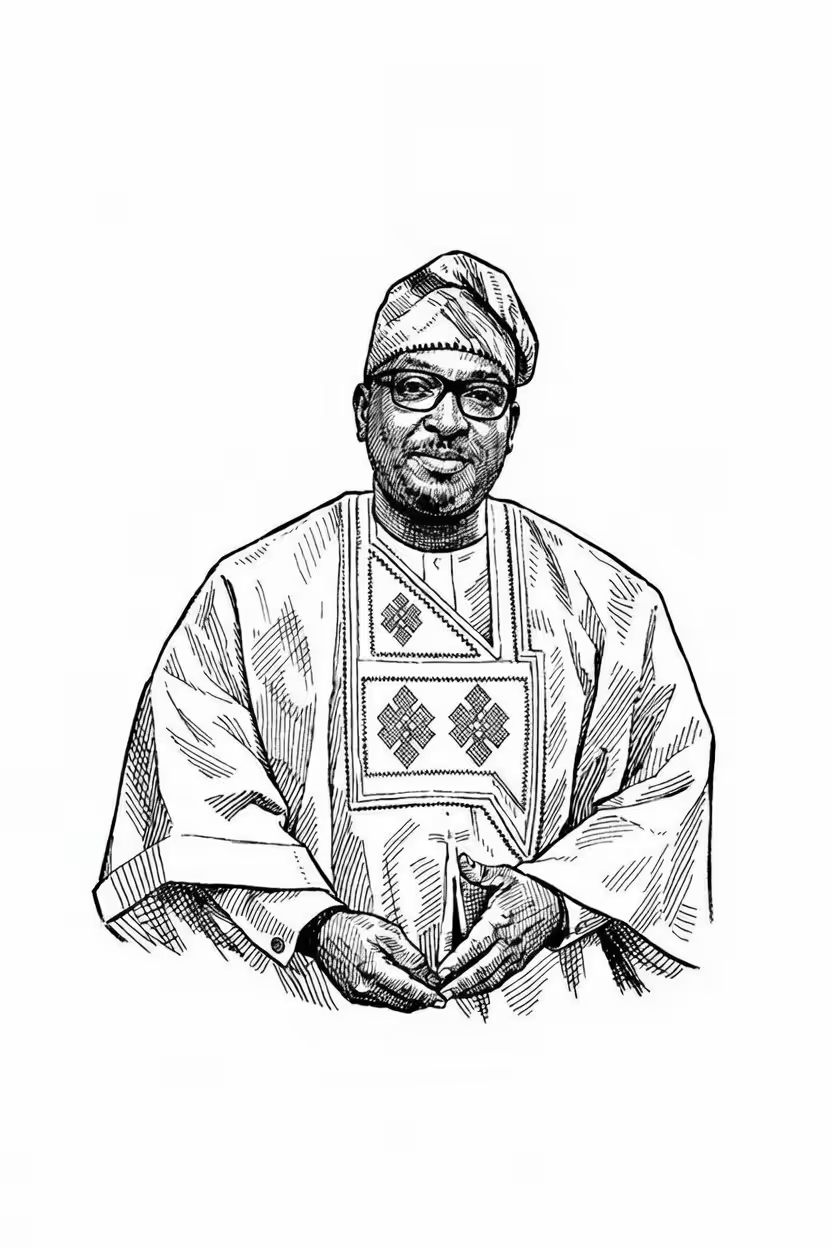
National Coordinator of the NCTC, Maj. Gen. Adamu Laka, said Nigeria’s hosting of the strategic engagement underscores the country’s “decisive leadership.” This leadership is in strengthening continental response to emerging threats, in line with Agenda 2063 and the Silencing the Guns agenda.
He highlighted that the Abuja session reflects growing recognition of Nigeria’s capacity and commitment. This capacity is to drive regional security reforms. Laka pointed to the September 2025 Memorandum of Understanding between the NCTC and the AU Commission as a turning point. It is crucial in harmonising intelligence sharing and counterterrorism strategies across Africa.
“Regional cooperation and shared intelligence remain crucial to Africa’s collective security,” he noted. He stressed that Nigeria remains at the frontline of shaping new security solutions for the continent.

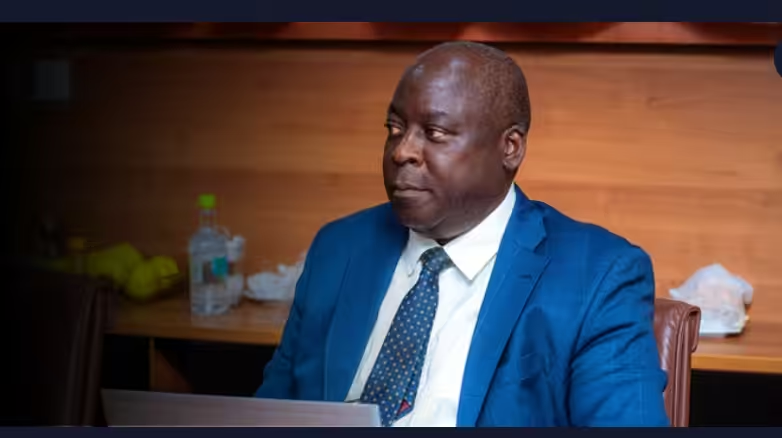
Chairperson of the AU PSC and Cameroon’s Permanent Representative, Dr Jean Djeunkeng, echoed the need for stronger coordination. He said the PSC must improve its working methods to effectively respond to conflicts. This need arises amid rising instability across Africa.
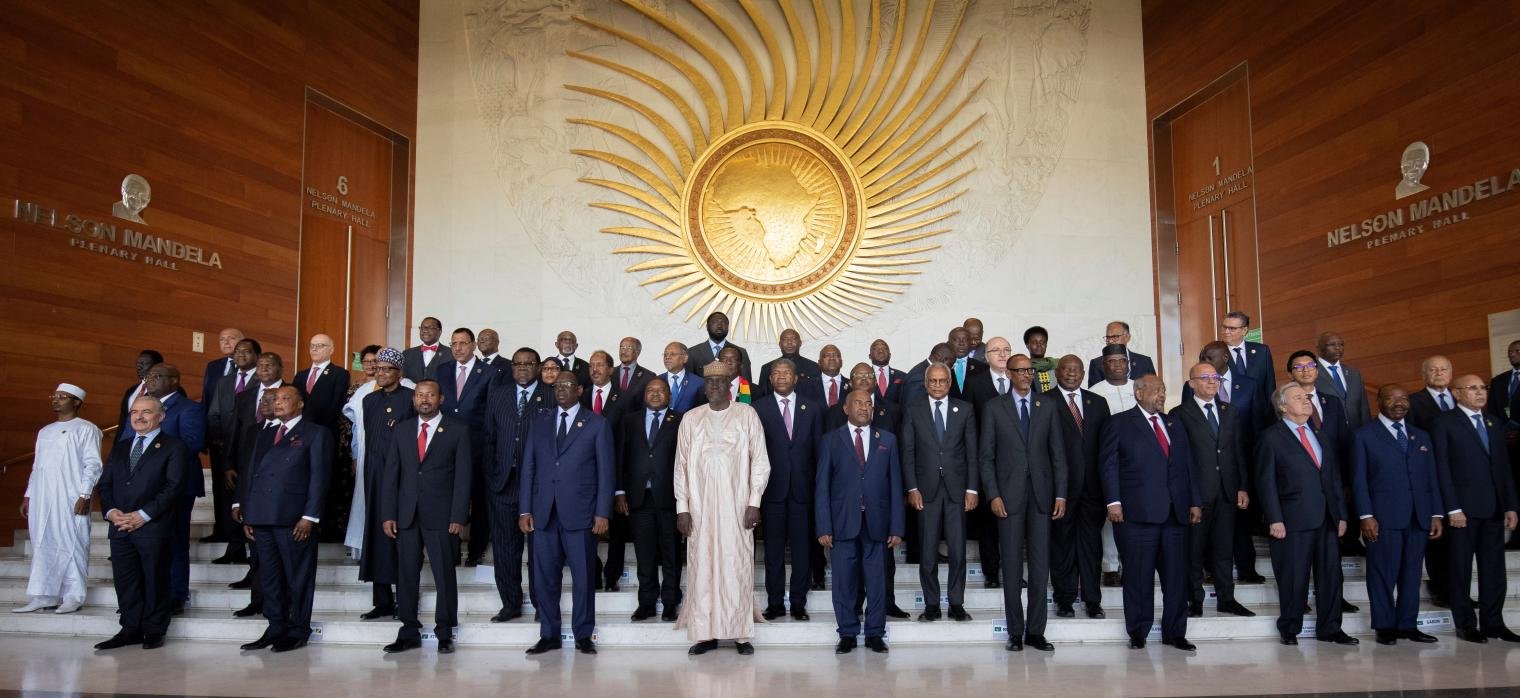
With representatives from AU member states, the AU Commission, and regional blocs in attendance, the meeting is expected to produce new recommendations. These recommendations will influence how the AU responds to terrorism, political instability and transnational security threats over the next four years.