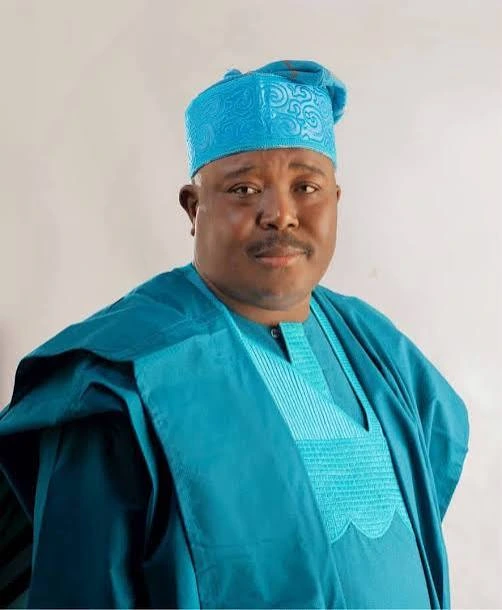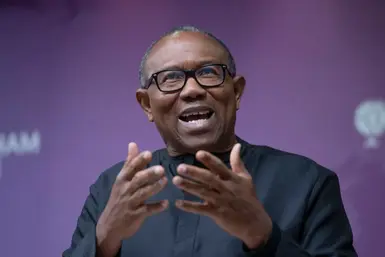
The presidential candidate of the Nigeria Democratic Congress (NDC), Peter Obi, has pledged that a government led by him and his running mate, Rabiu Kwankwaso, would generate, transmit and distribute at least 10,000 megawatts (MW) of electricity if elected in the January 16, 2027 presidential election.
Obi made the commitment on Friday, November 20, during a town hall meeting in Onitsha, Anambra State, where he said the pair had assessed Nigeria’s electricity challenges and were already planning how to address them.
According to him, their administration would take responsibility for the entire electricity value chain rather than attribute poor performance to inherited problems or officials from previous administrations.
“Today, Nigeria only generates, transmits and distributes about 4,000MW of electricity. Kwankwaso and I assure you that within our tenure, Nigeria will generate, transmit and distribute at least 10,000MW,” Obi said.
He added that the commitment was based on an assessment of existing challenges rather than promises that would be reconsidered after assuming office.
“Take note of everything I said here, we don’t want to make fake promises. And we’re not going to go there and start telling you when we came in what we saw. We are seeing everything now, and we are planning for it,” he said.
“We’re not going to come in and tell you that, ‘oh, some people are still in charge.’ One person must be in charge.”
Obi has repeatedly made the commitment during his political engagements. In May, while accepting the NDC presidential ticket, he promised to achieve the target within four years if elected.
Nigeria’s Electricity Generation Challenges
Data from the Nigerian Electricity Regulatory Commission (NERC) showed that grid-connected power plants generated an average of 4,022.40 megawatt-hours per hour in the second quarter of 2026.
The figures highlight the gap between Nigeria’s current electricity output and the 10,000MW target proposed by the opposition presidential candidate.
Beyond generation, the electricity sector continues to face challenges involving transmission infrastructure, distribution efficiency, metering and revenue collection.
The Tinubu administration has however defended its performance in the electricity sector, citing the Electricity Act 2023, investments in grid expansion and off-grid electricity projects, as well as the Presidential Metering Initiative.
The Federal Ministry of Power said in July 2025 that installed generation capacity had increased from 13,000MW to 14,000MW under the administration, while peak generation had reached 5,801MW.