Ghana plans to ban the export of unprocessed minerals by 2030 as the government seeks to expand domestic refining, attract investment in mineral processing and retain more economic value from the country’s natural resources.
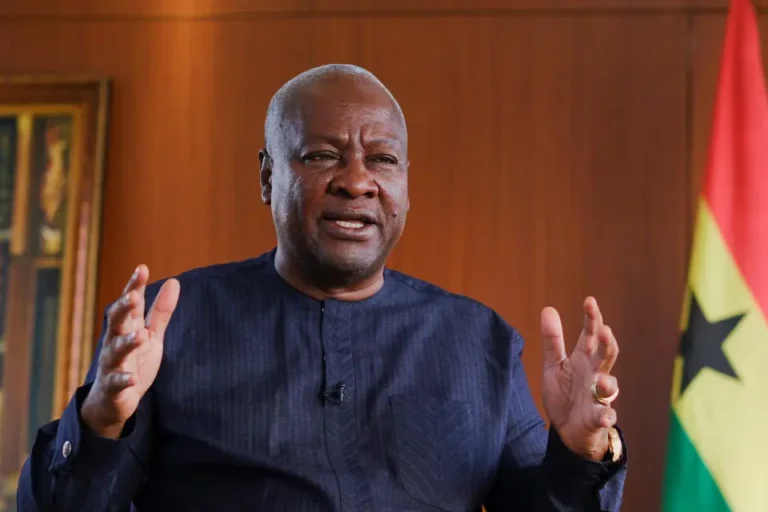
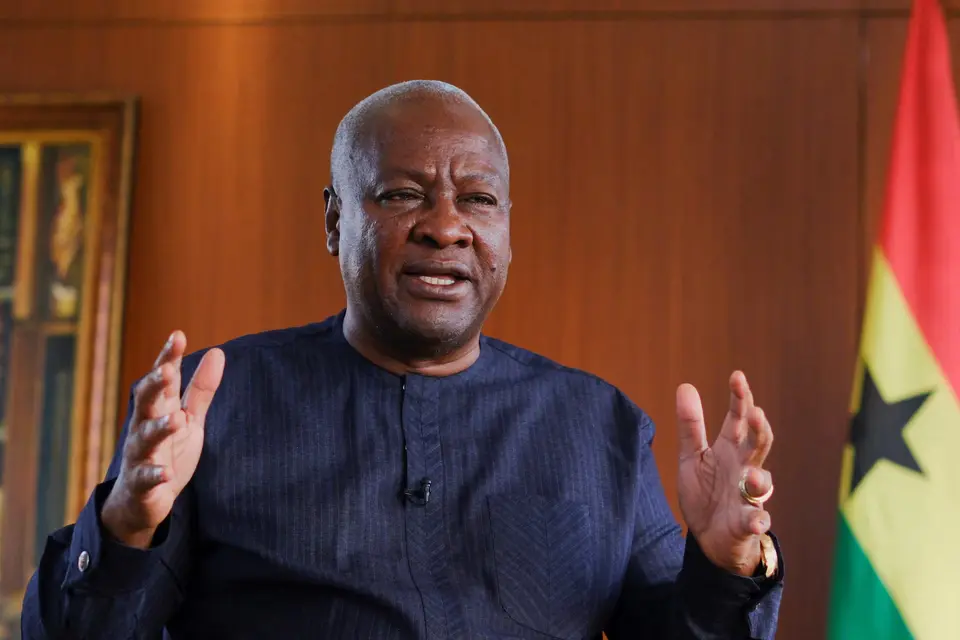
President John Dramani Mahama announced the proposed policy on Monday, October 19, 2026, while addressing the Mining in Motion Summit in Accra, saying the country would shift away from exporting raw materials towards developing industries that process minerals locally.
“I’ve set a clear goal that by 2030, raw minerals should no longer leave our shores,” Mahama said.
“Our bauxite, manganese, iron, lithium and other minerals must support processing and industrial development here at home.”
The government intends to use the policy to encourage local processing, create opportunities for industrial investment and capture a greater share of the value generated from mineral production.
Mahama also said companies seeking access to Ghana’s mineral deposits would be expected to invest in domestic processing, with the obligations incorporated into mineral agreements.
“Investors must understand the processing obligations associated with access to our resources,” he said.
Ghana Expands Restrictions on Mineral Exports
The proposed 2030 ban builds on existing measures designed to retain more value from Ghana’s mineral resources.
On September 1, 2026, Ghana introduced a restriction on exports of unrefined gold doré purchased under approved artisanal and small-scale mining offtake arrangements.
Under a directive issued by the Ghana Gold Board, known as GoldBod, licensed self-financing aggregators must ensure that gold purchased through approved offtakers is refined at designated facilities within Ghana before export.
The country has also restricted exports of iron scrap and non-ferrous metals to preserve raw materials for domestic industrial use.
Ghana’s plans form part of a broader trend across Africa, where mineral-producing countries are considering or implementing restrictions to encourage local processing and reduce dependence on exports of raw commodities.
Guinea is considering restrictions on bauxite exports, while Zimbabwe is moving towards prohibiting exports of lithium concentrate. The Democratic Republic of Congo has also imposed limits on cobalt exports as part of efforts to regulate supply.
Meanwhile, Guinea, Burkina Faso, Mali and Ivory Coast have established gold refineries or announced plans to develop domestic refining capacity.