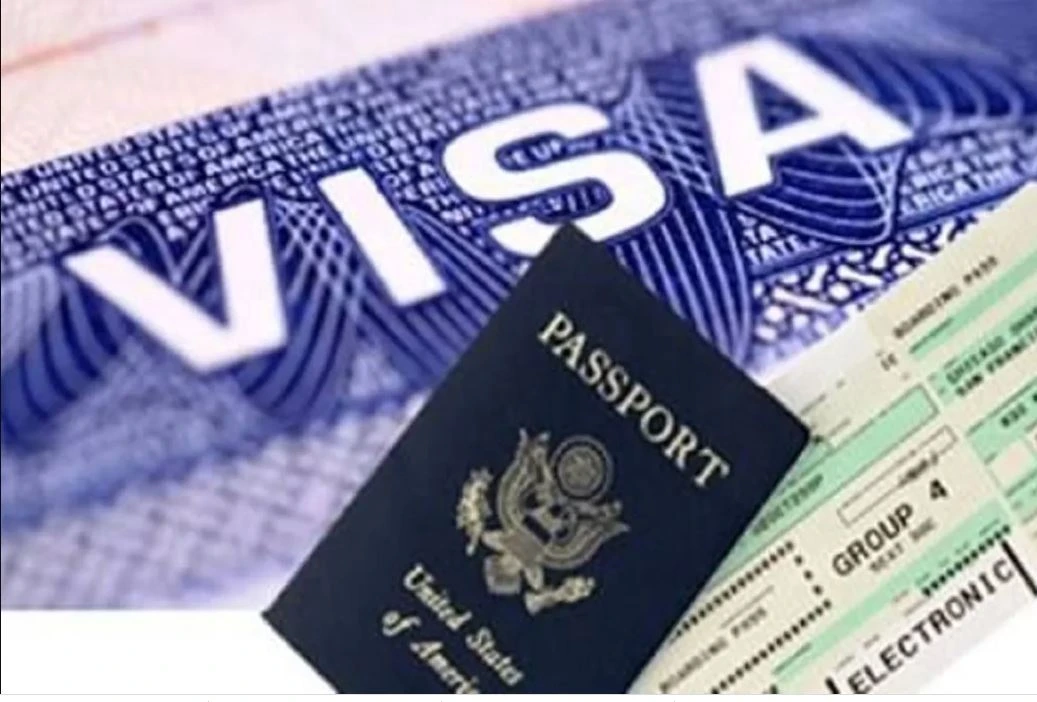
The United States will expand mandatory social media screening for certain visa applicants from October 1, 2026, requiring applicants in the affected categories to make their social media profiles public or open.
The new requirement will apply to applicants for I visas, which cover foreign journalists and other media representatives, as well as TN professionals and TD dependants under the United States-Mexico-Canada Agreement (USMCA).
The US Department of State said the expanded online presence review forms part of its broader visa screening and vetting process. Applicants in the affected categories have been instructed to adjust the privacy settings on their social media accounts to “public” or “open.”
Affected Visa Categories
The I visa is a temporary US visa for foreign media representatives, including journalists, reporters and other representatives of foreign information media travelling to the US for qualifying media activities.
The TN visa is available to eligible Canadian and Mexican professionals whose occupations are covered under the USMCA and allows them to work temporarily in the US in their approved profession.
The TD visa is issued to eligible spouses and unmarried children of TN visa holders, allowing them to accompany or join the TN professional in the US.
From October 1, applicants in all three categories will be subject to the public-profile requirement, joining other nonimmigrant visa categories already covered by expanded social media screening.
US Visa Social Media Screening
In 2025, the US required visa applicants to disclose social media usernames or handles used during the previous five years on the DS-160 application form. The measure formed part of the US government’s expanded digital vetting process.
Student and exchange visitor applicants were also subjected to social media screening when the US resumed processing of F, M and J visa applications in June 2025. Applicants in those categories were required to make their social media accounts available for screening.

The categories already covered by the expanded screening include F-1 and F-2 student visas, M-1 and M-2 vocational student visas, J-1 and J-2 exchange visitor visas, H-1B and H-4 temporary worker categories, among others.
For Nigerian travellers, the development comes amid other changes to US visa requirements. The source notes that most new nonimmigrant visas issued to Nigerians were limited to single-entry visas with three-month validity in 2025, while applicants were also required to disclose social media usernames used during the previous five years.