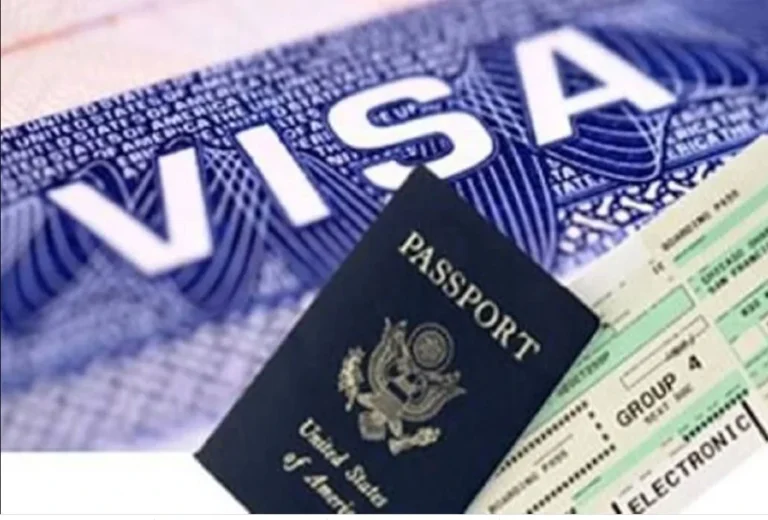
The United States has denied visas to some members of Iranian President Masoud Pezeshkian’s delegation, including communications staff, ahead of the 81st United Nations General Assembly in New York, Iranian state media reported on Monday.
The reported refusals come days after Washington confirmed that it would permit Pezeshkian and other senior Iranian officials to attend the gathering, despite the ongoing war between the two countries.
Iran’s state news agency IRNA described the visa denials as an “unprecedented hostile move” by the US government, reporting that members of the president’s communications team were among those affected.
The Mehr news agency also reported the development, citing a spokesperson for the Iranian presidency.
Pezeshkian is scheduled to address the General Assembly on Wednesday. His visit would make him the highest-ranking Iranian official to enter the United States since the war began with US-Israeli strikes on Iran in February.
Washington approves senior officials’ travel but imposes restrictions
The State Department said last week that Iran’s core delegation would be allowed to attend the UN meetings in line with Washington’s obligations as host country.
The approved delegation includes Pezeshkian and Foreign Minister Abbas Araghchi, along with essential staff, according to US officials cited in earlier reports.
However, permission to attend does not mean unrestricted access to the United States. Washington has imposed limits on the delegation’s movements and purchases, including a prohibition on buying luxury goods and certain other items.
The restrictions broadly follow measures imposed on Iran’s delegation during last year’s General Assembly.
Hormuz dispute adds to diplomatic tensions
The visa dispute unfolds as Washington and Tehran remain locked in a confrontation over the war and the strategic Strait of Hormuz, a critical route for global oil and gas shipments.
Iran says it has conveyed conditions for reopening the waterway to the United States through Qatar, which has acted as a mediator. Tehran has restricted shipping through the strait since the conflict began.
The United States, meanwhile, is enforcing a counterblockade of Iranian ports, adding another pressure point to the standoff.
Araghchi, who is part of the delegation travelling to the UN, left Iran on Sunday evening and was expected to stop in Qatar.

His diplomatic engagements come as the two governments face pressure over the conflict’s regional and economic consequences, including disruption to energy shipping.
The General Assembly will provide an opportunity for Iranian officials to present their position directly to world leaders, even as the visa restrictions highlight the limits on their access to the host country.