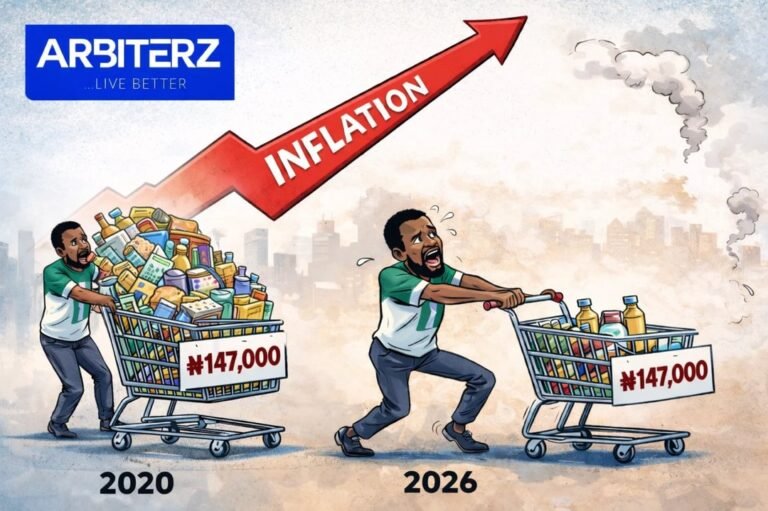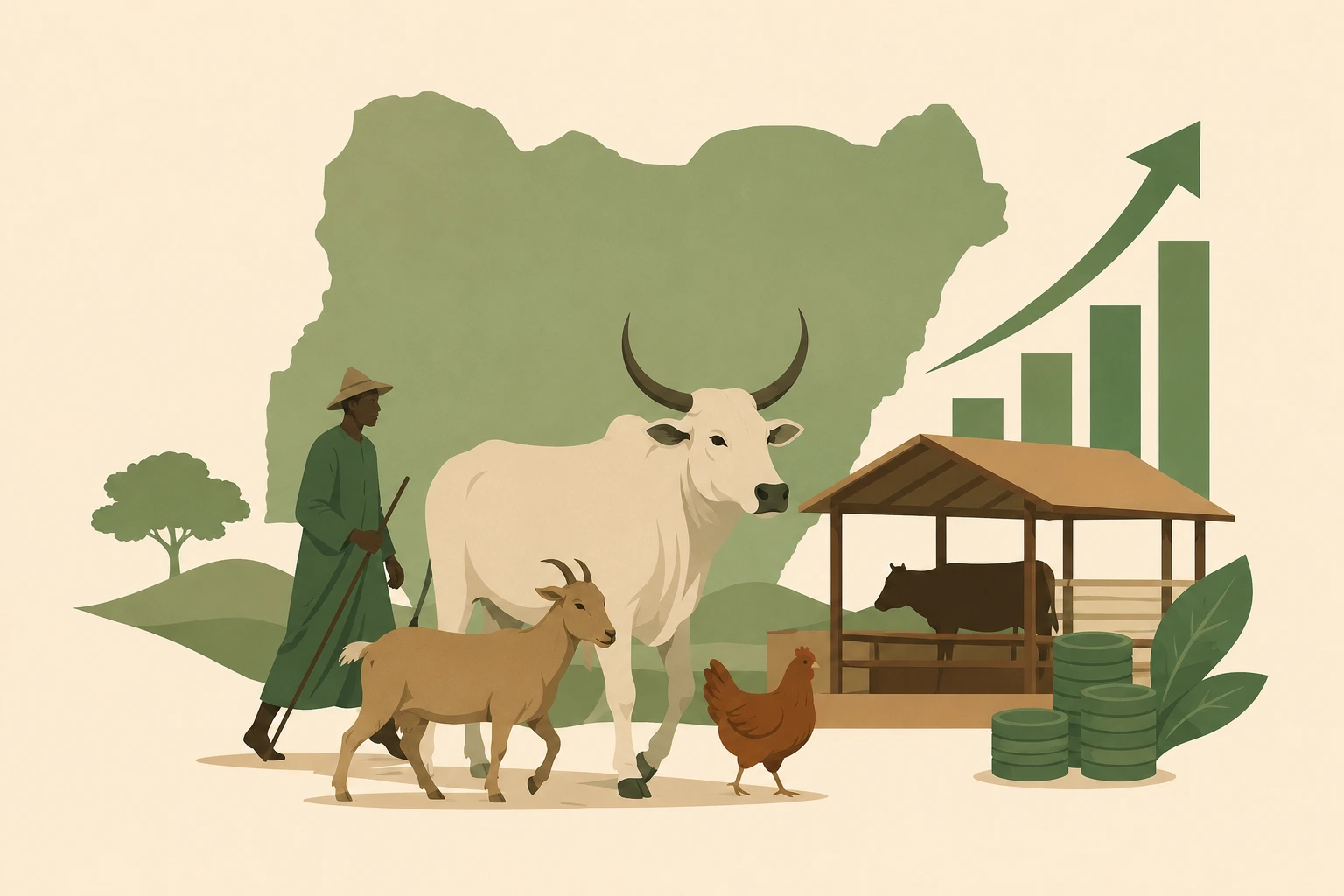
Nigeria’s food inflation rate eased to 19.57% year-on-year in August 2026 from 20.31% in July, indicating a moderation in the pace of food price increases as the main harvest season begins to improve the supply of key agricultural commodities.
The decline, reported by the National Bureau of Statistics (NBS), represents a 0.74 percentage-point reduction in the annual food inflation rate between July and August.
The moderation suggests that increased availability of locally produced food is beginning to provide some relief from the price pressures that have persisted across Nigerian households. The harvest season typically improves the supply of staples such as grains, vegetables, tubers and other agricultural products, although the extent of the impact varies across regions and commodities.
Food prices also recorded a slower increase on a month-on-month basis in August, compared with the sharp 5.56% increase recorded in July. The moderation points to a reduction in the intensity of short-term food price pressures, although prices remain significantly higher than a year earlier.
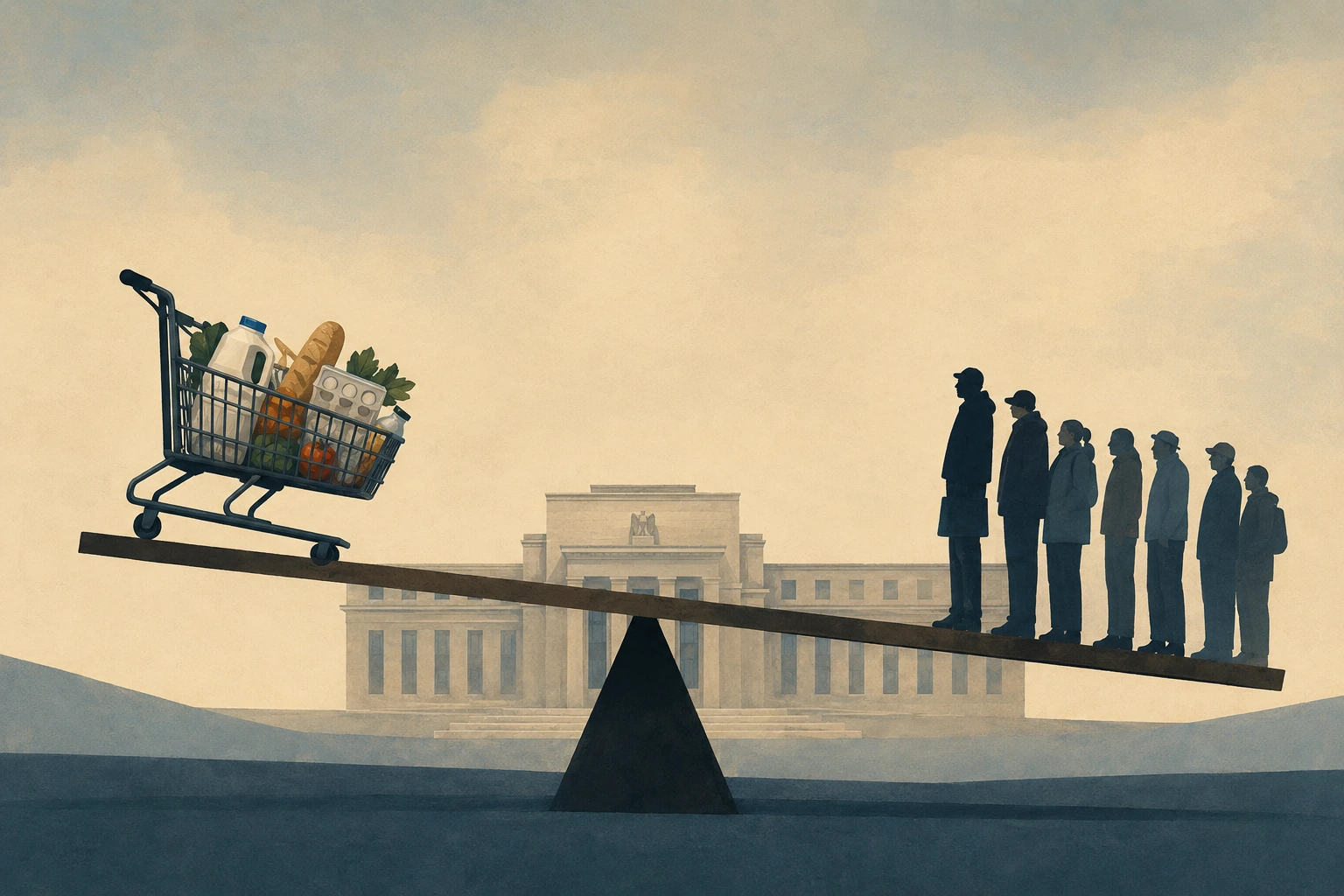
Despite the improvement, food inflation remains one of the most important sources of pressure on household budgets and continues to account for a significant share of Nigeria’s overall inflation.
Harvest Season Taking Off Pressures
The easing comes at a time when increased agricultural supply is expected to play a larger role in determining food prices. As more crops enter the market during the harvest period, improved availability could help reduce the pressure created by supply shortages.

However, a sustained decline in food inflation will depend on more than increased farm output. Analysts have consistently pointed to transportation costs, storage constraints, insecurity in farming communities, post-harvest losses and weaknesses in agricultural logistics as factors that can prevent higher production from translating fully into lower consumer prices.
If these conditions improve, increased food supply could continue to moderate inflation in the months ahead. Conversely, renewed disruptions to agricultural production, transportation or distribution could limit the gains recorded in August.