A new internal dispute has emerged within Côte d’Ivoire’s main opposition party, the Democratic Party of Côte d’Ivoire–African Democratic Rally (PDCI-RDA), after a dissident group called for party president Tidjane Thiam to resign and urged the convening of an extraordinary congress to overhaul the party’s leadership.
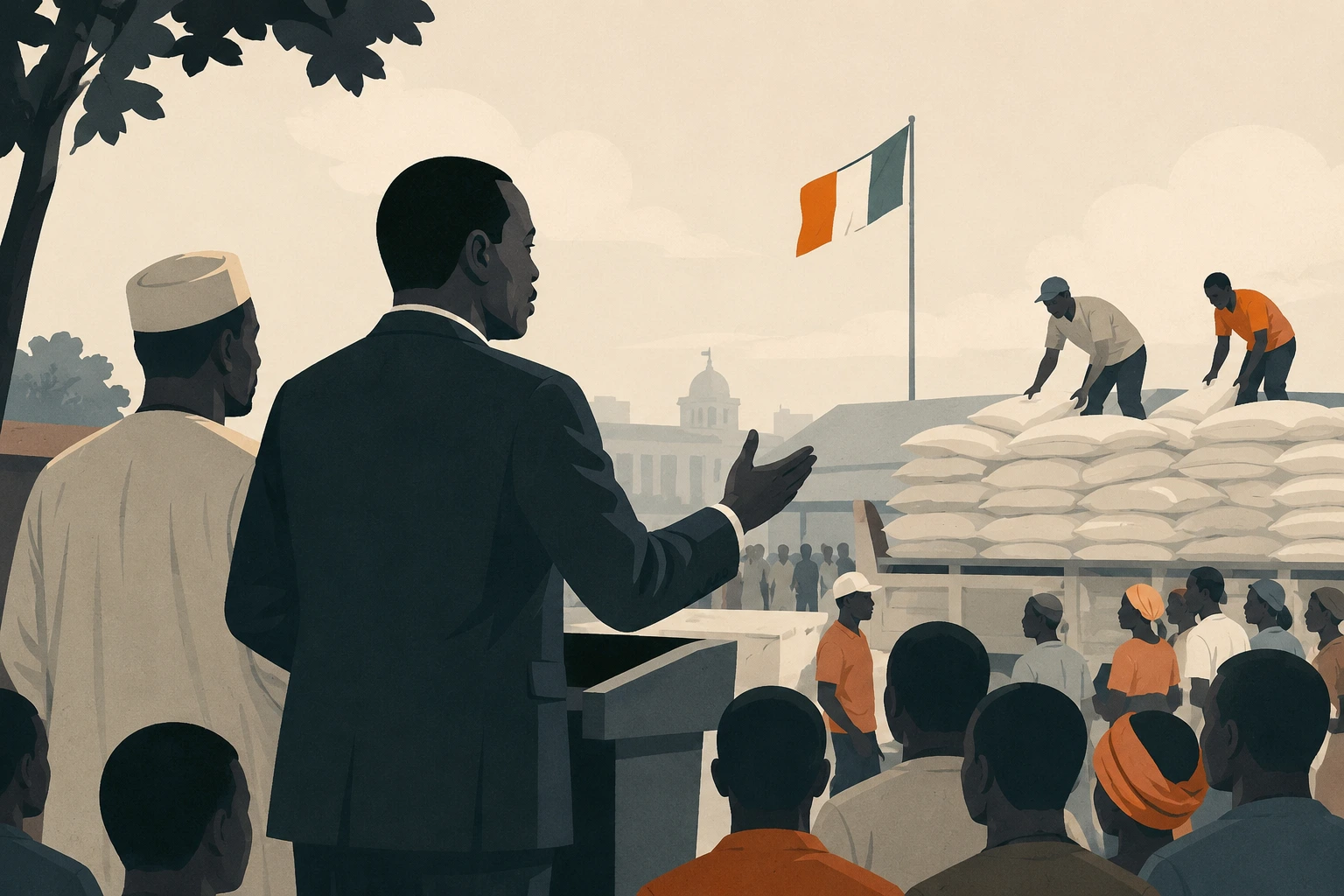
The group, operating under the banner of the Réseau d’Entraide Militant du PDCI-RDA (REM-PDCI), made its demands during a gathering in Yamoussoukro, where members accused the current leadership of failing to provide effective direction at a pivotal moment in the country’s political calendar.
The development marks a significant escalation in internal tensions that have simmered within the historic opposition party since the death of former president Henri Konan Bédié, although it remains unclear how much support the dissident movement commands across the party’s national structures.
Dissidents Cite Leadership Vacuum
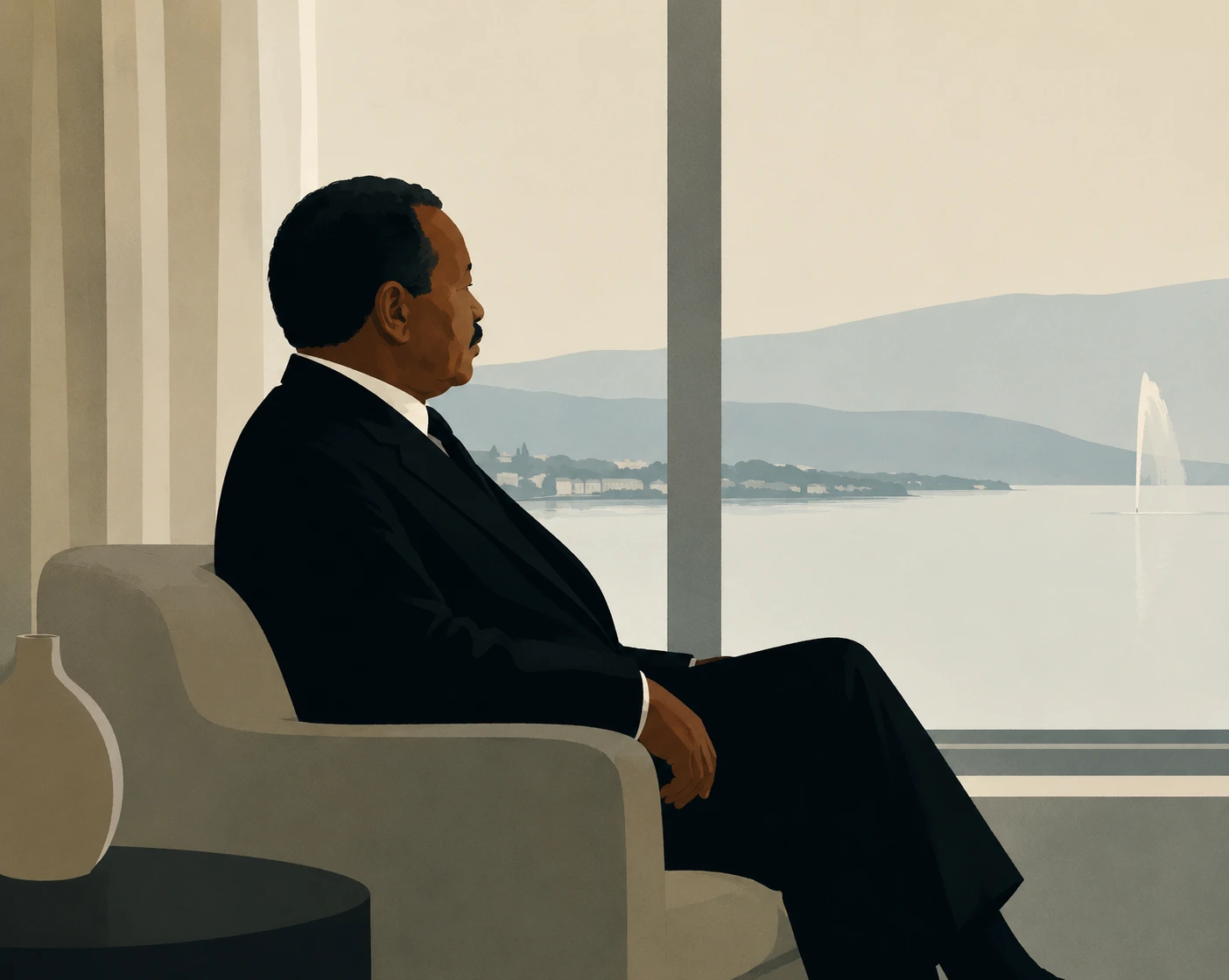
REM-PDCI members argue that the party has become increasingly disconnected from its grassroots base, blaming what they describe as an extended absence of senior leaders from Côte d’Ivoire.
Much of their criticism is directed at Tidjane Thiam, who has spent considerable periods abroad since assuming the presidency of the PDCI-RDA. Dissident speakers also questioned the effectiveness of the party’s administrative leadership, alleging that key officials responsible for daily operations are based outside the country.
According to the group, this has created a leadership vacuum that has weakened the party’s ability to organise, respond to political developments and prepare for future elections. The dissidents are demanding the immediate convening of the party’s Political Bureau and an extraordinary congress, arguing that the PDCI-RDA’s statutes provide mechanisms for resolving internal leadership disputes through democratic processes.
The latest criticism represents a notable change in REM-PDCI’s public posture.
When the movement was formally launched earlier this month, its president, Kouakou Marshall Balou, insisted that the network was not created to challenge Tidjane Thiam’s authority or divide the party. Instead, he described REM-PDCI as a platform intended to strengthen solidarity among members and improve communication between the leadership and grassroots supporters.
The movement’s latest call for Thiam’s resignation therefore signals a sharp escalation in its campaign and suggests that efforts to influence the party internally have given way to open demands for leadership change.
As of publication, Tidjane Thiam and the PDCI-RDA leadership had not publicly responded to the dissidents’ latest demands.
The absence of an official reaction leaves uncertainty over whether the party intends to engage with REM-PDCI’s concerns or dismiss the movement as representing only a small faction.
Only weeks earlier, several regional and departmental party officials had publicly reaffirmed their support for Thiam, calling for unity within the PDCI-RDA ahead of the country’s next electoral contests. That display of loyalty suggests the party establishment continues to back its leader despite growing criticism from some members.
Electoral Concerns Fuel Internal Debate
Beyond questions of leadership, REM-PDCI argues that the PDCI-RDA has struggled to maintain the electoral strength it enjoyed under the late Henri Konan Bédié.
Members of the movement claim that support has weakened in constituencies historically regarded as party strongholds, warning that the trend could continue if internal reforms are delayed.
However, the dissidents have not publicly released detailed electoral data to substantiate those claims, making independent verification difficult.
Political analysts note that internal disagreements over strategy, organisation and candidate selection are common in major political parties, particularly as election cycles approach. Whether REM-PDCI’s concerns resonate beyond its immediate supporters remains uncertain.
Several scenarios could now unfold.
The party leadership could choose to ignore the movement if it believes the dissidents lack broad support, a strategy that has been employed during previous internal disputes. Alternatively, senior officials could seek dialogue with REM-PDCI in an effort to ease tensions without reopening the leadership question.
Should the movement attract greater backing from influential regional leaders or members of the Political Bureau, pressure could grow for an extraordinary congress to debate the party’s future direction. Such a gathering would not necessarily threaten Thiam’s position if he retains the confidence of a majority of delegates, but it would provide an opportunity to test the strength of his mandate.
Bigger Questions for Côte d’Ivoire’s Opposition
The dispute also raises broader questions about the readiness of Côte d’Ivoire’s oldest opposition party as the country moves closer to future elections.
More than a disagreement over personalities, the emerging rift reflects competing views on how the PDCI-RDA should organise itself, reconnect with grassroots supporters and position itself as a credible alternative to the governing party.
The controversy has also revived debate over whether a national opposition leader can effectively direct party affairs while spending significant periods outside the country, even as supporters argue that modern communications allow political leadership to extend beyond physical presence.

For now, the political significance of REM-PDCI will depend largely on whether it remains a limited dissident network or succeeds in attracting wider support from within the party’s influential governing structures.
Until the PDCI-RDA leadership formally responds, the dispute is likely to intensify scrutiny of the party’s internal cohesion at a time when opposition unity is expected to play a critical role in shaping Côte d’Ivoire’s political landscape.