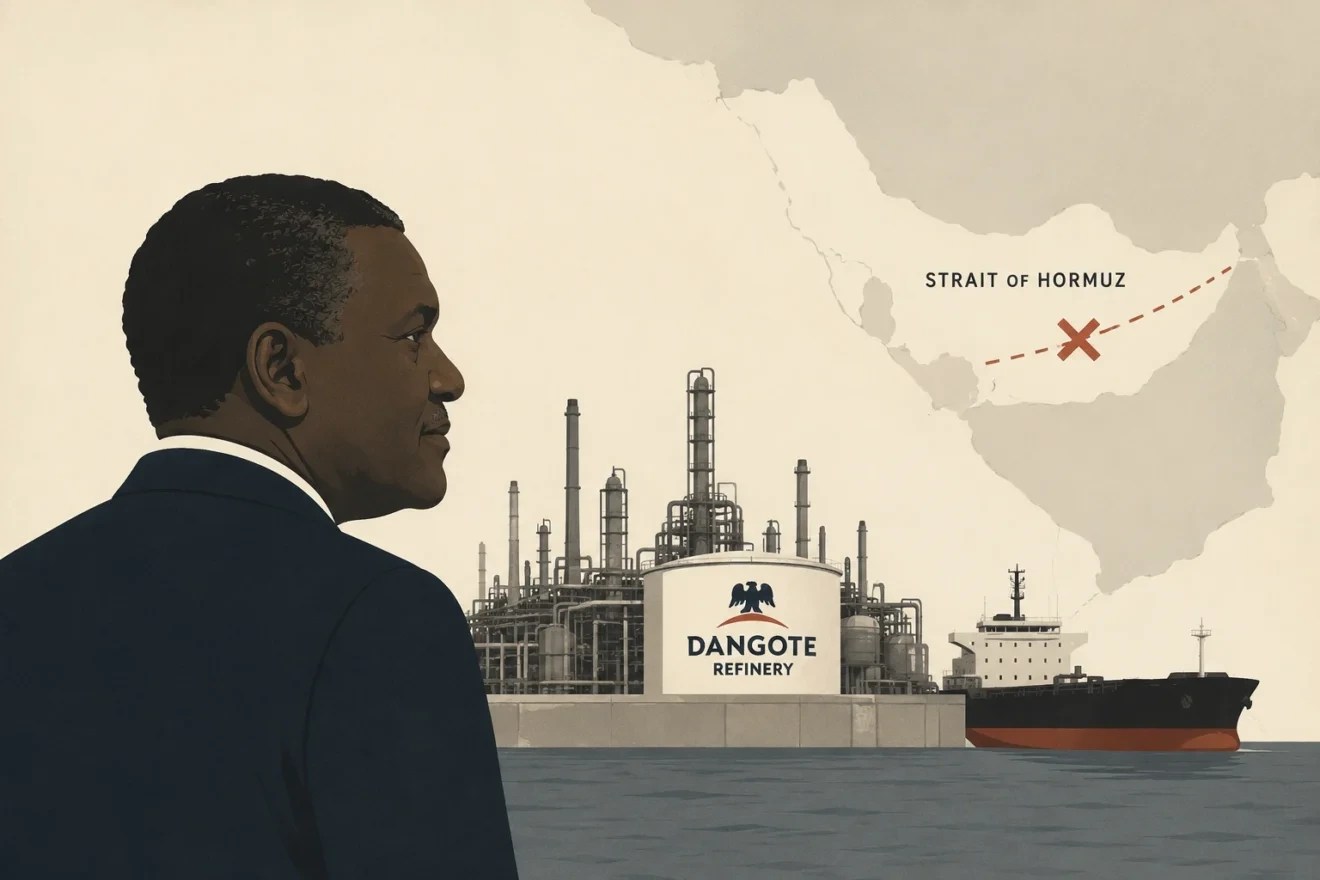
Dangote Refinery recently decided to price petroleum products in U.S. dollars rather than naira announcing a new ex-depot (gantry) prices of $0.779 per litre for Premium Motor Spirit (PMS), $1.087 per litre for Automotive Gas Oil (diesel) and $0.942 per litre for Jet A1 aviation fuel, while ending naira-denominated wholesale sales to marketers.
The announcement immediately raised concerns that fuel prices could become increasingly tied to fluctuations in Nigeria’s foreign exchange market, potentially exposing consumers to higher costs whenever the naira weakens.
Is pricing fuel in dollars legal?
Nigeria’s official legal tender is the naira under Section 20 of the Central Bank of Nigeria (CBN) Act, which requires domestic obligations to be settled in the country’s national currency. However, the law does not expressly prohibit businesses from denominating commercial contracts in foreign currencies, particularly in sectors with substantial international transactions such as oil and gas.
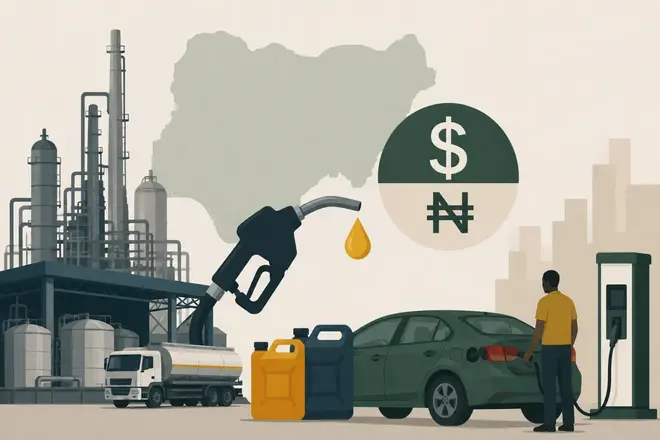
In Dangote Refinery’s case, the dollar pricing applies to petroleum marketers purchasing products at the depot. Motorists buying fuel at filling stations will continue to pay in naira, although the pump price may be adjusted to reflect prevailing exchange rates.
Why Dangote is switching to dollar pricing
Industry analysts say pricing products in dollars enables the refinery to reduce exposure to exchange rate losses that arise when the naira depreciates between the time products are sold and foreign obligations are settled.
Rather than bearing currency risk internally, the refinery effectively transfers that risk to petroleum marketers, who must source foreign exchange to purchase products.
What it means for Nigerians
Pump prices may become more volatile
The most immediate effect is that fuel prices could become more sensitive to movements in the exchange rate.
For example, a wholesale price of $0.779 per litre translates to approximately ₦1,091 per litre at an exchange rate of ₦1,400/$. If the naira weakens to ₦1,600/$, the same dollar-denominated product would cost roughly ₦1,246 per litre, even if the refinery does not increase its dollar price.
This means petrol prices could rise solely because of exchange rate depreciation.
Increased pressure on foreign exchange demand
Independent petroleum marketers will now require larger volumes of dollars to purchase products from the refinery. This could increase demand in Nigeria’s foreign exchange market, particularly if marketers cannot access sufficient foreign currency through official channels.
Higher demand for dollars could place additional pressure on the naira, especially during periods of constrained FX supply.
Independent marketers with limited access to foreign exchange may struggle to compete with larger companies that have stronger banking relationships or foreign currency earnings.
This could reduce competition within the downstream sector and potentially lead to temporary supply disruptions if smaller operators are unable to purchase products consistently.
Inflationary pressures
Any sustained increase in petrol prices typically feeds into hgher transportation costs, more expensive food distribution, increased manufacturing expenses and rising logistics costs.
These factors could contribute to renewed inflationary pressure after recent efforts to stabilize consumer prices.
What Can the Government do to Prevent This?
Authorities could revive or expand crude-for-naira supply arrangements, direct that domestic petroleum sales be settled in naira through regulatory agencies such as the Nigerian Midstream and Downstream Petroleum Regulatory Authority (NMDPRA), or introduce new guidelines requiring local wholesale transactions to be denominated in the national currency.

The Central Bank of Nigeria could also issue additional directives if it considers widespread dollar-denominated domestic transactions inconsistent with monetary policy objectives.
The ultimate impact of Dangote Refinery’s dollar pricing policy will depend on the stability of the naira, the availability of foreign exchange to marketers and whether regulators introduce measures to preserve naira-denominated transactions within Nigeria’s domestic fuel market.