Presidential economic adviser Dr. Tope Fasua has argued that inflation should not be viewed solely as an economic problem, saying rising prices also create winners within the Nigerian economy by increasing the earnings of farmers, traders, importers, and property owners.
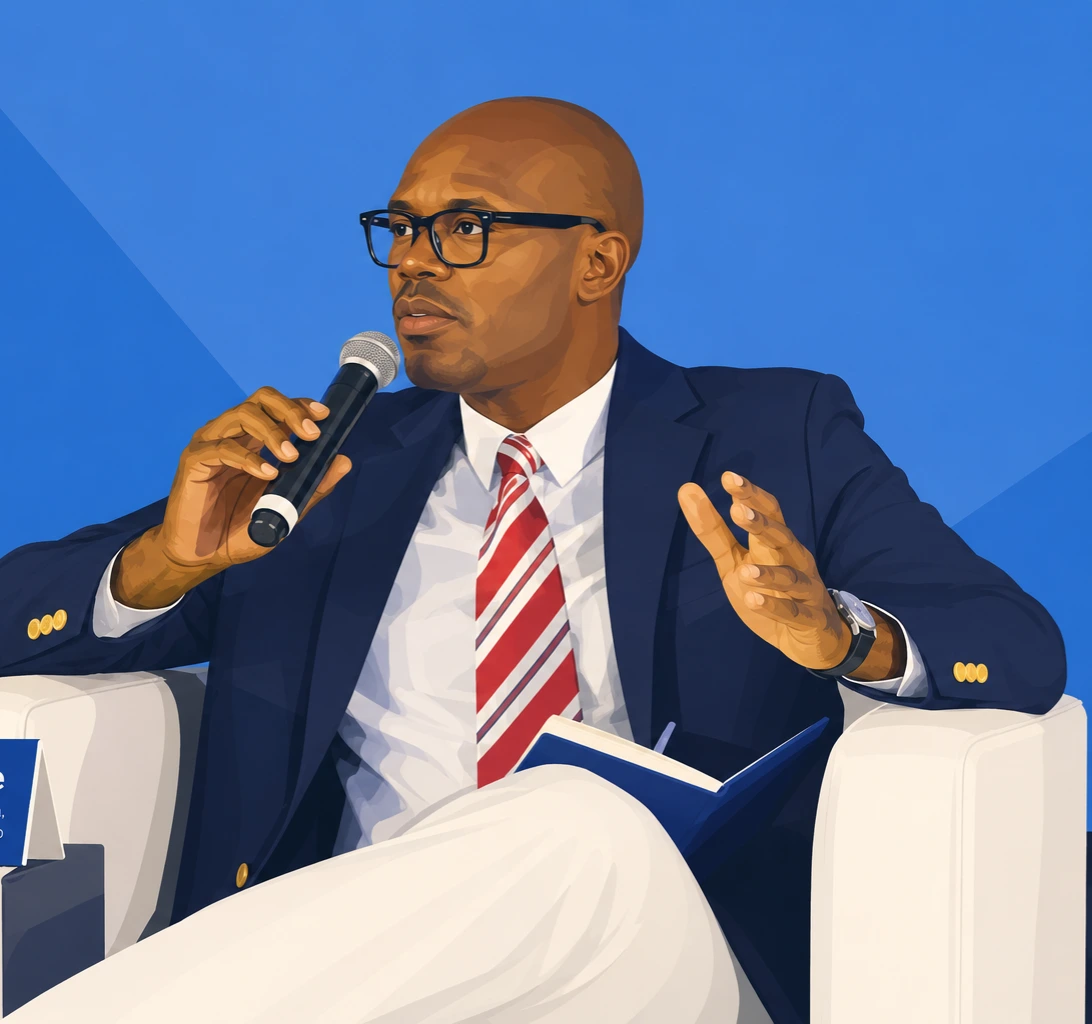
Speaking during an interview on Channels Television with anchor Seun Okinbaloye on the programme discussing Tinubunomics and the Nigerian economy, Fasua challenged what he described as a one-sided narrative surrounding inflation.
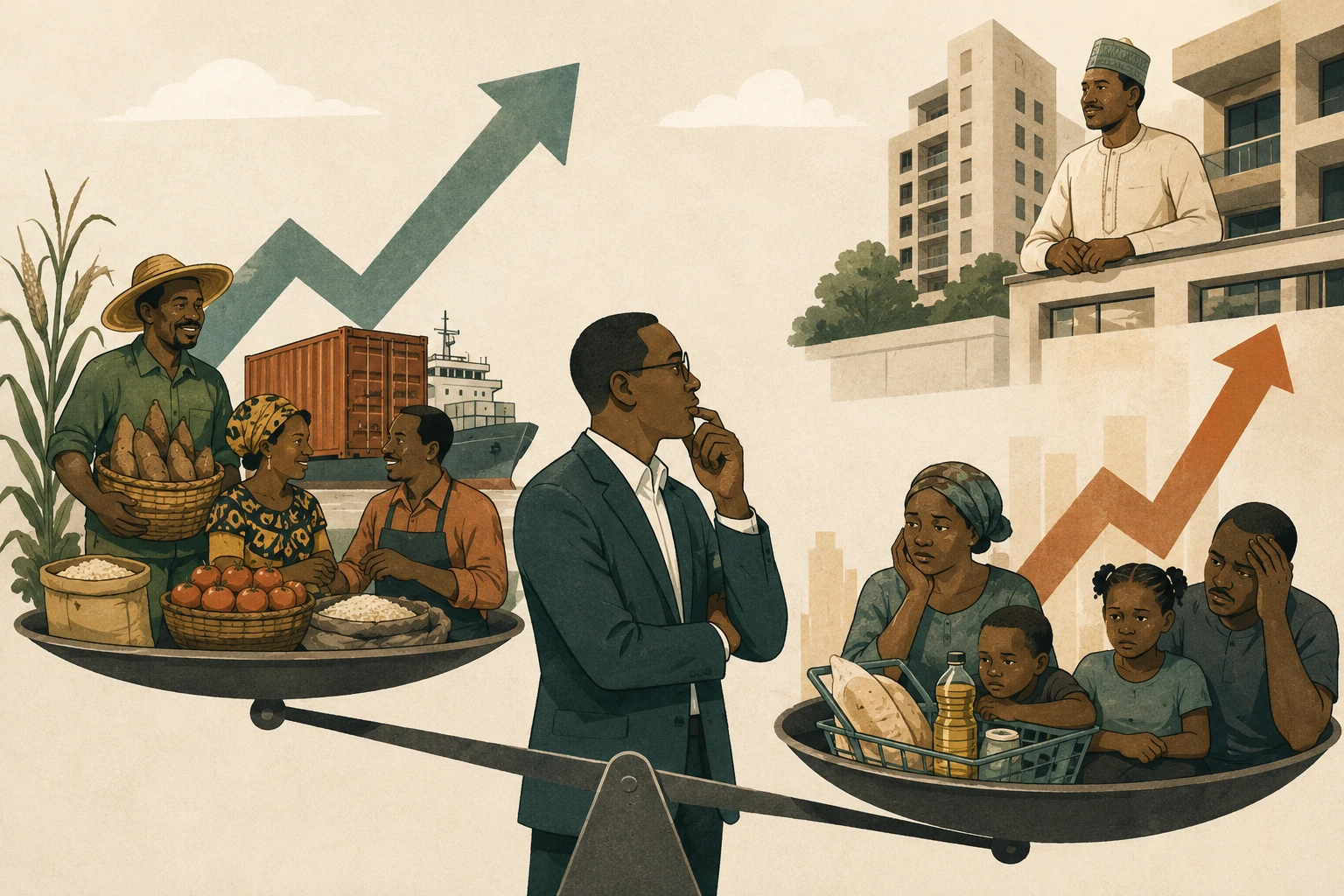
According to him, the surge in food prices witnessed between 2020 and 2024 translated into higher incomes for several groups of Nigerians involved in agricultural production and commerce.
“When prices went up between 2020 and 2024, farmers made the money, traders made the money, importers made the money. They are Nigerians,” Fasua said.
The economist also pointed to Nigeria’s housing sector, arguing that rising rents have similarly increased the earnings of landlords across the country.
“When the price of shelter goes up, Nigerian landlords make the money. They pocket the money,” he stated, maintaining that the gains from inflation are distributed across parts of the economy rather than existing in isolation.
SEE VIDEO
Inflation Creates Both Winners and Losers
Fasua contended that public discussions often focus almost entirely on the hardship inflation places on consumers while overlooking those whose incomes rise because of higher prices. Describing the situation as “50-50,” he argued that although consumers pay more for goods and services, many producers and asset owners simultaneously receive higher revenues.
Using food markets as an example, he said yam sellers, farmers and other participants in agricultural value chains benefit financially when prices increase.
Fasua further argued that evaluating inflation requires more rigorous economic analysis than simply relying on public dissatisfaction.He suggested that complaints about rising prices, while understandable, do not by themselves provide a complete picture of inflation’s overall impact on the economy.
According to him, economic research should account for both the households that face higher living costs and the individuals and businesses whose incomes increase during inflationary periods.
Debate Over Tinubunomics Continues
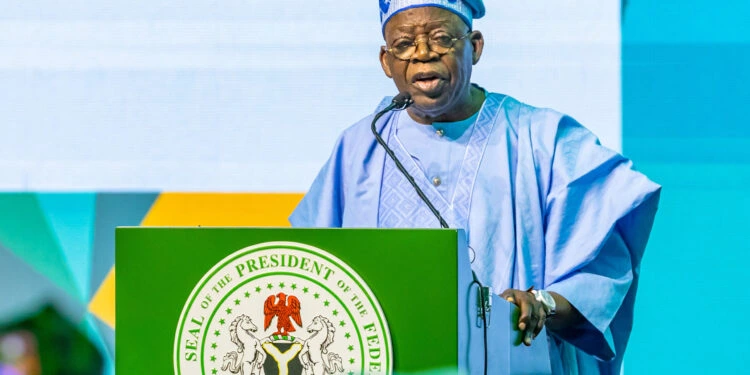
Fasua’s remarks come amid continuing public debate over President Bola Tinubu’s economic reforms, which have included major policy shifts such as fuel subsidy removal and exchange-rate liberalisation. While critics argue that inflation has significantly reduced purchasing power and increased the cost of living, supporters of the administration contend that the reforms are intended to create a more sustainable economy over the long term.
His comments are likely to further fuel discussions about whether inflation should be assessed only through its impact on consumers or also through the opportunities it creates for producers, businesses and asset owners within the economy.