Apple has increased prices across several MacBook and iPad models, citing soaring memory and storage costs driven by the rapid expansion of artificial intelligence infrastructure.
The price adjustments, announced on Thursday, mark the company’s first major move to pass rising component costs directly to consumers after Chief Executive Officer Tim Cook warned last week that the company could no longer fully absorb the impact of the global memory crunch.
According to Apple, unprecedented demand for memory and storage components used in AI data centres has triggered sharp increases in production costs across the consumer electronics industry.
“The rapid expansion of AI data centres has created an extraordinary surge in demand for memory and storage,” the company said in a statement. “We have never seen a component price increase this much, this quickly.”
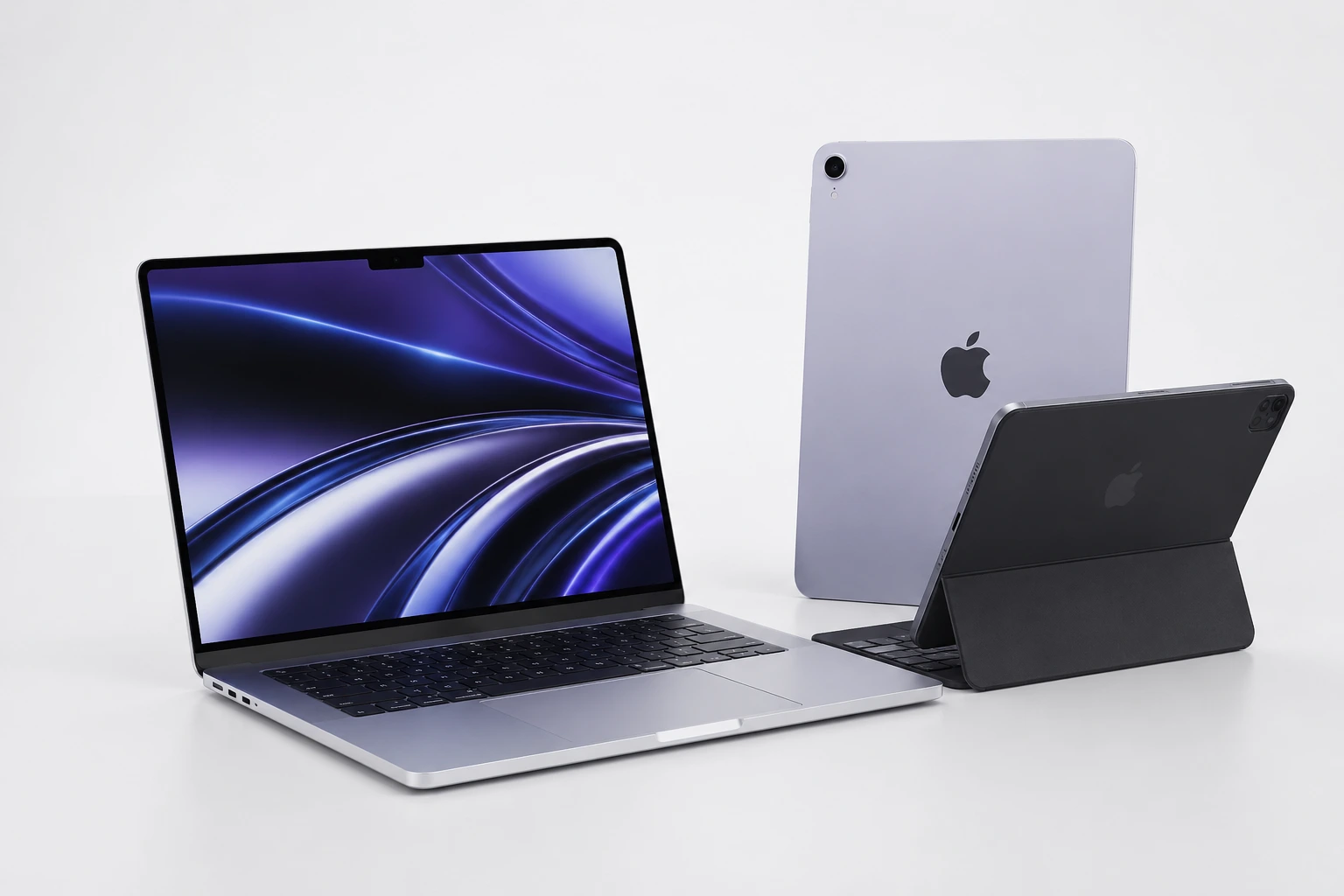
Among the products affected by the latest price revision, the MacBook Neo entry-level model rose from $599 to $699, while the MacBook Air with 512GB storage increased from $1,099 to $1,299. The MacBook Pro with 1TB storage climbed from $1,699 to $1,999.
Apple also raised the price of the iPad Air 128GB model from $599 to $749, while the iPad Pro Wi-Fi 256GB version increased from $999 to $1,199.
The company’s online store was temporarily unavailable before reappearing with the updated pricing.
Apple indicated that additional price increases may follow if component costs continue to rise.
“We have reached a point where we need to begin raising prices on a number of products,” the company said, adding that it is exploring ways to mitigate the impact on consumers.
The move follows comments by Cook in an interview last week, where he described the current memory shortage as an unprecedented event.
“This is a hundred-year flood,” Cook said. “I’ve never seen anything like it in any area in over 40 years.”
Memory and Storage Prices Continue to Rise
Industry analysts say memory and storage prices have quadrupled over the past three quarters as chipmakers redirect production capacity toward high-bandwidth memory used in AI servers.
The supply crunch has boosted profits for memory manufacturers. Chipmaker Micron recently reported that quarterly revenue more than quadrupled, while its gross margin surged to nearly 85 per cent.
Apple has historically managed rising component costs through product-line adjustments, including eliminating lower-cost configurations and encouraging customers to opt for higher-capacity models.
In May, the company discontinued the lowest-priced Mac mini configuration, removing the $599, 256GB version from its lineup and leaving an $799 model as the new entry point.

Analysts expect the trend to continue as Apple expands artificial intelligence capabilities across its devices. Research firm IDC forecasts that all upcoming iPhone models will feature 12GB of RAM to support advanced Apple Intelligence features and a new generation of Siri functionality.
The firm also projects that Apple’s average selling price could rise by about 12 per cent this year, supported by higher-memory devices and the anticipated launch of a foldable iPhone.