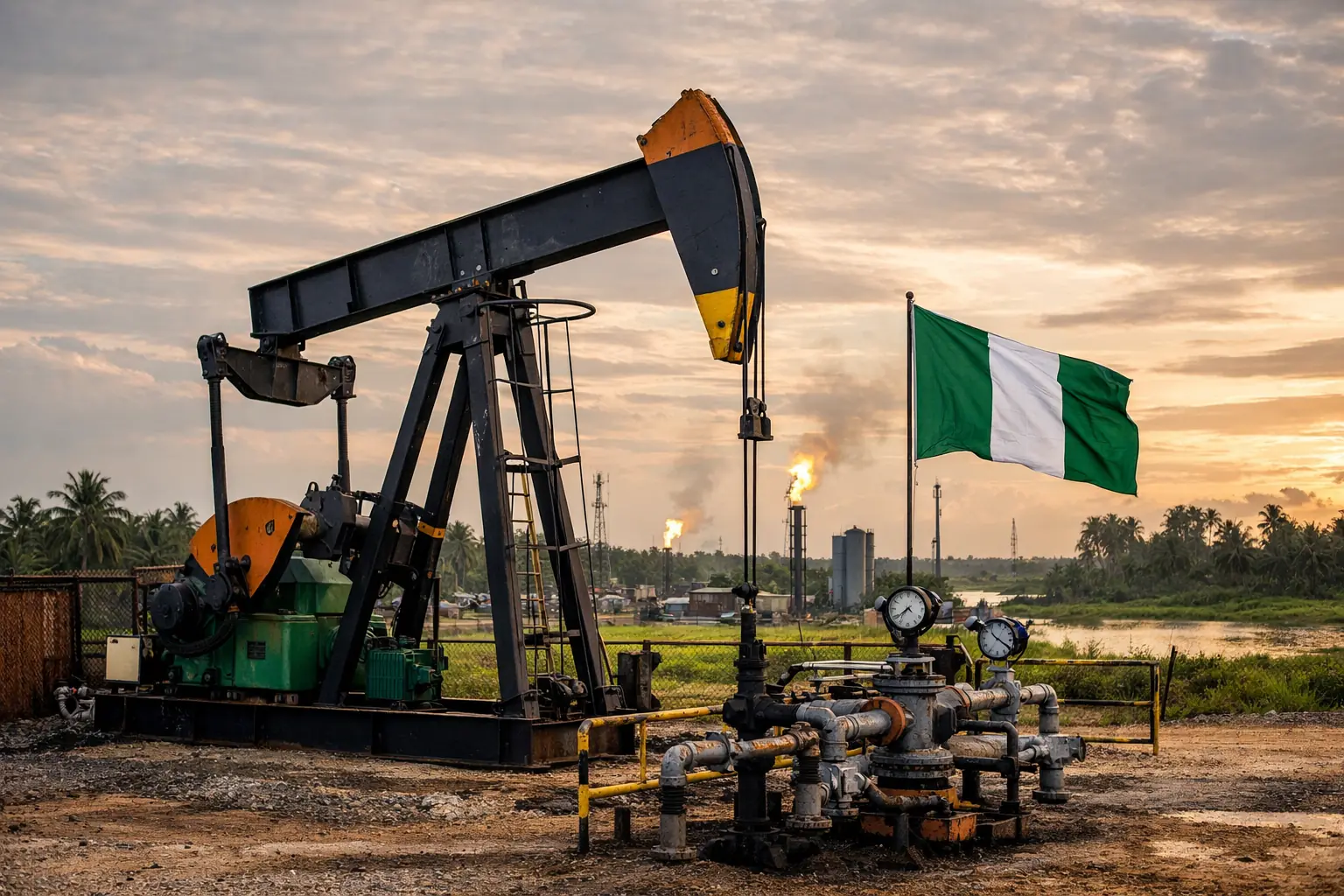
Nigeria’s gross gas production has increased to 7.63 billion standard cubic feet per day (bscf/d), up from approximately 6.83 billion standard cubic feet per day recorded in 2023, according to the Presidency.
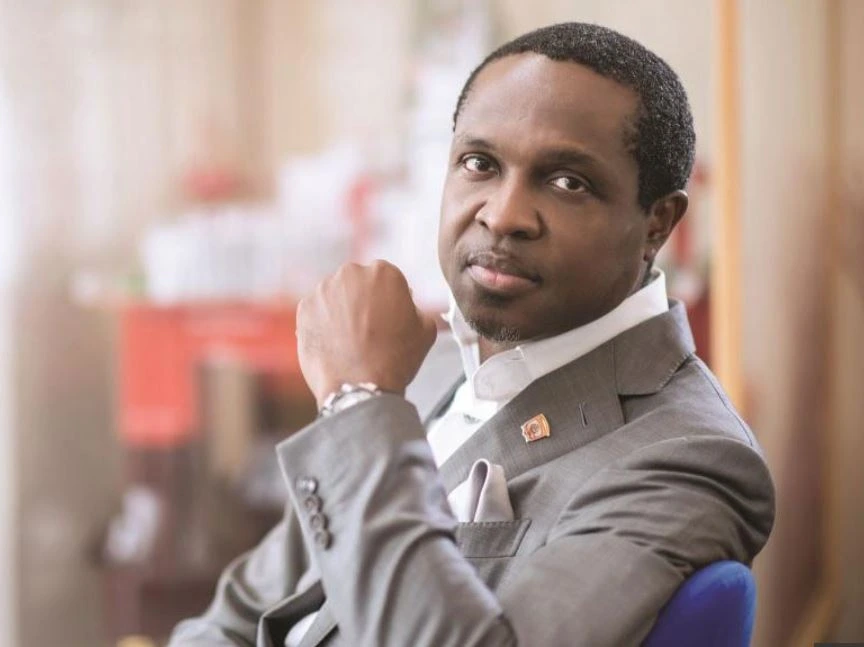
The Special Adviser to President Bola Ahmed Tinubu on Energy, Mrs. Olu Verheijen, disclosed this during the Nigerian-British Chamber of Commerce Energy Day 2026 held in Lagos.
According to a copy of her presentation made available on Tuesday, Nigeria’s proven gas reserves have also risen to more than 215 trillion cubic feet, reinforcing the country’s position as Africa’s largest gas reserve holder.
Verheijen attributed the increase in production to a series of presidential directives aimed at improving investment conditions in deep-water projects, non-associated gas developments, and midstream infrastructure.
She said reforms introduced by the administration have significantly reduced bureaucratic bottlenecks and improved the ease of doing business within the oil and gas sector.
According to her, contracting processes that previously required as much as 36 months have been shortened to approximately 14 months, with the government targeting a further reduction to six months.
“The market responded. Nigeria’s share of African upstream Final Investment Decisions rose from about four per cent in 2023 to roughly 40 per cent across 2024 and 2025,” she said.
Investments in Gas Sector
She added that approximately $10 billion in investments have already been committed to the sector, while a pipeline of potential investments estimated at about $500 billion remains under consideration.
Several previously stalled projects have also resumed, including the Bonga North, Ubeta and HI gas developments, alongside new non-associated gas projects expected to support long-term gas supply for domestic consumption and liquefied natural gas exports.
“When Nigeria improves the rules of the game, capital returns to the field,” Verheijen stated.
She noted that over $4 billion from international oil company divestments has been redirected toward deep-water and integrated gas developments.
Beyond increasing production, Verheijen said the administration views natural gas as a critical driver of industrialisation rather than merely a transition fuel.
According to her, gas remains central to electricity generation, fertiliser production, petrochemicals, clean cooking initiatives, compressed natural gas transportation, manufacturing, and LNG exports.
“The goal is not simply to produce more gas; it is to ensure Nigerian gas becomes Nigerian power, Nigerian products, Nigerian jobs and Nigerian exports,” she said.
She also highlighted ongoing efforts to restore financial stability within the gas-to-power value chain, which has long struggled with payment arrears, tariff distortions, and liquidity challenges.
Power Sector Debt Reduction
The Presidential Power Sector Debt Reduction Programme, she explained, was established to resolve these issues.
Under the programme, the Federal Executive Council approved a bond programme worth up to ₦4 trillion to settle verified debts owed to electricity generation and gas supply companies.
According to Verheijen, generation companies have already signed settlement agreements valued at approximately ₦2.28 trillion.
She disclosed that the first tranche of the programme, a ₦501 billion bond issuance, was oversubscribed, with payments to generation and gas companies currently underway.
A second bond issuance worth ₦729 billion is expected to complete the first phase of the debt settlement programme.
Verheijen emphasized that the initiative should not be viewed as a bailout, but rather as a strategic intervention aimed at restoring liquidity, rebuilding investor confidence, and encouraging fresh investments in the energy sector.