Global oil prices declined sharply on Monday while stock markets rallied after the announcement of a peace agreement between the United States and Iran, easing fears over disruptions to one of the world’s most critical energy transit routes.
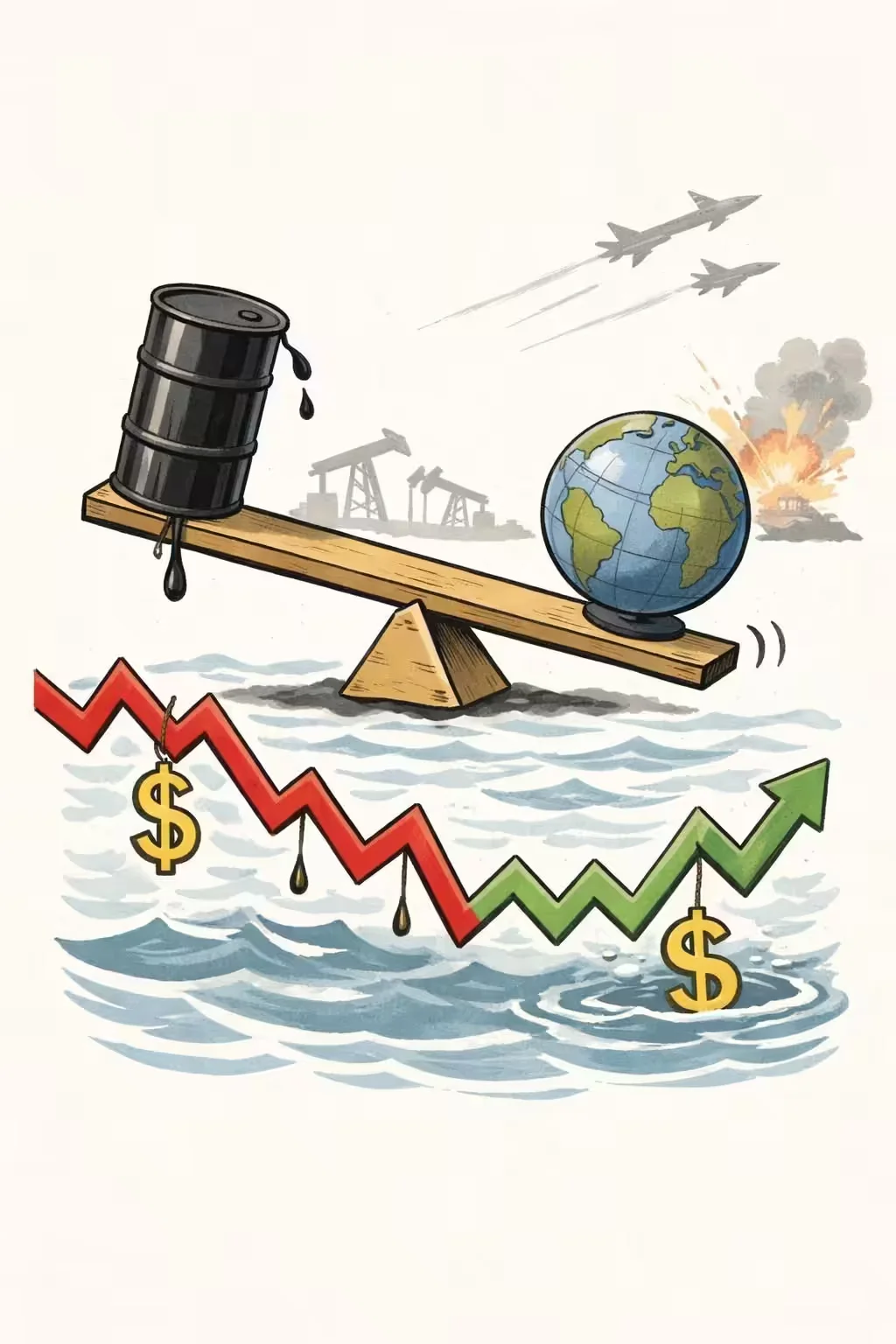
Brent crude, the international benchmark for oil prices, fell by about 4% to below $84 per barrel as investors welcomed signs that the Strait of Hormuz could soon reopen to commercial shipping following months of conflict and supply disruptions.
The development comes after U.S. President Donald Trump announced that a peace deal with Iran was effectively complete, raising expectations that Gulf oil exports could soon return to global markets.
New Peace Deal
In a social media post, Trump declared that he had authorized the reopening of the Strait of Hormuz and the removal of the U.S. naval blockade, urging ships to resume operations. He later clarified that the waterway would formally reopen after the peace agreement is signed later this week.
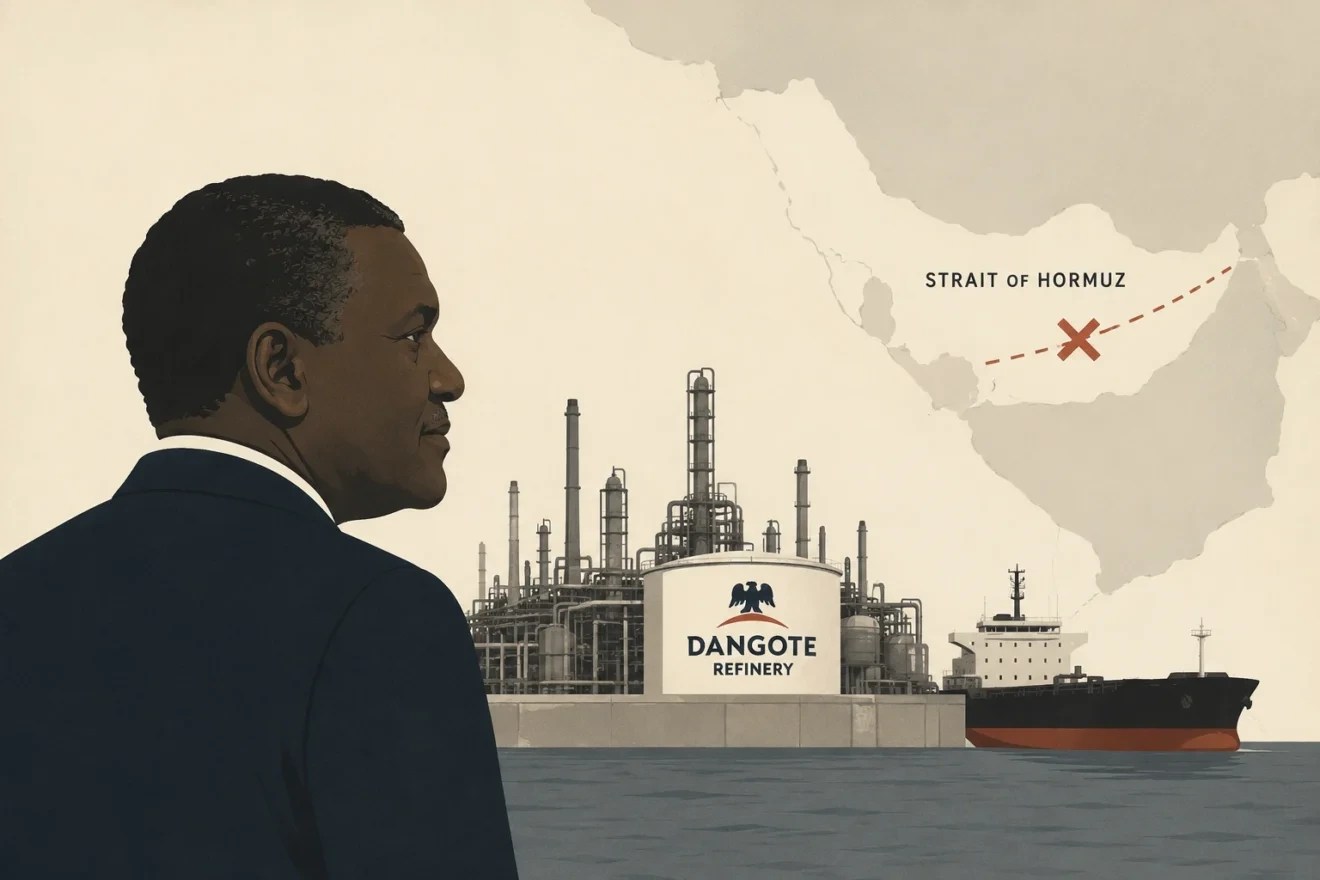
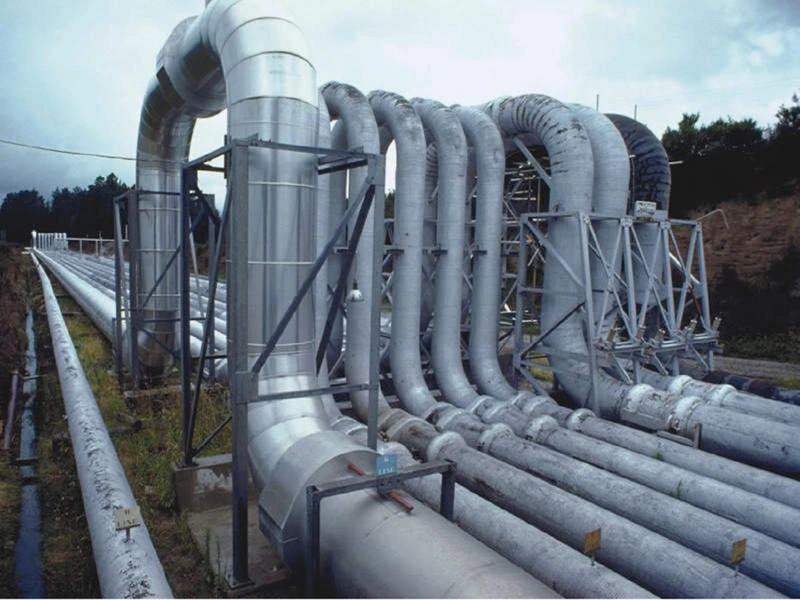
The Strait of Hormuz is one of the world’s most important oil chokepoints, handling roughly a fifth of global oil supplies. Its closure earlier this year triggered a major energy supply crisis, removing an estimated 20 million barrels of oil per day from the global market.
The prospect of restored shipments prompted a broad market rally. Europe’s major stock indices posted gains, with London’s FTSE 100 rising 0.8 percent while Germany’s DAX and France’s CAC 40 advanced about 1.8 percent each. Asian markets also surged, led by Japan’s Nikkei and South Korea’s Kospi, which both climbed approximately 5%.
Oil prices had already begun retreating last week after Trump indicated progress in negotiations with Tehran. Brent crude dropped from around $93 per barrel on Thursday to close at $87.50 on Friday before extending losses at the start of the new trading week.

Despite the optimism, uncertainties remain over the implementation of the agreement. Iranian officials have indicated that a 60-day negotiation period will follow to address broader issues, including sanctions relief and Tehran’s nuclear programme.
The peace agreement is expected to be formally signed in Switzerland later this week, a development that could mark a turning point for global energy markets after months of volatility.