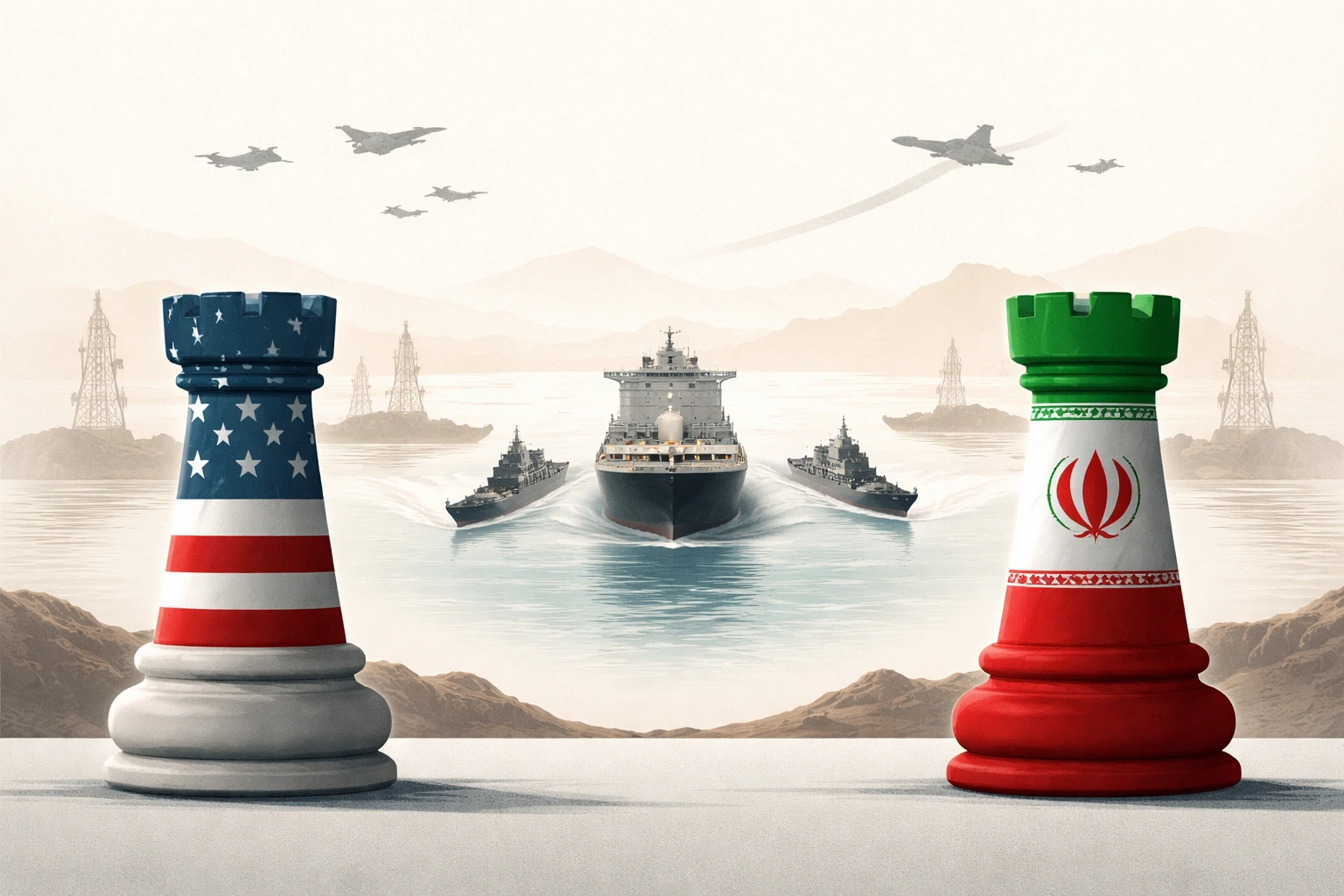
Iranian state television on Wednesday broadcast details of a proposed agreement aimed at extending Iran’s ceasefire with the United States and reopening the strategically critical Strait of Hormuz, raising expectations of a potential breakthrough in efforts to end months of conflict and stabilise global energy markets.
According to the report, the proposed framework would extend the fragile April 8 ceasefire between Iran and the US by an additional 60 days while negotiations continue over Tehran’s nuclear programme and broader sanctions relief.
Under the draft arrangement, Iran would gradually restore shipping through the Strait of Hormuz to prewar levels within one month if a memorandum of understanding is finalised. In exchange, the United States would ease restrictions on Iranian ports and begin phased sanctions relief tied to progress in negotiations.
The Strait of Hormuz, which handles roughly one-fifth of global oil and gas shipments, has remained heavily disrupted since Iran drastically slowed maritime traffic following the outbreak of war involving the US and Israel on February 28.
Oil markets reacted positively to signs of diplomatic progress, with Brent crude, the international benchmark falling nearly five per cent to about $95 per barrel on Wednesday after days of volatile trading driven by conflicting reports surrounding the negotiations.
However, uncertainty remains over the status of the proposed agreement after Iranian state television later removed references to the report from its social media platforms without explanation.
US President Donald Trump has repeatedly indicated that Washington and Tehran are nearing an agreement, though he recently cautioned negotiators against moving too quickly.
Speaking earlier this week, US Secretary of State Marco Rubio said discussions were continuing over the wording of the initial agreement.
“There is a lot of back and forth going on about specific language in the initial document, so it’ll take a few days,” Rubio said.
Iran’s Foreign Minister Abbas Araghchi and parliamentary speaker Mohammad Bagher Ghalibaf returned to Tehran after talks in Doha mediated by Qatari officials.
The negotiators are expected to brief Iran’s leadership, including Mojtaba Khamenei, who succeeded his father after the assassination that marked the first day of the conflict.
Leaked Details
Iranian media outlets close to the negotiations described the Doha discussions as constructive, with reports indicating that talks focused heavily on the release of approximately $24 billion in frozen Iranian assets held abroad.
Iran is reportedly seeking immediate access to half of the funds during the initial phase of any agreement.
The draft proposal would also launch formal negotiations over Iran’s nuclear programme, including discussions about Tehran’s stockpile of approximately 440 kilograms of highly enriched uranium.
According to reports, options under consideration include diluting the uranium stockpile or transferring it under international supervision.

President Trump has repeatedly insisted that Iran surrender what he described as its “nuclear dust,” warning that Tehran’s enriched uranium must either be handed over to the United States or destroyed under international monitoring.
The proposed deal would also temporarily suspend Iran’s plan to impose transit fees on vessels using the Strait of Hormuz during the 60-day ceasefire extension period.