Beta Glass Plc delivered a notable balance sheet improvement in the first quarter of 2026, growing total equity by 39.2% to ₦104.12 billion, even as profitability declined amid a challenging operating environment.
The results highlight a key investor signal: while earnings came under pressure, the company is strengthening its capital base—often a more durable indicator of long-term stability and growth capacity.
Equity Expansion Stands Out as Core Strength
Total equity rose sharply from ₦74.79 billion in Q1 2025 to ₦104.12 billion in Q1 2026, reflecting improved internal capital generation and a more resilient financial structure.
This expansion suggests that Beta Glass is:
Retaining earnings effectively
Managing liabilities more efficiently
Positioning for future investment and capacity growth
In capital-intensive manufacturing sectors such as glass production, a stronger equity base enhances the company’s ability to withstand volatility, fund expansion, and maintain investor confidence.
Revenue and Profitability Weaken Under Market Pressure
The improved balance sheet comes against softer operating performance:
Revenue declined 8.8% to ₦37.54 billion, down from ₦41.16 billion in Q1 2025
Profit Before Tax fell 21.9% to ₦11.89 billion
Profit After Tax dropped 21.5% to ₦7.85 billion
Earnings Per Share decreased to ₦13.08, from ₦16.66
The company attributed the revenue decline partly to normalisation in customer ordering patterns, following a prior period of stock build-up by key clients.
Operational Discipline Cushions Performance
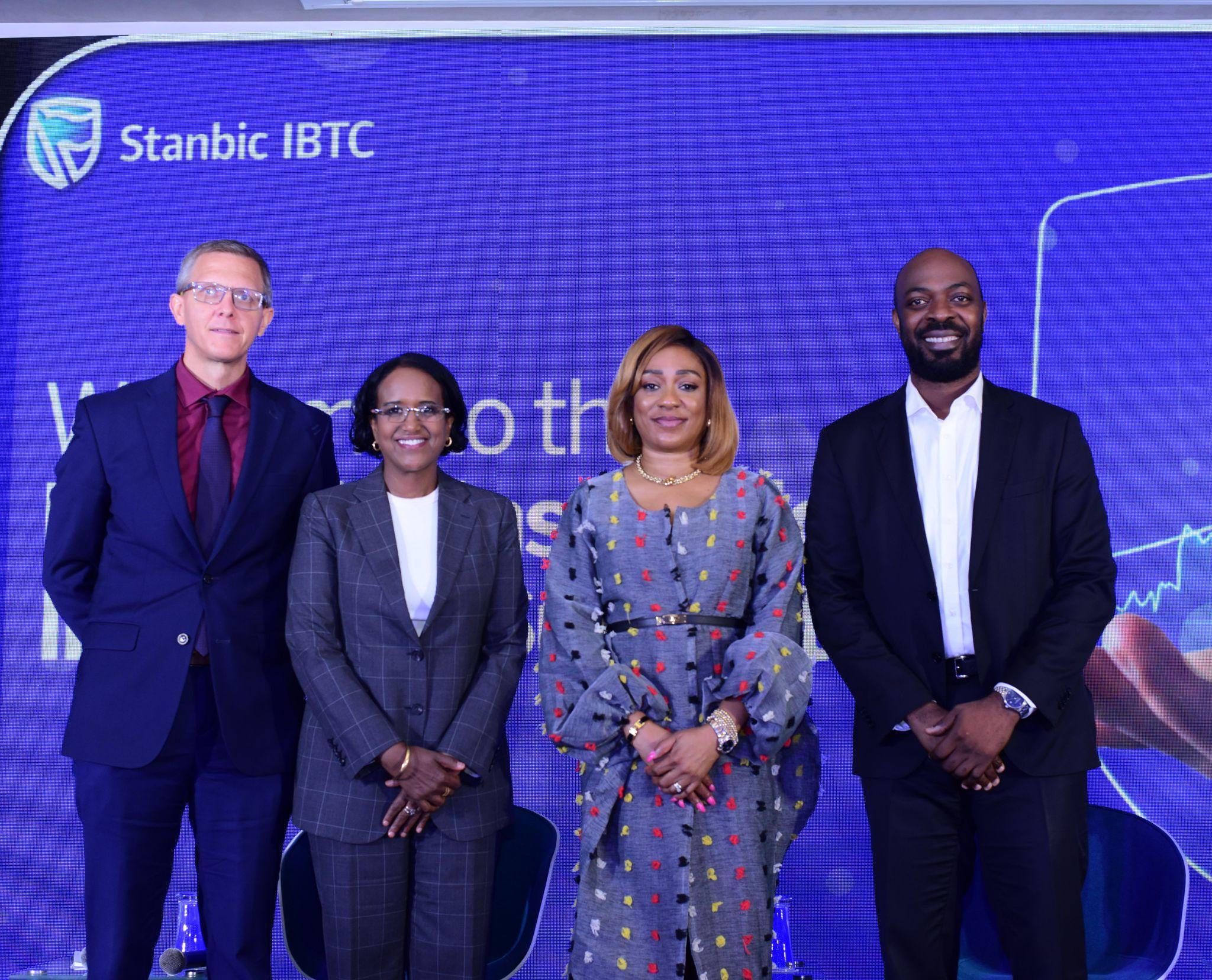
Despite the decline in top-line and earnings, Beta Glass maintained strong operational execution. According to CEO Alex Gendis, the company’s performance reflects:
Sustained manufacturing efficiency
Improved financing structure
Strong inventory and raw material planning
This operational discipline helped preserve profitability at a relatively high level, even as external pressures—such as cost inflation and supply chain uncertainty—persisted.
Investor Interpretation: Balance Sheet vs Earnings Cycle
The divergence between declining profits and rising equity is significant.
For investors, this suggests:
The current earnings dip may be cyclical rather than structural
The company is prioritising long-term financial strength over short-term profit maximisation
Beta Glass retains capacity to rebound quickly when demand conditions improve
In effect, the company is trading near-term earnings compression for stronger long-term positioning—a strategy often rewarded in industrial sectors with volatile demand cycles.
Outlook: Positioned for Recovery
Management remains focused on:

Deepening customer partnerships
Driving operational efficiency
Ensuring supply continuity in a volatile global environment
With a reinforced balance sheet and disciplined operations, Beta Glass appears well-positioned to navigate current headwinds and capture upside when market conditions stabilise.