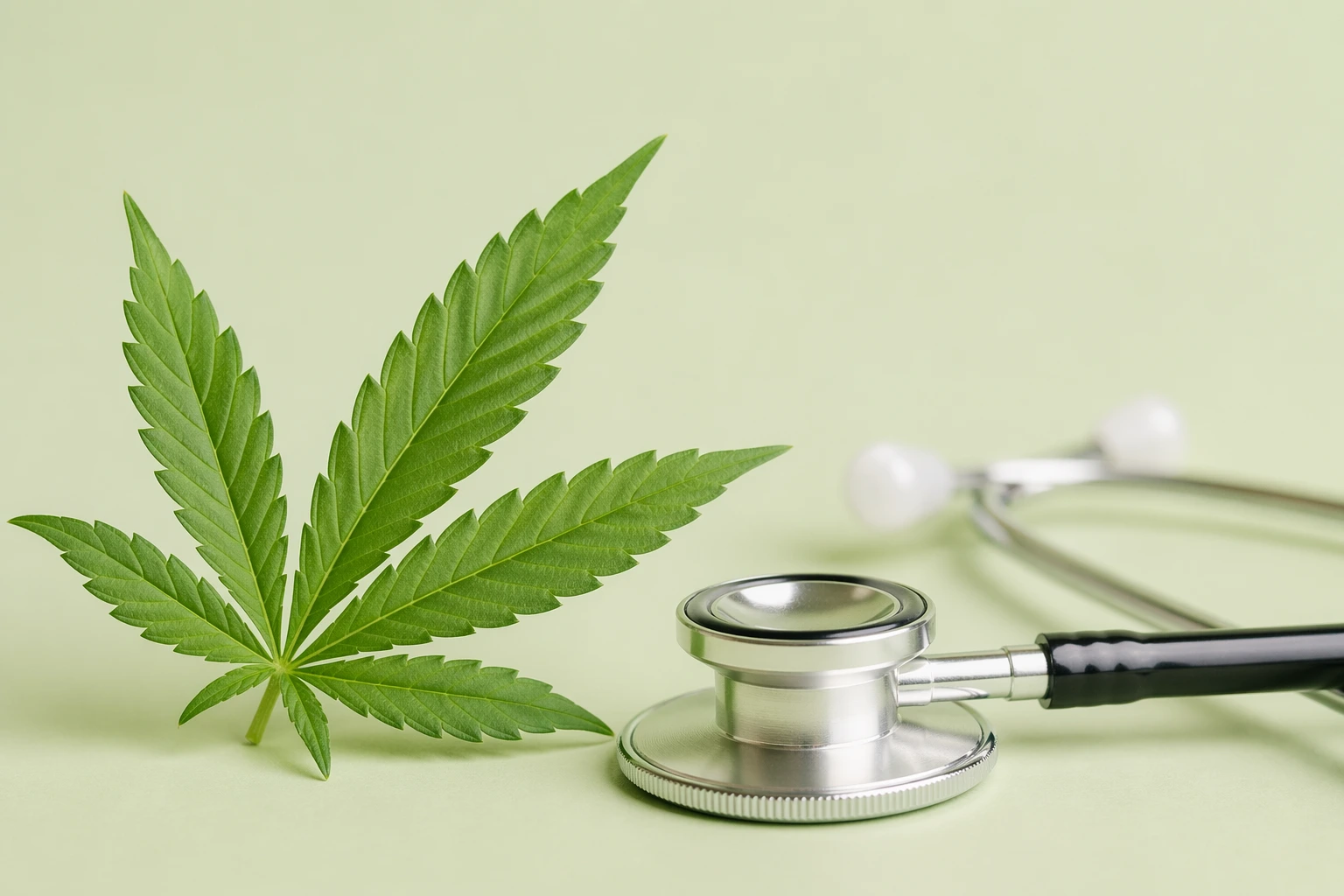
The administration of Donald Trump has approved a significant shift in federal drug policy, reclassifying state-licensed medical marijuana as a less dangerous substance under US law.
The move, signed by acting Attorney General Todd Blanche, changes the classification of medical cannabis from Schedule I to Schedule III, marking one of the most consequential federal cannabis policy changes in decades.
What the Reclassification Means
The decision does not legalize marijuana at the federal level. However, it substantially alters its regulatory framework:
- Medical marijuana is no longer grouped with substances like heroin under Schedule I
- It is now categorised alongside drugs with moderate to low dependence risk
- State-licensed operators gain access to federal tax deductions
- Researchers face fewer restrictions in studying cannabis
The policy also establishes a streamlined system for licensed producers and distributors to register with the Drug Enforcement Administration.
Boost for Research and Industry
Officials say the shift will accelerate scientific research into cannabis and expand treatment options for patients.
“This rescheduling action allows for research on the safety and efficacy of this substance,” Blanche said, noting that the change could improve clinical understanding and patient outcomes.
The move aligns with longstanding advocacy efforts to recognize cannabis as having legitimate medical use.
Broad Impact Across States
The decision effectively legitimizes medical marijuana frameworks already operating across much of the United States:
- Around 40 states have established medical marijuana programs
- More than 20 states permit recreational use
- Only a handful of states maintain full prohibitions
The federal government has historically maintained strict prohibition, even as states expanded access over the past three decades.
Mixed Reactions
Industry stakeholders welcomed the decision. Michael Bronstein of the American Trade Association for Cannabis and Hemp described it as the most significant federal cannabis policy advancement in over 50 years.
Critics, however, argue the move could send conflicting public health signals. Kevin Sabet of Smart Approaches to Marijuana warned that the decision amounts to “a tax break to Big Weed” and could downplay the risks associated with cannabis use.
The reclassification builds on earlier efforts under previous administrations to review marijuana’s legal status. It also leverages federal authority tied to international treaty obligations, allowing the attorney general to bypass a lengthy administrative review process.
Despite the shift, marijuana not distributed through state-licensed medical systems remains classified as a Schedule I substance.
What Comes Next
The administration has indicated that broader reclassification efforts are underway, with formal hearings expected to begin in June.

While the move stops short of full legalization, it signals a clear recalibration of federal cannabis policy, reflecting evolving public opinion and expanding state-level adoption.
For now, the change is expected to reshape the regulatory, financial, and research landscape for medical marijuana in the United States.