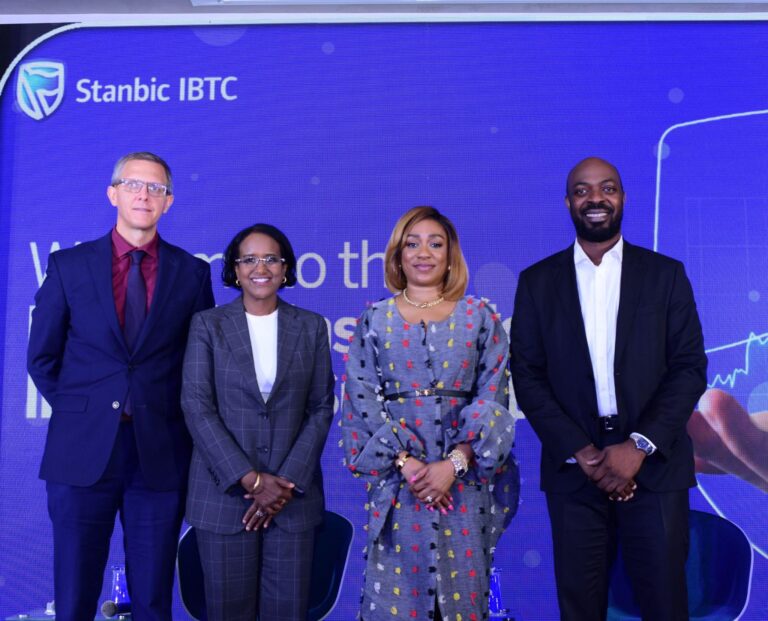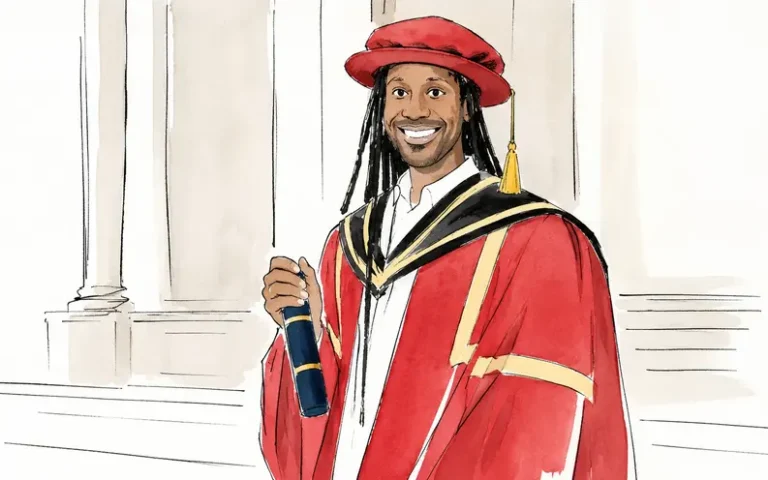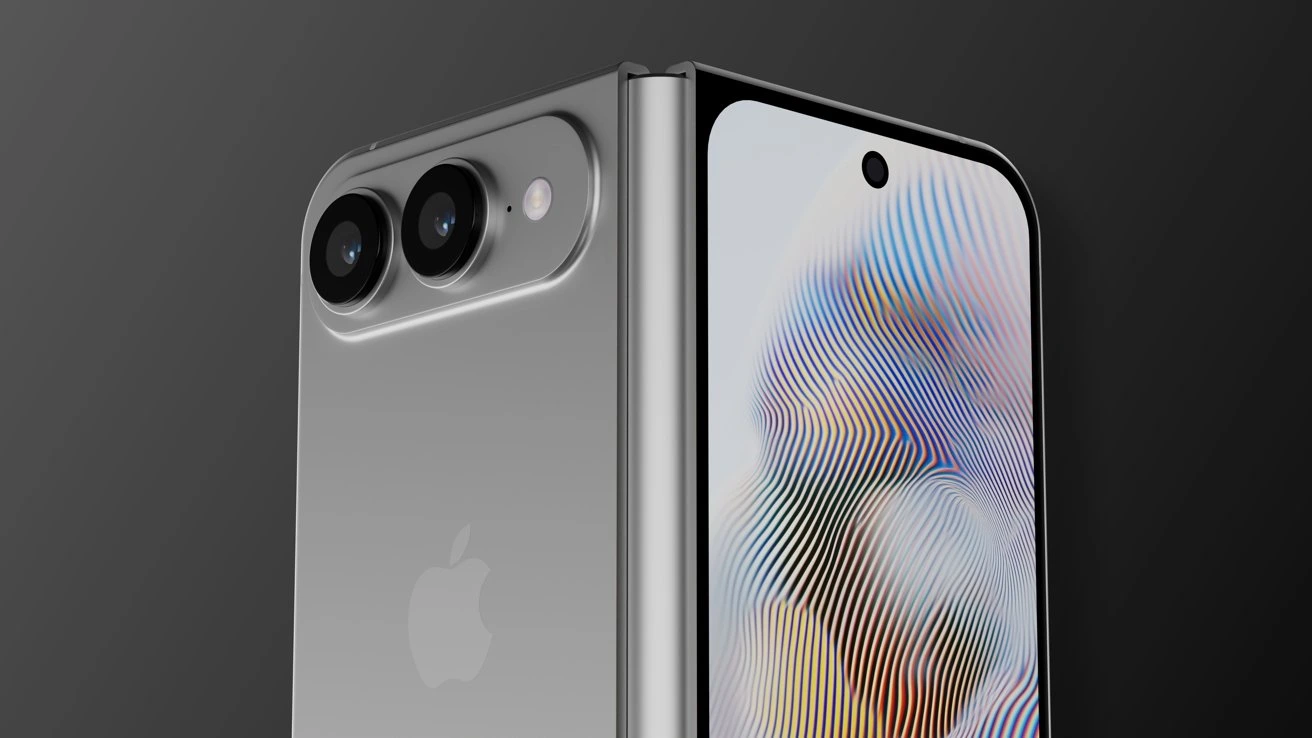
Apple Inc. has named John Ternus as its next chief executive officer, with Tim Cook set to transition into the role of executive chairman on September 1, 2026.
The announcement, made Monday, formalises what many within the industry had anticipated: a carefully managed succession plan designed to preserve Apple’s operational discipline while subtly reweighting its strategic centre of gravity toward product engineering.
Managed Transition
Cook will remain CEO through the summer, working closely with Ternus to orchestrate a seamless transition. In governance terms, this is less a handover than a reconfiguration.
Ternus will join Apple’s board upon assuming the role, while Arthur Levinson, the current non-executive chairman, will step into the position of lead independent director — a move that strengthens board oversight even as Cook consolidates influence at the chairman level.
This layered transition reflects Apple’s longstanding preference for institutional continuity over executive disruption.
John Ternus
Ternus is not a charismatic outsider nor a financial engineer parachuted in to reset strategy. He is a product man — deeply embedded in Apple’s hardware ecosystem, having overseen engineering across the iPhone, Mac, and iPad lines.
His elevation signals a subtle but important shift:
Apple is placing engineering judgement at the apex of corporate decision-making at a time when:
Hardware differentiation is tightening
AI-native devices are emerging as a new frontier
Supply chain complexity remains structurally elevated
In effect, Apple is betting that its next phase of growth will be defined less by financial optimisation — Cook’s forte and more by product reinvention cycles.
Tim Cook’s Achievements
Cook’s move to executive chairman is not a retirement gesture. It is a repositioning.
Since succeeding Steve Jobs in 2011, Cook has:
Tripled Apple’s revenue base
Orchestrated its expansion into services and wearables
Overseen its rise to a multi-trillion-dollar valuation
As chairman, he retains strategic influence particularly over capital allocation, ecosystem expansion, and geopolitical navigation — while stepping away from operational intensity.
In corporate governance terms, this creates a dual-power structure:
Ternus: operational and product execution
Cook: strategic continuity and capital discipline
By also moving Levinson into a lead independent director role, Apple is aligning with evolving governance norms that demand stronger independent oversight, particularly in companies where former CEOs retain chairman roles.
Apple’s move reflects a broader Big Tech pattern:

the transition from founder-era or operator-era leadership to systems-driven, engineering-led governance models.
Ternus represents that system — internally cultivated, product-centric, and operationally fluent.