Amazon is reportedly in advanced negotiations to acquire satellite communications firm Globalstar in a deal valued at approximately $9 billion, a move that could significantly intensify competition in Africa’s fast-growing satellite broadband market.
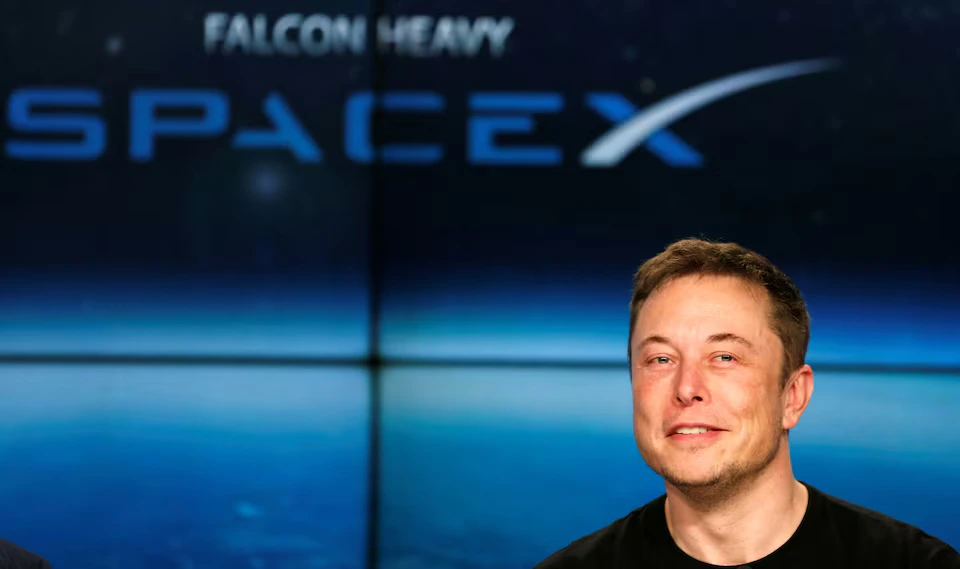
The potential acquisition is widely seen as a direct challenge to SpaceX’s Starlink service, currently the dominant low-Earth orbit (LEO) satellite internet provider globally and across several African markets.
Race for Africa’s Connectivity Market
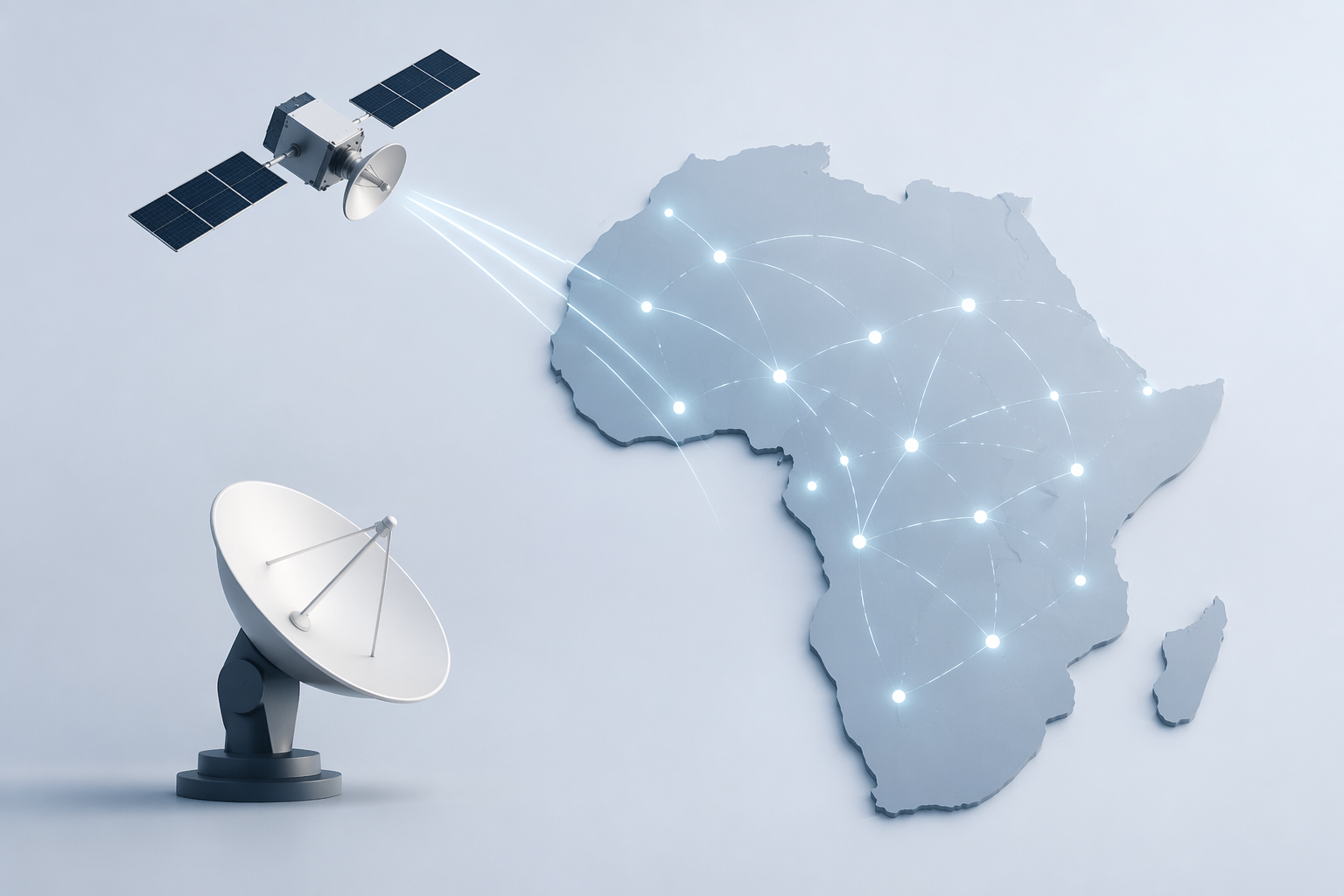
If completed, the deal would bolster Amazon’s Project Kuiper, its satellite internet initiative aimed at delivering high-speed, low-latency broadband to underserved and remote regions.
While Amazon has begun deploying Kuiper satellites, it remains far behind Starlink in scale. Starlink, led by Elon Musk, operates more than 7,000 satellites, compared to just over 180 satellites currently in orbit under Project Kuiper.
Starlink already provides services in key African markets including Nigeria, Kenya, Rwanda, and Mozambique, where demand for reliable internet connectivity continues to surge.
Strategic Importance of Globalstar
Globalstar’s appeal lies in its existing satellite infrastructure and spectrum rights, as well as its footprint in countries such as South Africa, Rwanda, Mozambique, and Gabon.
Industry analysts say this presence could give Amazon a faster regulatory pathway into African markets, where licensing and approvals have slowed competitors.
The negotiations are reportedly focused on structuring the deal around these spectrum assets and infrastructure, although discussions remain complex and are yet to be finalised.
Apple’s Stake Complicates Deal
One of the key hurdles is Apple Inc.’s roughly 20% stake in Globalstar, which adds another layer of negotiation to the transaction.
Neither Amazon nor Globalstar has officially confirmed the talks, with a company executive declining to comment on what was described as market speculation.t
The move underscores a broader battle between tech billionaires Jeff Bezos and Elon Musk, whose companies are racing to dominate the future of global internet infrastructure through satellite constellations.
Despite its early lead, Starlink still faces regulatory challenges in several African countries, creating an opening for Amazon to expand its footprint more aggressively.

Implications for Africa
For Africa, the competition could be transformative. Satellite broadband is increasingly critical for:
- Rural and remote connectivity
- Mining and industrial operations
- Digital financial services
- Education and telemedicine
With terrestrial infrastructure still limited in many regions, intensified competition between Kuiper and Starlink could drive lower costs, wider coverage, and faster deployment across the continent.