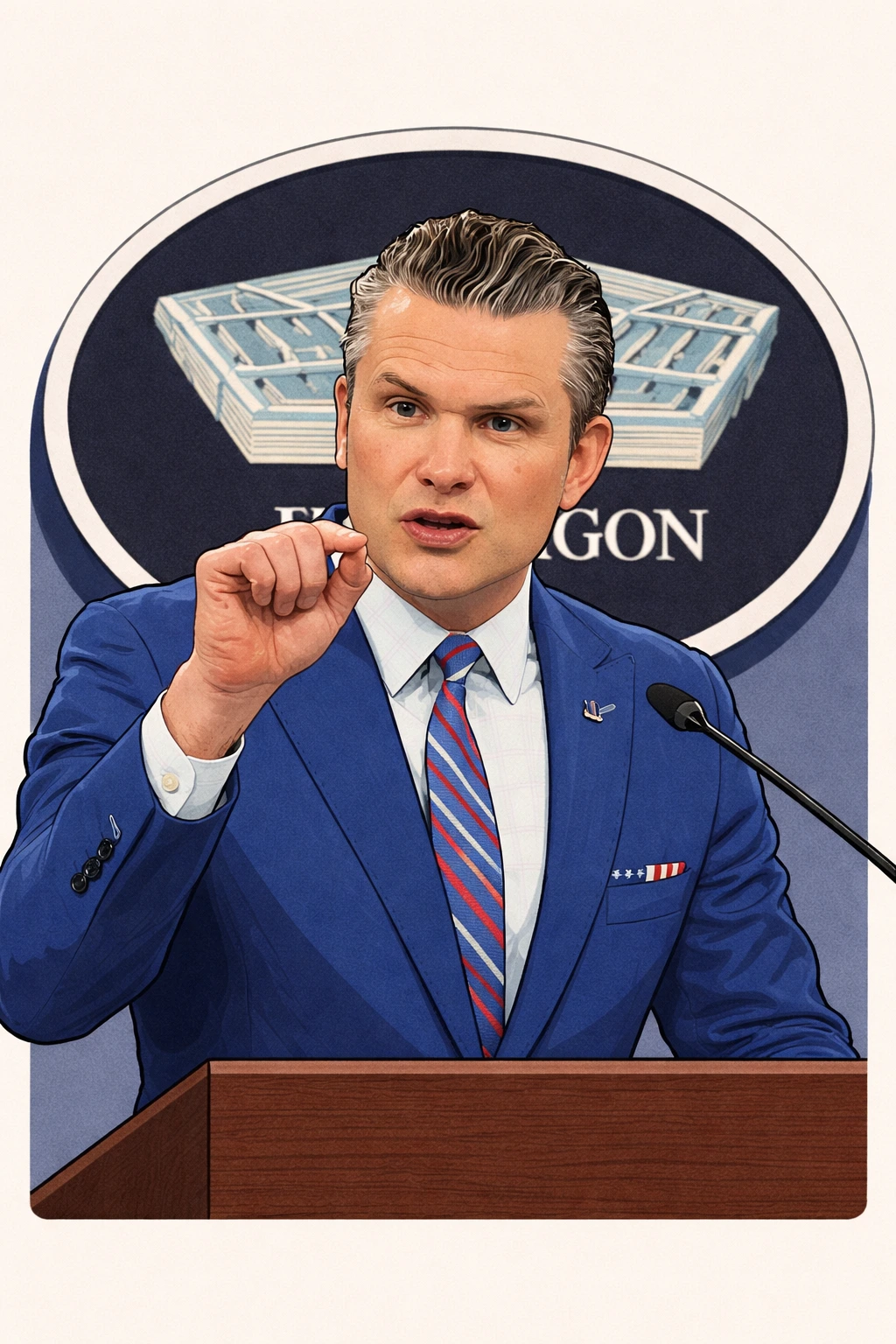
The United States says negotiations with Iran are “gaining momentum,”. Meanwhile, the conflict between both sides intensifies dramatically on the battlefield.
Speaking at the Pentagon, Defence Secretary Pete Hegseth described ongoing diplomatic efforts as progressing, signaling cautious optimism that a deal could emerge. However, these talks are unfolding alongside a sharp escalation in military activity. This reality underscores the complex U.S. strategy of negotiating under pressure.
Overnight, U.S. forces launched more than 200 dynamic strikes targeting Iranian military infrastructure, including one of its key nuclear sites. This marks one of the most significant waves of attacks in the ongoing campaign. In response, Iran struck a fully loaded Kuwaiti oil tanker in the Persian Gulf. This demonstrates that it retains the capacity to retaliate despite weeks of sustained U.S.-Israeli bombardment.
Hegseth acknowledged this reality, noting that Iran is still capable of launching counterattacks. “They will shoot some missiles; we will shoot them down,” he said, while maintaining that Iranian military capabilities have been significantly degraded. He declined to specify whether newly deployed U.S. Marines and Army paratroopers could be used in ground operations. In addition, he emphasized that Washington would not telegraph its next moves.

The escalating exchange has also heightened concerns over the Strait of Hormuz, a vital route for global oil shipments that Iran has effectively disrupted. The U.S. says it is taking steps to reopen the waterway, though details remain undisclosed. Furthermore, Hegseth criticized allies, including a veiled reference to the United Kingdom, for not contributing enough to securing the passage.
Despite Washington’s claims of progress, Iranian officials have publicly downplayed the existence of meaningful negotiations, suggesting that diplomacy remains fragile and indirect, likely conducted through intermediaries rather than formal channels.