QatarEnergy on Tuesday declared force majeure on some of its affected long-term LNG supply contracts, with counterparties including customers in Italy, Belgium, South Korea, and China.
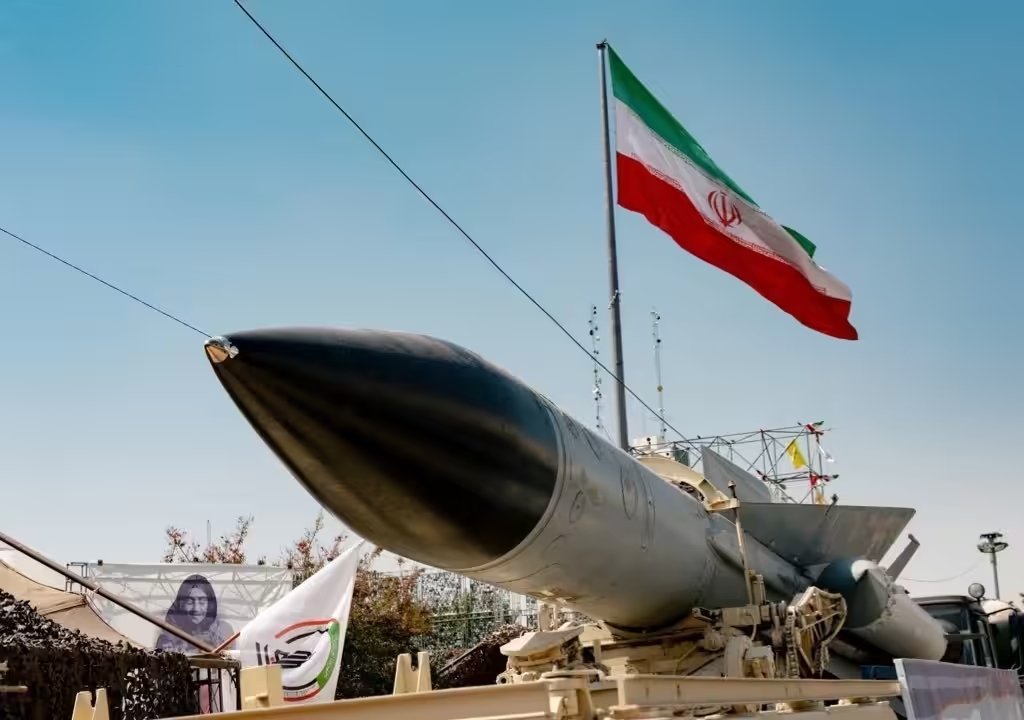
The move is a result of attacks on Qatar’s Ras Laffan LNG complex linked to the broader regional conflict. Iranian missile strikes earlier this month damaged two LNG production trains and other facilities, cutting about 17% of Qatar’s export capacity and forcing a halt to some LNG output.
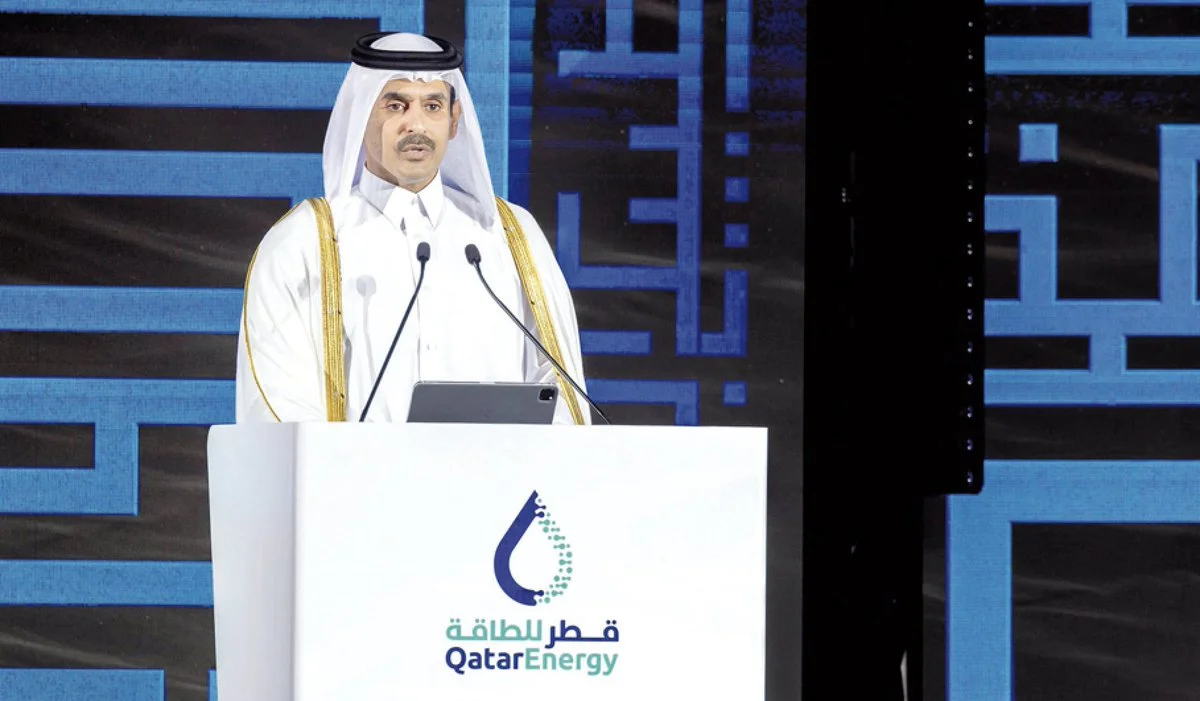
QatarEnergy’s CEO and Energy Minister, Saad al‑Kaabi, has described the damage as severe, with repairs expected to take between three and five years. (Reuters)
Those outages have left Qatar unable to meet its long‑term delivery commitments under existing sale and purchase agreements (SPAs) — particularly those involving fixed volumes and delivery terms to customers in Europe and Asia.
Affected Agreements
A “force majeure” declaration legally allows the company to suspend performance of contractual obligations without penalty when circumstances outside its control make delivery impossible or impractical. In this case, the trigger was damage to key production infrastructure at Qatar’s massive LNG export hub.
Long‑term agreements most exposed include:
• Contracts with Italian energy companies — including a 27‑year LNG SPA with Eni, under which QatarEnergy agreed to supply around 1 million tonnes per year of LNG.
• Supplies to Belgium, which often sees Qatari LNG unloaded at the Zeebrugge terminal under long‑term arrangements.
• Long‑term deliveries bound for South Korea, where Qatar historically has supplied a meaningful share of LNG imports.
• Contracts with Chinese counterparties that cover structured long‑term off‑take volumes from Qatar’s North Field.
Under force majeure, QatarEnergy can delay or suspend these deliveries without breaching contract terms while it works to restore production capacity.
What Next?
The situation remains highly fluid. QatarEnergy has not specified exactly how long force majeure will apply for each contract, but industry commentary suggests the disruption could span multiple years given the scope of damage and ongoing geopolitical uncertainty.
Suppliers and buyers alike are watching closely for further guidance as well as opportunities to re‑route cargoes via spot markets or alternative producers.